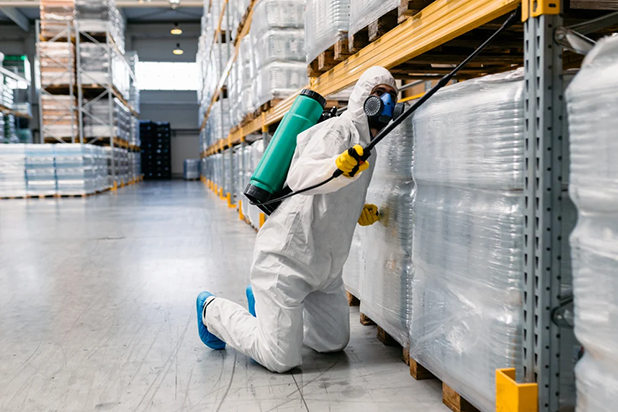
Maintaining cleanliness and safety in food manufacturing facilities is critical for protecting consumers, complying with regulations, and safeguarding brand reputation. Pests such as rodents, cockroaches, flies, and stored-product insects pose serious threats to the production process. Even a minor infestation can result in contaminated food, production downtime, or costly recalls. Therefore, a proactive approach to pest management is essential to ensure the highest standards of hygiene and operational efficiency.
Implementing professional food manufacturing pest control is key to mitigating these risks. A strategic pest management plan not only addresses current infestations but also focuses on prevention, monitoring, and early detection. This approach ensures that food production remains safe, compliant, and free from pest-related disruptions.
The Risks Posed by Pests in Food Manufacturing
Pests in food production environments are more than an annoyance—they are a serious threat to public health and operational stability. Rodents can chew through packaging and wiring, contaminate raw materials with urine or droppings, and transmit dangerous pathogens. Cockroaches spread bacteria and allergens while thriving in dark and moist corners. Flies, drawn to waste or food residues, can transport harmful microorganisms directly onto production surfaces or finished goods. Additionally, stored-product pests like moths, beetles, and weevils can infest raw ingredients and packaged products, leading to financial losses and reputational damage.
The consequences of pest infestations extend beyond health risks. They can disrupt production schedules, compromise equipment, and trigger regulatory fines or recalls. Recognizing these dangers underlines the importance of an effective pest control strategy tailored to the unique challenges of food manufacturing facilities.
Implementing Preventive Measures
Prevention is the foundation of any successful pest control strategy. Food manufacturers should implement a layered approach to minimize risks:
-
Sanitation and Cleanliness: Regular cleaning of production floors, storage areas, and waste disposal points removes food residues and moisture that attract pests. Immediate cleaning of spills and proper waste disposal is essential.
-
Structural Maintenance: Sealing cracks, repairing leaks, and installing barriers such as door sweeps and screens prevent pests from entering production areas.
-
Proper Storage Practices: Storing raw ingredients and finished products in sealed containers, maintaining correct temperature and humidity, and regularly rotating stock help prevent infestations.
-
Waste Management: Efficient disposal systems and frequent removal of food waste reduce the risk of attracting flies and rodents.
Integrated Pest Management (IPM) Approach
An Integrated Pest Management (IPM) program is highly effective for food manufacturing environments. IPM emphasizes prevention, monitoring, and control with minimal reliance on chemicals. Its core elements include:
-
Regular Monitoring: Routine inspections and pest activity tracking help detect issues early and allow for timely interventions.
-
Biological Controls: Introducing natural predators or beneficial organisms can help manage certain pest populations without chemicals.
-
Mechanical and Physical Methods: Traps, barriers, and exclusion techniques protect production areas from infestations.
-
Targeted Chemical Treatments: When necessary, safe and approved pesticides are applied strategically to control persistent pests without compromising food safety.
IPM not only addresses current infestations but also builds a sustainable, long-term solution that protects the factory environment and product quality.
Employee Training and Awareness
Employees are the first line of defense against pest infestations. Staff should be trained to maintain cleanliness, report any signs of pests, and follow standard operating procedures for food handling and storage. Awareness programs highlighting the consequences of lapses—such as leaving food uncovered or ignoring spills—help foster a culture of accountability and vigilance throughout the facility.
Regulatory Compliance and Record Keeping
Food manufacturing facilities must comply with strict hygiene and safety regulations. Detailed records of pest control measures, inspections, and corrective actions are vital for audits and certifications. Documentation not only demonstrates compliance but also allows for trend analysis, evaluation of treatment effectiveness, and planning of future preventive measures.
Choosing the Right Pest Control Strategy
Effective pest control in food manufacturing requires a combination of professional expertise, preventive measures, and ongoing monitoring. Partnering with experts ensures that control methods are compliant with safety standards and tailored to the facility’s specific needs. The right strategy minimizes the risk of contamination, protects staff and consumers, and ensures uninterrupted production.
Conclusion
Pests in food manufacturing environments pose serious risks to food safety, operational efficiency, and brand reputation. Proactive food manufacturing pest control measures, including prevention, monitoring, and integrated management strategies, are essential to mitigate these risks.
By investing in structured pest management, facilities can maintain high standards of hygiene, protect product quality, and ensure regulatory compliance. Educating employees, monitoring pest activity, and employing sustainable control methods create a safe, efficient, and resilient production environment. In today’s competitive food industry, prioritizing pest control is not just a regulatory requirement—it is a critical business strategy for long-term success.