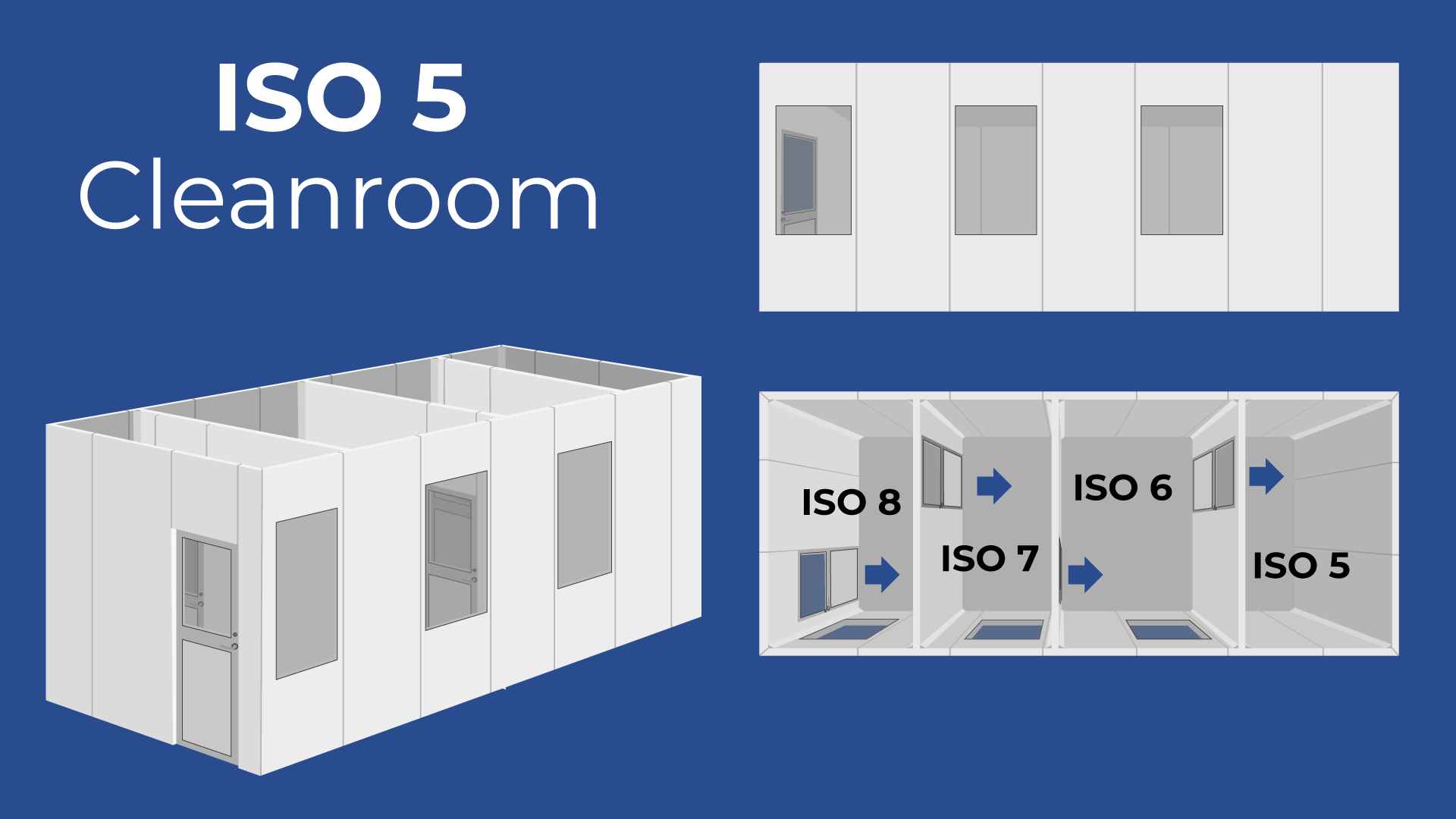
ISO Class 5 cleanrooms are critical controlled environments that provide extremely low levels of airborne particles and microbial contamination. These cleanrooms are widely used in industries such as pharmaceuticals, biotechnology, medical device manufacturing, and semiconductor production, where even minor contamination can compromise product quality, safety, and regulatory compliance. Maintaining ISO Class 5 conditions, however, presents a series of unique challenges due to the stringent cleanliness requirements and the complexity of the controlled environment.
Operating an ISO Class 5 Cleanroom requires strict adherence to particle count limits, airflow specifications, pressure differentials, and environmental parameters such as temperature and humidity. Even minor deviations can result in contamination risks or non-compliance with ISO 14644 standards. Understanding the common challenges associated with maintaining these conditions helps organizations develop effective strategies for operational control, continuous monitoring, and risk mitigation.
Table of Contents
ToggleParticle Contamination
One of the most significant challenges in ISO Class 5 cleanrooms is controlling particle contamination. Humans are the primary source of particles, shedding skin cells, hair, fibers, and respiratory droplets. Equipment, tools, and materials can also introduce particles if not properly cleaned or sterilized. Even the smallest particles can impact sensitive operations, such as aseptic pharmaceutical manufacturing or semiconductor fabrication.
Preventing particle contamination requires comprehensive measures, including proper gowning procedures, personnel training, and strict material handling protocols. Continuous air filtration, unidirectional airflow, and high-efficiency particulate air (HEPA) systems are essential, but they must be carefully maintained and monitored to ensure consistent performance.
Microbial Control
Maintaining microbial control in an ISO Class 5 cleanroom is another major challenge. Microorganisms can proliferate in environments with uncontrolled humidity or on surfaces that are not properly cleaned. Contamination from personnel, raw materials, or equipment can introduce bacteria, fungi, or viruses that compromise sterile processes and product safety.
Effective microbial control involves validated cleaning and disinfection protocols, regular environmental monitoring, and strict adherence to gowning and hygiene standards. Surfaces must be non-porous, easy to sanitize, and resistant to disinfectants to prevent microbial growth. Even with these measures, monitoring and testing are essential to detect and address contamination promptly.
Airflow and Pressure Management
Maintaining consistent airflow and pressure differentials is critical in ISO Class 5 cleanrooms, yet it can be difficult due to complex HVAC systems and the influence of personnel and equipment. Proper airflow ensures that airborne particles are continuously removed from critical areas, while pressure differentials prevent contamination from entering from adjacent spaces.
Challenges arise when airflow is disrupted by equipment placement, maintenance activities, or personnel movement. Regular validation, airflow mapping, and proper system maintenance are necessary to maintain the cleanroom’s performance. Minor malfunctions or blockages in HEPA filters or ducts can compromise the controlled environment, emphasizing the importance of preventative maintenance and real-time monitoring.
Material and Equipment Contamination
Materials and equipment introduced into ISO Class 5 cleanrooms are potential sources of contamination. Packaging, raw materials, tools, and machinery can carry particles or microbes if not properly sanitized before entry. The challenge lies in maintaining stringent protocols for decontamination, proper storage, and controlled transfer.
Cleanroom operators must establish procedures such as pass-through chambers, sterilization of critical items, and restricted material handling areas. Any lapses in these procedures can lead to contamination incidents that affect production quality and regulatory compliance.
Personnel Training and Compliance
Personnel are both a key asset and a potential risk in maintaining ISO Class 5 conditions. Improper behavior, incorrect gowning, or lack of awareness about cleanroom protocols can compromise cleanliness. Ensuring that all staff consistently follow procedures requires ongoing training, monitoring, and reinforcement.
Human factors, such as fatigue, rush, or improper movement, can generate particles or disrupt airflow, creating contamination risks. Implementing comprehensive training programs and monitoring compliance is essential to mitigate these challenges.
Cleaning and Maintenance Challenges
Cleaning ISO Class 5 cleanrooms is more complex than standard cleaning. Surfaces must be disinfected without generating additional particles or compromising equipment. Floors, ceilings, walls, and equipment require regular and validated cleaning schedules, which can be labor-intensive and time-consuming.
Maintenance of HVAC systems, HEPA filters, and cleanroom infrastructure must also be carefully managed. Any maintenance activity can introduce contamination if not properly planned, making coordination and procedural compliance critical to sustaining ISO Class 5 conditions.
Environmental Stability
Maintaining stable environmental parameters such as temperature and humidity is critical for both contamination control and process integrity. Fluctuations in temperature can affect airflow patterns, while changes in humidity may increase the risk of microbial growth or equipment malfunction. Achieving precise environmental control requires advanced monitoring systems and prompt corrective actions when deviations occur.
In conclusion, maintaining ISO Class 5 cleanroom conditions involves addressing a range of challenges related to particle control, microbial management, airflow, equipment, personnel, cleaning, and environmental stability. Overcoming these challenges requires comprehensive planning, validated protocols, ongoing training, and continuous monitoring. By understanding and mitigating these risks, organizations can ensure the integrity of their controlled environments, protect product quality, and maintain compliance with regulatory standards.