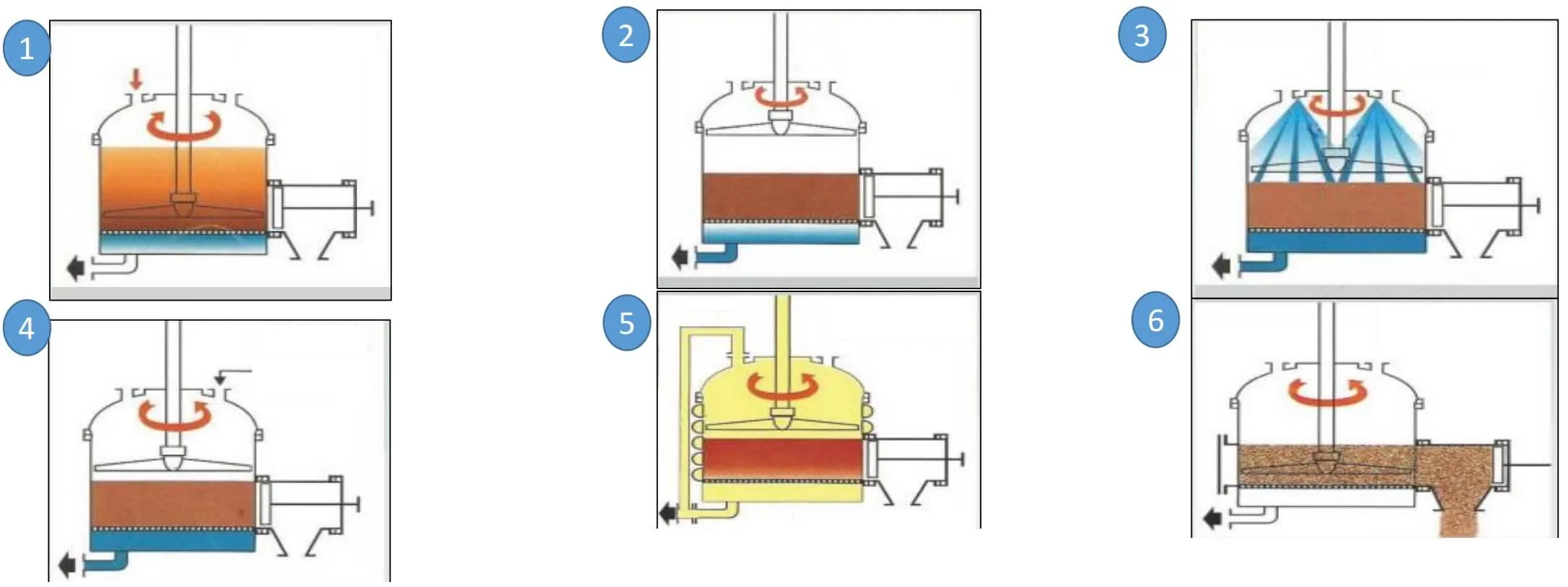
Agitated Nutsche Filters (ANFs) are critical equipment in chemical, pharmaceutical, and fine chemical industries, performing integrated filtration, washing, and drying in a single vessel. Their efficiency and reliability are closely tied to proper maintenance and cleaning procedures. Without regular care, ANFs can experience reduced performance, contamination, mechanical failures, or shortened service life. Establishing a comprehensive maintenance and cleaning regimen ensures optimal operation, product quality, and safety.
An Agitated Nutsche Filter consists of a vessel body, filter plate, mechanical agitator, vacuum and heating systems, and discharge mechanisms. Each component requires specific attention to maintain functionality and compliance with regulatory standards. For industrial-grade solutions and detailed specifications, you can explore this Agitated Nutsche Filter, widely used for its robust design and reliability in batch processing of chemicals and pharmaceuticals.
Table of Contents
ToggleRoutine Maintenance Procedures
Routine maintenance is essential for ensuring consistent performance and preventing unexpected downtime. Key maintenance activities include:
-
Inspection of the Agitator: The agitator is central to preventing cake formation and ensuring uniform drying. Inspect agitator blades, shafts, and bearings regularly for signs of wear, corrosion, or misalignment. Lubricate bearings as per manufacturer recommendations and replace worn components promptly to avoid mechanical failure.
-
Filter Plate and Media Check: The filter plate supports the filter media and must maintain integrity for efficient separation. Check for warping, cracks, or corrosion. Replace damaged filter media to ensure effective filtration and prevent solids from bypassing the plate.
-
Seal and Gasket Maintenance: Seals and gaskets maintain vacuum integrity and prevent leaks. Inspect all sealing surfaces regularly for wear, cracks, or chemical damage. Replace compromised seals immediately to maintain vacuum efficiency and prevent contamination.
-
Vacuum System Monitoring: The vacuum system accelerates filtration and drying. Inspect vacuum pumps, lines, and gauges to ensure proper operation. Clean or replace vacuum filters and check for leaks in the system. Maintaining optimal vacuum levels ensures consistent drying and reduces processing times.
-
Heating System Checks: Heating jackets and plates provide thermal energy for drying. Inspect for leaks, corrosion, or blockages in heating circuits. Verify temperature control sensors and safety mechanisms to ensure uniform heating without overheating the product.
Cleaning Procedures
Proper cleaning is vital to prevent contamination, especially in pharmaceutical and food processing applications. Cleaning procedures depend on the type of product, residues, and regulatory requirements. General cleaning steps include:
-
Pre-Cleaning: After discharging solids, remove loose particles using brushes or vacuum devices. Ensure that the agitator and vessel surfaces are free from residual solids to facilitate effective washing.
-
CIP (Clean-in-Place) Systems: Many ANFs are equipped with Clean-in-Place systems that allow automated washing without disassembly. Circulate cleaning solutions through the vessel and filter media, using appropriate detergents or solvents based on chemical compatibility. This process minimizes operator exposure and reduces cleaning time.
-
Manual Cleaning: For residues that cannot be removed by CIP, manual cleaning may be necessary. Use brushes, scrapers, and compatible cleaning agents to reach corners, agitator blades, and the filter plate. Take care to avoid damaging surfaces or filter media.
-
Rinsing and Sanitization: After cleaning, thoroughly rinse the vessel with water or solvent to remove residual cleaning agents. For pharmaceutical applications, sanitization using steam or validated chemical agents may be required to meet regulatory standards.
-
Drying the Equipment: Before the next batch, ensure that the vessel, filter plate, and agitator are completely dry. Residual moisture can affect product quality and promote corrosion. Vacuum-assisted drying or heated air circulation can be used to achieve complete dryness.
Safety Considerations
Maintenance and cleaning of Agitated Nutsche Filters must be conducted with safety in mind. Operators should wear appropriate personal protective equipment (PPE) such as gloves, goggles, and chemical-resistant clothing. Ensure that all electrical and mechanical systems are de-energized and locked out before starting maintenance. Proper ventilation and handling procedures must be followed when cleaning hazardous or reactive materials.
Documentation and Regulatory Compliance
Maintaining detailed records of maintenance and cleaning procedures is essential for regulatory compliance, particularly in pharmaceutical and food processing industries. Document all inspections, replacements, cleaning cycles, and sanitization procedures. These records help demonstrate adherence to Good Manufacturing Practices (GMP) and facilitate audits or quality assurance reviews.
Troubleshooting Common Issues
Despite regular maintenance, issues can arise in ANFs. Common problems include uneven cake formation, slow filtration, incomplete drying, or vacuum leaks. Inspect agitators for proper rotation, ensure filter media are intact, check vacuum integrity, and verify heating system performance. Prompt identification and resolution of issues prevent production delays and maintain product quality.
Conclusion
Regular maintenance and thorough cleaning are essential for the efficient and safe operation of Agitated Nutsche Filters. By inspecting critical components, maintaining seals and vacuum systems, and following proper cleaning protocols, operators can ensure optimal performance, prevent contamination, and extend equipment lifespan. Adhering to safety procedures and documenting all maintenance and cleaning activities further enhances reliability and regulatory compliance. Proper care of ANFs not only improves process efficiency but also ensures consistent, high-quality output in pharmaceutical and chemical production environments.