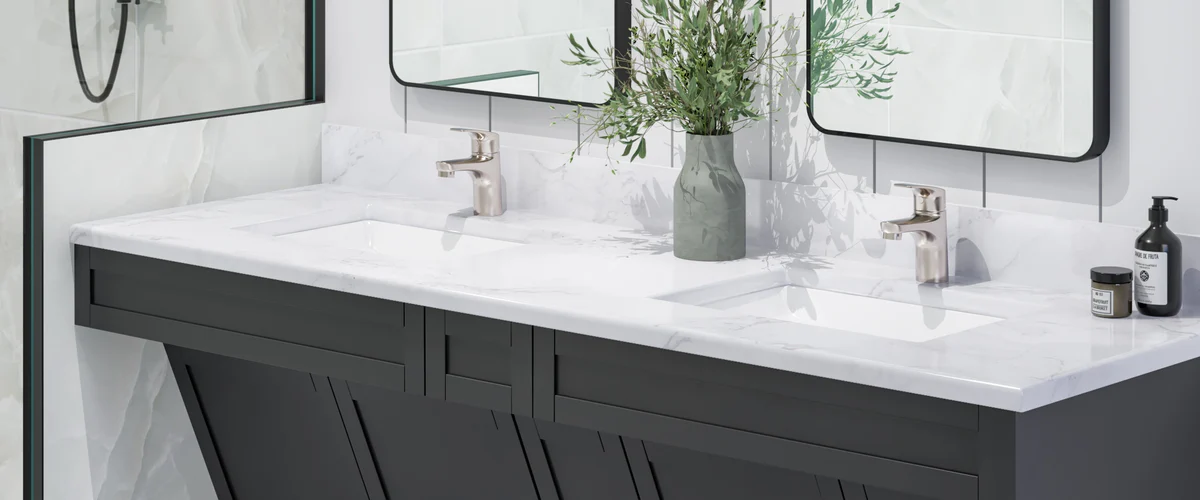
An ADA Bathroom Sink is a specially designed sink that complies with the standards set by the Americans with Disabilities Act (ADA). These sinks are created to ensure accessibility for individuals with disabilities, allowing them to use bathroom facilities safely and comfortably. The ADA sets specific requirements for height, clearance, and controls, making sure that public and commercial restrooms accommodate people with mobility challenges, including wheelchair users.
The primary goal of an ADA-compliant sink is to remove physical barriers in bathrooms. Unlike standard sinks, an ADA Bathroom Sink features clear space underneath to allow wheelchair users to approach and use the sink without obstruction. Additionally, the height of the sink is regulated so that individuals of varying statures and abilities can reach it easily. Faucets are also designed to be operable with minimal effort, often featuring lever handles, sensor activation, or push-type controls. You can learn more about ADA-compliant options by exploring ADA Bathroom Sink solutions, which offer a variety of designs suitable for both commercial and residential settings.
Key Features of an ADA Bathroom Sink
There are several characteristics that distinguish an ADA Bathroom Sink from a standard bathroom sink. First, the height is critical; the sink’s rim or counter surface should typically be no higher than 34 inches from the floor to accommodate seated users. Second, there must be sufficient knee clearance underneath the sink, usually a minimum of 27 inches in height, 30 inches in width, and 19 inches in depth. This space ensures that wheelchair users can pull up close enough to use the sink comfortably.
Another essential feature is the faucet design. Lever-style faucets or touchless sensors are preferred because they require little to no hand strength or fine motor skills. Additionally, the sink should have easily reachable controls, positioned no more than 48 inches above the floor. The plumbing underneath the sink should also be insulated or otherwise configured to prevent burns or injuries from contact with exposed pipes. These specifications are not just guidelines—they are legally mandated for public facilities and strongly recommended for private spaces where accessibility is a priority.
Who Needs an ADA Bathroom Sink?
An ADA Bathroom Sink is primarily intended for individuals with mobility impairments, including those who use wheelchairs, walkers, or other assistive devices. However, the benefits of these sinks extend beyond those with permanent disabilities. Seniors, people recovering from surgery or injury, and even parents assisting young children can find these sinks more convenient and user-friendly. By ensuring easier access and safer operation, ADA sinks improve the overall usability of a bathroom for anyone with temporary or long-term mobility challenges.
Public facilities such as restaurants, schools, hospitals, and government buildings are required by law to install ADA-compliant sinks in accessible restrooms. Residential homeowners may also choose to install these sinks to future-proof their homes or accommodate aging family members. By integrating accessibility features early, homeowners can avoid costly retrofits and enhance the inclusivity of their living spaces.
Benefits of Installing an ADA Bathroom Sink
The benefits of an ADA Bathroom Sink go beyond legal compliance. One of the most significant advantages is safety. With properly designed height and clearance, users are less likely to bump into fixtures or strain themselves while washing hands. Touchless or lever-operated faucets reduce the need for twisting or gripping, minimizing the risk of injury, especially for those with arthritis or limited hand strength.
Accessibility also promotes independence. People with disabilities can perform personal hygiene tasks without assistance, fostering dignity and confidence. From a business perspective, ADA compliance ensures that establishments can serve all customers effectively, avoiding potential legal issues and demonstrating a commitment to inclusivity. Even in private homes, installing ADA sinks can improve convenience for family members and guests of all ages and abilities.
Choosing the Right ADA Bathroom Sink
When selecting an ADA Bathroom Sink, several factors should be considered. Space constraints and existing plumbing configurations can influence the type of sink chosen. Wall-mounted sinks are often ideal for maximizing knee clearance, while pedestal or vanity sinks can work if designed to meet ADA standards. Material and durability are also important—sinks should be resistant to wear, easy to clean, and suitable for the intended environment, whether residential or commercial.
Finally, aesthetic considerations can be addressed without compromising accessibility. Many manufacturers now offer ADA-compliant sinks in modern designs, colors, and finishes, allowing bathrooms to be both functional and visually appealing. Proper installation by a professional is essential to ensure compliance with ADA guidelines and to maximize the benefits for all users.
Conclusion
An ADA Bathroom Sink is a crucial element in creating inclusive and accessible bathroom spaces. Designed to accommodate individuals with disabilities, these sinks offer the right height, clearances, and faucet controls to make daily tasks easier and safer. They are not only a legal requirement in public facilities but also a practical choice for private homes, enhancing convenience, safety, and independence. By understanding the features and benefits of ADA-compliant sinks, property owners can ensure their bathrooms are welcoming and usable for everyone.