Introduction
Point-of-sale (POS) systems have become an indispensable tool in retail and hospitality businesses, streamlining transactions, managing inventory, and improving customer experiences. Among these, desktop POS machines continue to play a vital role due to their stability, processing power, and integration capabilities. As technology evolves, desktop POS machines are incorporating innovative features that enhance efficiency, security, and analytics, helping businesses stay competitive in a fast-paced environment.
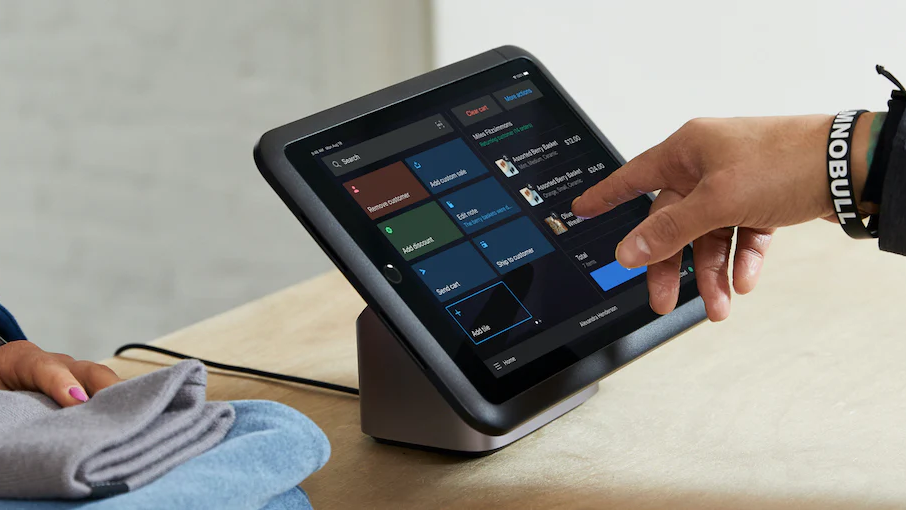
Modern desktop POS systems combine powerful hardware with advanced software to offer more than just transaction processing. Many businesses now rely on a Desktop POS Machine to manage payments, track inventory, and gain insights into sales trends. With continuous advancements in hardware, connectivity, and software capabilities, desktop POS technology is evolving to meet the growing demands of modern businesses.
Cloud Integration and Remote Access
One of the most significant innovations in desktop POS technology is cloud integration. Cloud-enabled POS systems allow business owners and managers to access sales data, inventory, and reports from anywhere, using smartphones, tablets, or computers. This remote accessibility ensures that store operations can be monitored and managed even when managers are off-site, providing real-time insights into performance and inventory levels.
Cloud integration also allows multiple store locations to synchronize data in real time. This means that sales, inventory, and employee performance can be tracked across different outlets simultaneously. By centralizing data in the cloud, businesses can make informed decisions faster and maintain consistency across locations, enhancing operational efficiency.
Contactless and Mobile Payments
The rise of contactless and mobile payments has significantly influenced desktop POS technology. Modern systems are equipped with NFC-enabled card readers, QR code scanning, and mobile wallet compatibility, allowing customers to complete transactions quickly and securely. Contactless payments reduce the time spent at the checkout counter and improve customer convenience, particularly in high-traffic retail and restaurant environments.
In addition, many desktop POS machines now support digital invoicing and e-receipts, reducing paper usage while providing customers with flexible payment options. These innovations not only improve the checkout experience but also promote eco-friendly practices.
Advanced Inventory Management
Inventory management is a critical function of any POS system, and desktop POS machines are adopting smarter, more automated solutions. Innovations such as real-time stock tracking, automatic reorder alerts, and predictive inventory analysis help businesses maintain optimal stock levels while minimizing waste. Some systems even incorporate AI-powered analytics to forecast demand based on historical sales trends, seasonal patterns, and customer behavior.
By automating inventory tracking and combining it with advanced analytics, desktop POS machines allow managers to make data-driven decisions, prevent stockouts, and improve overall efficiency.
Enhanced Reporting and Analytics
Desktop POS machines are evolving beyond simple sales tracking. Modern systems now offer advanced reporting and analytics tools that provide deep insights into customer behavior, product performance, and employee productivity. Interactive dashboards allow managers to visualize key metrics, generate custom reports, and identify trends quickly.
With predictive analytics, retailers can anticipate sales patterns, optimize pricing strategies, and design targeted promotions. These insights help businesses increase profitability while delivering a better customer experience.
Integration with Other Business Tools
Another major innovation in desktop POS technology is seamless integration with other business systems. Many modern POS machines can connect with accounting software, customer relationship management (CRM) platforms, e-commerce solutions, and marketing tools. This interconnected approach allows for streamlined workflows, reducing manual entry errors and saving valuable time.
For example, sales data from a desktop POS system can automatically update accounting records, ensuring accurate financial reporting. Customer data captured at the point of sale can be used to personalize marketing campaigns, enhancing engagement and loyalty.
Security Enhancements
Security remains a top priority for POS systems, and desktop POS machines are incorporating advanced features to protect sensitive customer and business data. End-to-end encryption, tokenization, and multi-factor authentication ensure that payment information and transaction data remain secure. Additionally, modern systems include automated backup solutions, protecting critical business data from hardware failures or cyber threats.
By combining robust security measures with cloud integration and mobile payment capabilities, desktop POS machines offer a safe, reliable platform for handling transactions in today’s digital landscape.
Conclusion
The latest innovations in desktop POS machine technology are transforming how businesses operate, offering faster, more secure, and smarter solutions for transaction processing and business management. Cloud integration, contactless payments, advanced inventory management, enhanced analytics, and seamless integration with other systems are redefining the capabilities of modern POS systems.
Investing in an innovative desktop POS machine allows retailers and service providers to optimize operations, improve customer experiences, and gain valuable insights into their business performance. By leveraging these technological advancements, businesses can stay competitive, enhance efficiency, and ensure long-term success in an increasingly dynamic market.