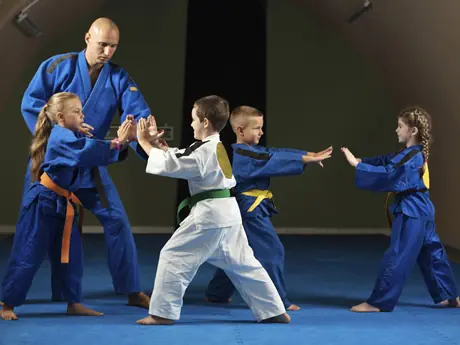
Choosing the right Kung Fu academy is an important decision for anyone interested in martial arts, whether for fitness, self-defense, discipline, or personal growth. The quality of instruction, training environment, and teaching philosophy can significantly influence your progress and overall experience. A good academy does more than teach techniques; it builds character, confidence, and long-term physical and mental strength. With many options available today, it is essential to understand what separates a high-quality training center from an average one. This guide will help you identify the key factors to consider when selecting the right Kung Fu school for your needs.
A well-structured martial arts program begins with experienced instructors, a safe training environment, and a clear curriculum designed for gradual progression. Before committing to any school, it is important to observe how classes are conducted, how instructors interact with students, and whether the training methods align with your personal goals. Visiting a school in person can provide valuable insight into its culture and teaching style. Many students begin their journey by exploring a reputable Kung Fu Academy where structured programs, professional guidance, and supportive learning environments help students develop both physically and mentally. This first step is crucial because the right academy can shape not only your martial arts skills but also your discipline and mindset.
Table of Contents
ToggleInstructor Experience and Teaching Style
One of the most important factors in choosing a Kung Fu academy is the experience and teaching style of the instructors. Skilled instructors should have strong technical knowledge as well as the ability to teach students of different ages and skill levels. A good instructor breaks down complex movements into simple steps and ensures that students understand both the physical and philosophical aspects of Kung Fu. They should also demonstrate patience, consistency, and a genuine interest in student progress. Observing a class can help you understand whether the instructor encourages discipline while maintaining a supportive and motivating environment.
Training Environment and Safety
The training environment plays a major role in the quality of learning. A clean, well-organized, and safe training space is essential for effective practice. Mats, equipment, and training areas should be properly maintained to prevent injuries. Safety protocols should be clearly followed during sparring and physical exercises. A good academy ensures that students train in a controlled environment where safety is prioritized without limiting learning opportunities. The atmosphere should also feel welcoming and respectful, allowing students to focus on improvement without unnecessary pressure or intimidation.
Structured Curriculum and Progression
A quality Kung Fu academy follows a structured curriculum that allows students to progress step by step. Beginners should start with foundational techniques such as stances, basic strikes, and movement coordination. As students advance, they should be introduced to more complex forms, combinations, and self-defense applications. A clear grading or belt system helps students track their progress and stay motivated. Without structure, students may struggle to develop consistency or understand their improvement over time. A well-planned curriculum ensures balanced development in strength, flexibility, technique, and mental discipline.
Class Size and Individual Attention
Class size is another important factor to consider when selecting a Kung Fu school. Smaller classes often allow for more personalized attention, enabling instructors to correct mistakes and guide students more effectively. Larger classes may offer a more energetic environment, but they can sometimes limit one-on-one feedback. A good academy finds a balance by ensuring that every student receives proper instruction and support. Individual attention is especially important for beginners who need help learning correct posture, movement, and technique from the start.
Discipline, Values, and Philosophy
Kung Fu is not just about physical training; it is also about developing discipline, respect, and mental strength. A reputable academy will emphasize traditional values such as humility, patience, and self-control. These principles are integrated into daily training and help students build strong character over time. The philosophy taught in class should encourage personal growth, not just physical ability. Students should feel that they are improving both mentally and physically through consistent practice and guidance.
Student Progress and Community
The progress of existing students can provide valuable insight into the quality of an academy. Observing how students perform and interact can help you understand the effectiveness of the training program. A strong academy often has a supportive community where students encourage one another and train together with respect. This sense of community enhances motivation and makes training more enjoyable. Positive relationships between students and instructors create a healthy learning environment that supports long-term commitment.
Trial Classes and First Impressions
Before making a final decision, attending a trial class is highly recommended. This allows you to experience the teaching style, training intensity, and overall atmosphere firsthand. Pay attention to how comfortable you feel during the session and whether the instructor provides clear guidance. First impressions can reveal a lot about the academy’s professionalism and approach to training. A good Kung Fu school will be open to new students trying out classes before committing to a membership.
Conclusion
Choosing the right Kung Fu academy requires careful consideration of several important factors, including instructor experience, training environment, curriculum structure, and overall philosophy. The right academy will support your physical development while also building discipline, confidence, and mental clarity. By taking the time to research and attend trial classes, you can find a school that aligns with your personal goals and values. A quality training environment not only improves martial arts skills but also contributes to long-term personal growth and well-being.