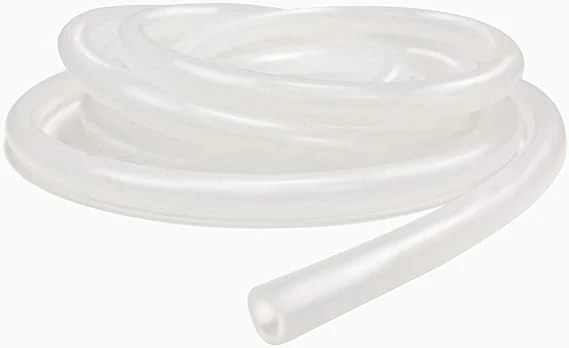
Silicone tubing is widely used across industries such as healthcare, pharmaceuticals, food processing, electronics, and industrial engineering due to its flexibility, durability, and resistance to extreme temperatures. The performance of silicone tubing depends heavily on the quality of raw materials and the precision of manufacturing processes. Understanding how these tubes are made and what materials are used helps businesses evaluate suppliers more effectively and select products that meet strict performance and safety requirements.
Manufacturers in this field must balance material science with advanced production techniques to ensure consistent quality. From selecting the right silicone base to implementing controlled curing methods, every stage of production contributes to the final product’s reliability. When evaluating suppliers, many businesses begin by reviewing the capabilities of Silicone Tubing Manufacturers, especially those with strong expertise in material formulation and precision extrusion. High-quality manufacturers typically invest in advanced testing and production systems to ensure that their tubing meets international standards and performs consistently under demanding conditions.
Table of Contents
ToggleSilicone as the Core Material
The primary material used in silicone tubing is silicone elastomer, a synthetic polymer made from silicon, oxygen, carbon, and hydrogen. Its unique molecular structure gives it exceptional flexibility, thermal stability, and resistance to environmental stress. Unlike many other polymers, silicone maintains its physical properties across a wide temperature range, making it suitable for both high-heat and cryogenic applications.
Manufacturers often choose between different grades of silicone depending on the application. Medical-grade silicone is used in healthcare and pharmaceutical industries due to its biocompatibility and non-toxic nature. Food-grade silicone is designed to meet hygiene standards for food and beverage processing, while industrial-grade silicone is used in less regulated environments where mechanical performance is the primary concern.
Additives and Formulation Enhancements
While base silicone provides the foundation, additives play an important role in enhancing performance characteristics. Manufacturers may incorporate curing agents, stabilizers, and reinforcing fillers to improve properties such as tensile strength, tear resistance, and chemical stability.
For example, platinum-based curing systems are often used in high-end applications because they produce cleaner and more stable cross-linking reactions. This results in tubing that is more durable and less prone to contamination. Fillers may also be added to improve mechanical strength, though they must be carefully selected to avoid compromising flexibility or biocompatibility.
Extrusion Process in Tube Formation
One of the most important manufacturing processes for silicone tubing is extrusion. In this process, raw silicone material is forced through a specially designed die to create continuous tubing with precise dimensions. The extrusion process requires careful control of temperature, pressure, and speed to ensure uniform wall thickness and smooth surface finish.
After extrusion, the tubing is typically cured using heat or chemical processes to stabilize its structure. This step solidifies the material and ensures that it retains its shape and mechanical properties. Advanced manufacturers use continuous extrusion systems that allow for high-volume production while maintaining tight tolerances.
Curing and Vulcanization Techniques
Curing, also known as vulcanization, is a critical step in silicone tubing production. It involves chemically cross-linking silicone polymers to enhance their strength and elasticity. There are different curing methods, including peroxide curing and platinum curing, each offering distinct advantages.
Peroxide curing is widely used for general industrial applications, while platinum curing is preferred for medical and food-grade tubing due to its purity and reduced by-products. Proper curing ensures that the tubing remains stable under pressure, heat, and chemical exposure, which is essential for demanding applications.
Post-Processing and Surface Treatment
After curing, silicone tubing often undergoes additional processing to improve performance and usability. This may include surface treatments to reduce friction, sterilization for medical use, or cutting and packaging to meet customer specifications.
Surface finishing is particularly important in applications where fluid flow is involved. A smooth internal surface reduces the risk of contamination buildup and ensures efficient flow characteristics. Some manufacturers also apply coatings or treatments to enhance chemical resistance or improve bonding capabilities with other components.
Quality Testing and Inspection Methods
Quality assurance is a critical part of the manufacturing process. Silicone tubing is subjected to multiple tests to ensure it meets required standards for strength, flexibility, and purity. Common tests include tensile strength testing, elongation testing, pressure resistance testing, and chemical compatibility analysis.
In regulated industries, additional testing such as biocompatibility and sterilization validation is required. Manufacturers that implement rigorous quality control systems are better able to ensure product consistency and reduce the risk of defects reaching end users. Traceability systems also allow manufacturers to track production batches and quickly identify any issues that may arise.
Conclusion
The production of silicone tubing involves a careful combination of advanced materials and precise manufacturing processes. From selecting high-quality silicone elastomers to implementing controlled extrusion and curing techniques, every step plays a vital role in determining product performance. Additives, surface treatments, and strict quality control further enhance reliability and ensure compliance with industry standards. Understanding these materials and processes helps businesses choose manufacturers capable of delivering consistent, high-performance tubing for a wide range of applications.