Infant sleep is often unpredictable, especially in environments where household or outdoor noise cannot be fully controlled. Babies are naturally more sensitive to sound disruptions, which can lead to frequent waking and shorter sleep cycles. To support healthier rest patterns, many parents turn to sound-based sleep aids designed specifically for nurseries.
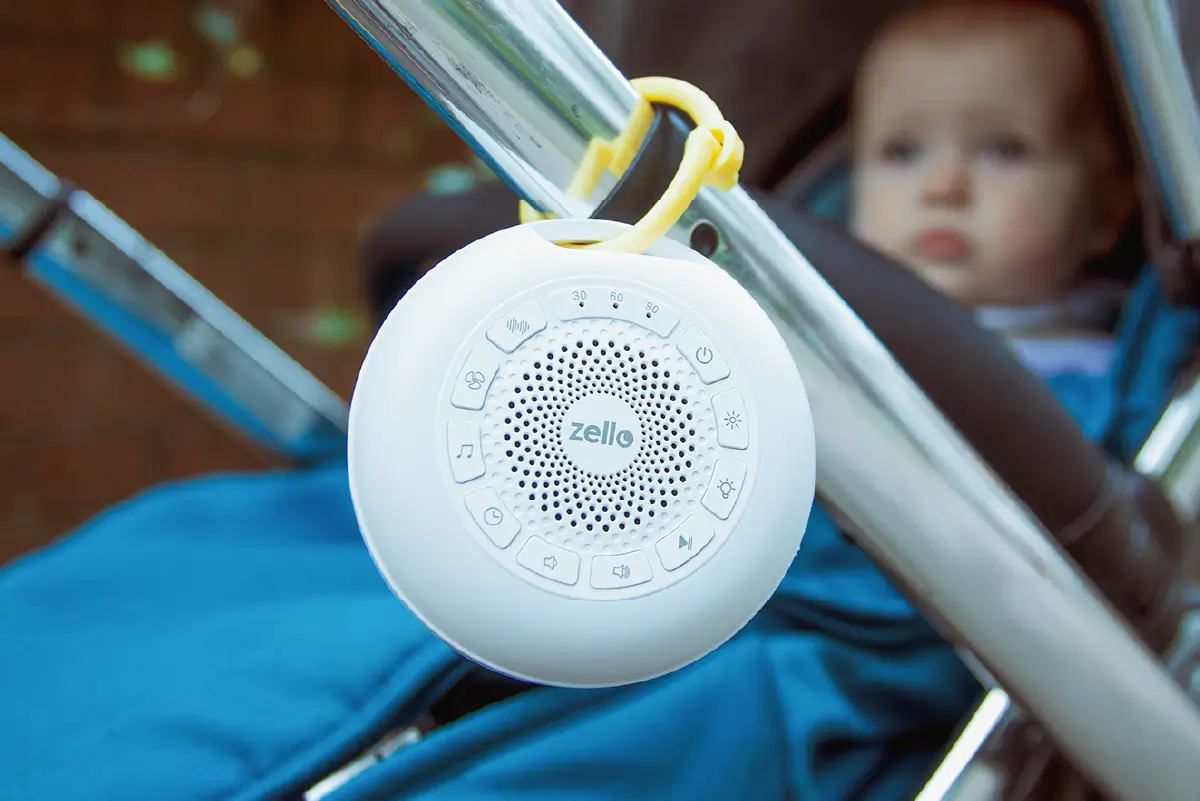
A thoughtfully designed sleep device can combine steady background noise with soothing audio options to create a more comforting environment. For example, the best infant white noise machine with lullabies and natural sounds offers a flexible approach that helps parents tailor the sleep experience to their baby’s needs while maintaining consistency across different sleep situations.
Table of Contents
ToggleWhy Sound Variety Matters for Infant Sleep
Not all babies respond to the same type of sound in the same way. Some infants settle best with steady white noise, while others are calmed by rhythmic lullabies or gentle nature sounds. Having multiple options allows parents to adjust the sleep environment based on what works best at different stages of development.
Sound variety also helps support different parts of the sleep routine. White noise is often used to mask disruptions during deeper sleep phases, while lullabies can help signal bedtime and encourage relaxation before sleep begins.
How White Noise Supports a Stable Sleep Environment
White noise works by blending all audible frequencies into a consistent sound layer. This reduces the contrast between silence and sudden environmental noise, making disruptions less noticeable to the brain. For infants, this is especially important because their sleep cycles are lighter and more easily interrupted.
In practice, white noise helps:
- Mask household sounds such as doors, footsteps, or appliances
- Reduce the impact of outdoor noise like traffic or barking dogs
- Support smoother transitions between sleep cycles
- Create a predictable and familiar sleep environment
This consistency can make it easier for babies to fall asleep and stay asleep for longer periods.
The Role of Lullabies in Bedtime Routines
Lullabies have long been used as a calming tool for infants. Their slow rhythm and gentle melodies help signal emotional safety and comfort. When integrated into a white noise machine, they become part of a structured bedtime routine.
Lullabies can help:
- Encourage relaxation before sleep
- Establish a consistent bedtime cue
- Soothe fussiness during nighttime wake-ups
- Strengthen sleep associations over time
When used regularly, babies begin to associate these sounds with sleep, making bedtime transitions smoother.
Benefits of Natural Sounds in the Nursery
Natural sounds such as rainfall, ocean waves, or soft wind add another layer of flexibility to infant sleep support. These sounds are often more dynamic than white noise but still gentle enough to avoid overstimulation.
They can be especially helpful for:
- Daytime naps in brighter environments
- Babies who respond well to environmental sound patterns
- Creating a calming background during feeding or soothing sessions
Natural sounds also help mask irregular household noise while maintaining a peaceful atmosphere.
Key Features to Look For in an Infant Sound Machine
When choosing a sound machine with multiple audio options, several features can improve usability and safety:
Safe and Adjustable Volume Control
Infant hearing is sensitive, so precise volume adjustment is essential. A good device should allow fine control to ensure the sound remains soothing rather than overwhelming.
Multiple Sound Modes
A combination of white noise, lullabies, and natural sounds provides flexibility for different situations, from bedtime to daytime naps.
Continuous Playback Capability
Reliable, uninterrupted sound is important for maintaining a stable sleep environment throughout the night.
Timer and Auto-Off Functions
Timers help structure sleep routines and prevent unnecessary operation after the baby is already asleep.
Nursery-Friendly Design
Compact, stable designs are ideal for safe placement in or near the crib while keeping the nursery organized and clutter-free.
How to Use Different Sounds Effectively
Using sound options strategically can improve their effectiveness. Many parents find success by assigning different sounds to different parts of the day.
For example:
- White noise for nighttime sleep stability
- Lullabies during bedtime routines
- Natural sounds for daytime naps or calming periods
This approach helps reinforce predictable sleep cues while keeping the environment adaptable.
Building a Consistent Sleep Routine
While sound machines can significantly improve sleep quality, they work best when combined with consistent routines. Babies respond well to repetition and structure, which helps them understand when it is time to sleep.
Helpful practices include:
- Maintaining regular sleep and wake times
- Using dim lighting before bedtime
- Creating a calm pre-sleep environment
- Pairing sound cues with gentle soothing activities
These habits work together to strengthen healthy sleep patterns over time.
Choosing the Right Device for Your Baby
The best device depends on the baby’s temperament and the household environment. Some infants may prefer steady white noise, while others may respond better to lullabies or natural sounds.
Parents should also consider ease of use, especially for nighttime care. Simple controls allow quick adjustments without fully disturbing the sleep environment. Safety features such as volume limits and child-safe construction are equally important.
Final Thoughts
An infant white noise machine that includes lullabies and natural sounds offers a versatile and effective way to support better sleep. By combining consistent noise masking with soothing melodies and calming environmental audio, it helps create a stable and comforting nursery environment. When used alongside a consistent bedtime routine, it can improve sleep quality, reduce disruptions, and support healthier rest patterns for infants.