Choosing sunglasses for a wholesale collection requires careful attention to lens quality. While frame design can attract customers, the lenses influence visual comfort, glare reduction, appearance, and the overall functionality of the product.
When sourcing Wholesale Polarized Sunglasses, buyers should look beyond the polarization label. Checking lens specifications, optical clarity, UV protection, tint, coatings, and overall finishing can help retailers select products that offer a better balance of style and function.
Polarization Performance
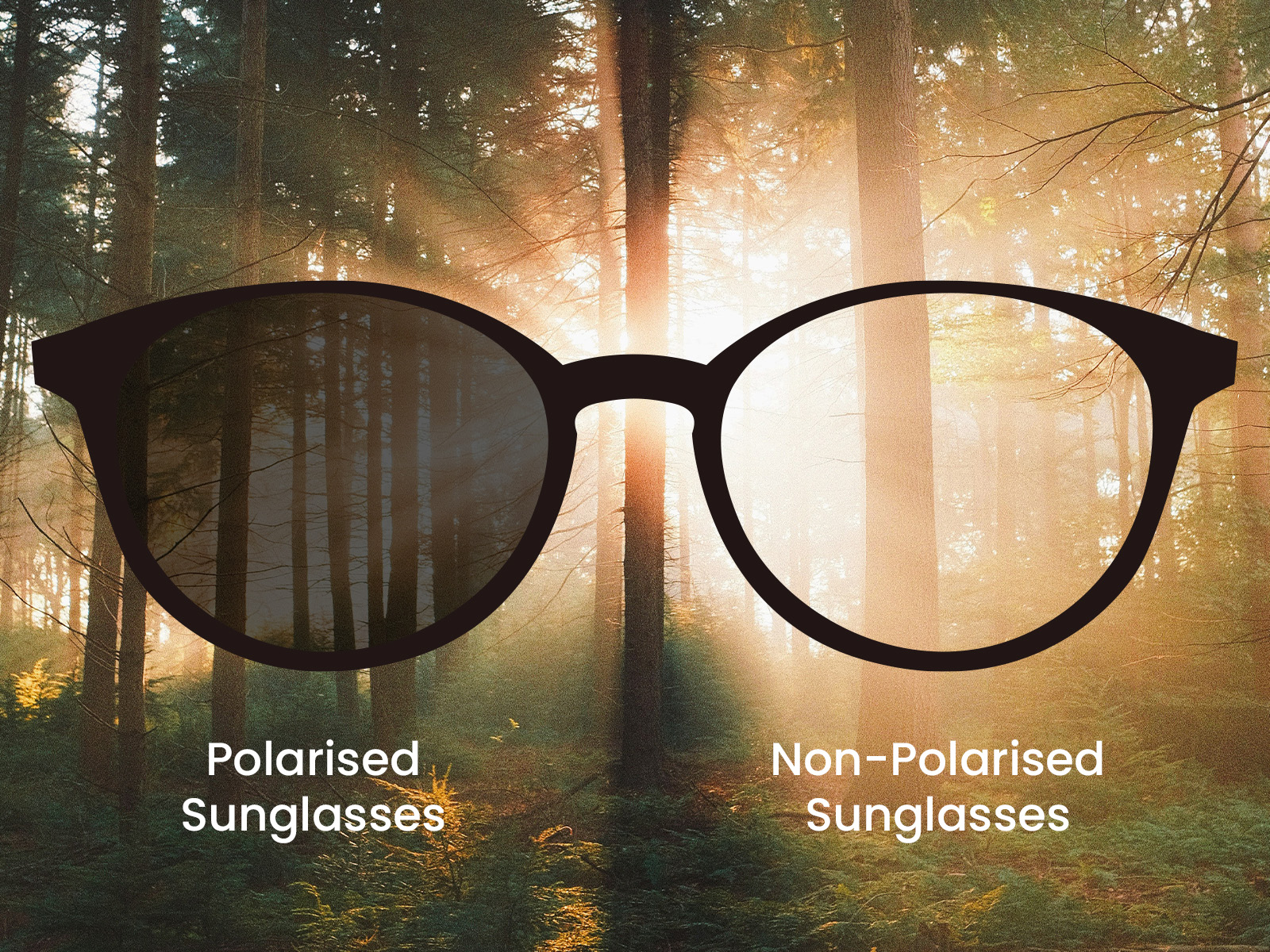
The primary feature to verify is whether the lenses provide effective glare reduction. Polarized lenses are designed to filter certain reflected light, making them particularly useful in bright environments with reflective surfaces.
Buyers should request clear information about the polarization technology used and, where appropriate, review available product documentation or testing information rather than relying solely on marketing descriptions.
UV Protection
Polarization and UV protection are different features. Polarized lenses help reduce glare, while UV protection is intended to limit exposure to ultraviolet radiation.
For this reason, buyers should check the stated UV protection specifications separately. Clear labeling and reliable product information are important when evaluating sunglasses intended for everyday outdoor use.
Optical Clarity
Good optical clarity is essential for comfortable vision. Lenses should appear consistent when viewed under suitable lighting, without obvious distortions, bubbles, scratches, or irregularities.
When possible, inspecting physical samples can provide a better indication of lens quality than photographs alone. Buyers can compare several samples to check whether clarity and finishing remain consistent across products.
Lens Tint and Color
Lens tint affects both the visual appearance of sunglasses and the way customers perceive the product. Gray, brown, green, blue, and gradient lenses can create different aesthetic and functional characteristics.
Gray tints are often chosen for a relatively neutral appearance, while brown lenses can provide a warmer visual effect. Fashion-oriented colors can add variety to a wholesale collection, particularly when paired with contemporary frame designs.
Lens Uniformity
Consistent tinting is another detail worth checking. The lens color should generally appear even rather than showing unexpected variations or patches.
For gradient lenses, the transition should also look smooth and intentional. Uneven coloring can make a product appear poorly finished and may affect its overall presentation.
Scratch Resistance
Sunglasses are frequently carried in bags, stored in drawers, or placed on different surfaces, so lenses can be exposed to scratches during everyday handling.
Buyers should ask whether the lenses include a scratch-resistant treatment or coating and understand what level of protection is actually provided. Protective packaging is also important because even quality lenses can be damaged through poor handling.
Lens Coatings
Additional coatings can influence lens performance and appearance. Depending on the product, coatings may be used to support scratch resistance, reduce reflections, or provide other surface benefits.
Retailers should request accurate information about any coatings included with the lenses. This makes it easier to communicate product characteristics accurately and compare different products.
Lens Material
The material used to manufacture a lens can affect factors such as weight, impact resistance, optical properties, and overall feel.
Different materials may be appropriate for different product categories. Buyers should consider the intended customer and use case when comparing lens materials rather than assuming one material is automatically best for every sunglasses style.
Lens Thickness and Weight
Lens thickness can influence the overall weight and balance of a pair of sunglasses. Large frames, oversized lenses, and certain materials may naturally produce a heavier product.
A well-balanced design should feel comfortable when worn. Buyers can test samples to determine whether the lens and frame combination creates excessive weight around the nose or temples.
Lens-Fitting Accuracy
The lenses should sit securely and evenly within the frame. Poor fitting can result in visible gaps, movement, uneven alignment, or pressure on the lens edges.
Inspecting the lens-to-frame connection is particularly useful when evaluating samples. Consistent fitting across multiple units can also provide insight into manufacturing quality.
Frame and Lens Compatibility
Lens features should be considered together with the frame design. A large polarized lens may suit an oversized frame, while a slim metal frame may work better with a lightweight lens construction.
Color coordination is also important. Neutral lenses can complement a wide range of frame colors, while bold tints may be better suited to statement designs.
Check Product Specifications
Before placing a wholesale order, buyers should request complete and accurate product specifications. Useful information may include:
- Polarization details
- UV protection specifications
- Lens material
- Lens color and tint
- Available coatings
- Lens dimensions
- Frame and lens weight
- Applicable quality or testing information
Having these details in writing can make it easier to compare suppliers and ensure the delivered products match the agreed specifications.
Evaluate Samples Before Ordering in Quantity
Samples allow buyers to assess lens features directly. Look at the lenses from different angles, inspect their surfaces, test the frame fit, and compare multiple units for consistency.
This process can also reveal small manufacturing differences that may not be visible in online product images. A sample review is especially useful when purchasing a large quantity.
Consider the Intended Customer
Not every customer needs the same lens characteristics. Some shoppers may prioritize glare reduction for driving or outdoor activities, while others may be more interested in fashionable colors and frame designs.
Understanding the target market can help retailers choose a suitable mix of lens features instead of purchasing products based on a single specification.
Working With a Reliable Supplier
Consistent lens quality depends on more than the stated specifications. Manufacturing processes, quality control, packaging, and inspection procedures can all influence the final product.
When assessing suppliers such as Eugenia Eyewear, buyers should consider product samples, specifications, communication, and quality consistency before committing to a larger order.
Final Thoughts
Lens quality is an important consideration when building a wholesale polarized sunglasses collection. Polarization, UV protection, optical clarity, tint consistency, coatings, lens material, and fitting accuracy can all affect the finished product.
By reviewing specifications and inspecting samples before ordering, buyers can make more informed decisions and select sunglasses that combine functional lens features with attractive designs. A careful evaluation process can also help create a more reliable and varied collection for different customer needs.