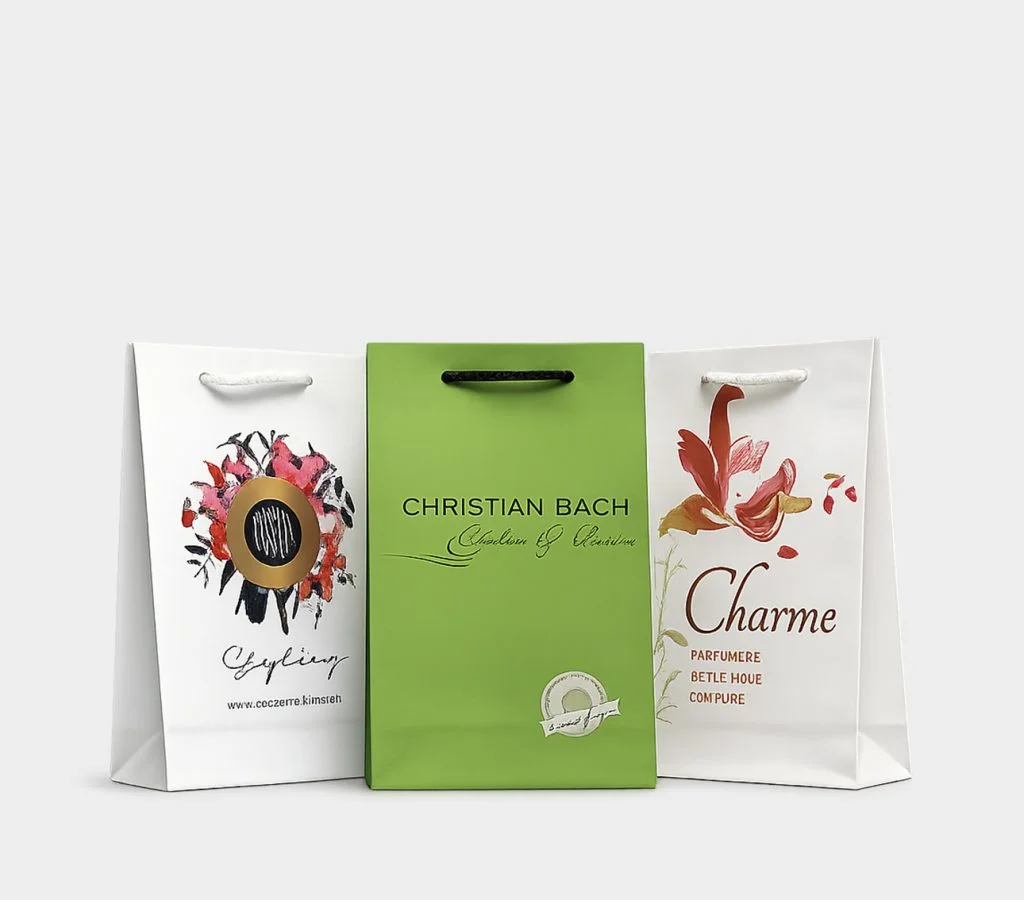
Packaging is an important part of how customers perceive a business. Beyond protecting products and making purchases easier to carry, it provides an opportunity to communicate a brand’s identity and create a positive impression. Personalized packaging can turn an ordinary shopping bag into a recognizable part of the customer experience. With thoughtfully designed Custom Paper Bags, businesses can display their logos, brand colors, and messaging while offering customers practical packaging they can use beyond the point of purchase.
As consumers increasingly notice the details that distinguish one business from another, packaging has become a valuable part of brand communication. A well-designed paper bag can reinforce brand recognition, support a consistent visual identity, and make a purchase feel more memorable. Whether used in retail stores, boutiques, restaurants, or promotional campaigns, personalized paper bags offer a simple way to connect packaging with a company’s overall marketing strategy.
How Personalized Paper Bags Strengthen Brand Recognition
Brand recognition develops when customers repeatedly encounter consistent visual elements associated with a business. Logos, colors, typography, and design patterns all help people identify a brand. Incorporating these elements into packaging creates another opportunity for customers to become familiar with a company.
Consistent Branding Across Customer Touchpoints
Businesses often invest in websites, advertisements, storefront displays, and social media to establish a recognizable identity. Packaging should support the same visual direction. When paper bags use consistent colors, logos, and design elements, they help create a unified experience.
For example, a clothing retailer with a minimalist brand identity may choose simple typography and neutral colors. A specialty gift shop might prefer brighter graphics and decorative details. In both cases, the packaging reflects the business’s personality and makes its products easier to associate with the brand.
Increasing Brand Visibility Beyond the Store
A shopping bag does not necessarily stop promoting a business when a customer leaves the premises. Customers may carry it through shopping centers, streets, offices, or public transportation. Other people can notice the printed logo and become familiar with the company.
This creates an additional opportunity for brand exposure without requiring a separate advertising campaign. The visibility depends on factors such as bag design, logo placement, print quality, and how frequently customers reuse or carry the packaging.
Improving the Customer Experience Through Thoughtful Packaging
Packaging influences how customers feel about a purchase. A product presented in an attractive, convenient bag can create a more complete shopping experience. Personalized paper bags allow businesses to combine visual appeal with practical functionality.
Creating a More Memorable First Impression
The packaging is often one of the final things customers interact with before leaving a store. A carefully designed bag can make the purchase feel more polished and professional.
Small details can contribute to this impression. A well-positioned logo, coordinated colors, clean printing, and suitable handles can make packaging feel intentional rather than generic. These choices help customers recognize the attention a business gives to its products and presentation.
Providing Convenience and Practical Value
Good packaging should look appealing while serving its intended purpose. Customers need bags that are comfortable to carry and suitable for the products inside.
Businesses should consider bag dimensions, paper strength, handle construction, and expected product weight. A bag designed for lightweight accessories may not be appropriate for heavier retail items. Choosing suitable specifications helps reduce inconvenience and supports a more positive experience.
Important Design Elements for Custom Paper Bags
An effective paper bag design balances appearance, durability, and brand communication. Businesses should consider several elements before finalizing their packaging.
Logo Placement and Brand Colors
The logo is usually one of the most recognizable features of branded packaging. It should be clear, appropriately sized, and positioned where customers can easily see it.
Brand colors also play an important role. Using the same color palette across packaging and other marketing materials creates visual consistency. Businesses should ensure that the selected colors reproduce well on the chosen paper material and printing method.
Paper Type and Material Quality
The paper used for packaging affects its appearance, strength, and overall performance. Different paper options offer different textures, finishes, and levels of durability.
Kraft paper is often selected for its natural appearance, while coated paper can provide a smoother surface for detailed printing. The right choice depends on the products being packaged, the desired brand image, and the intended use of the bags.
Handles, Sizes, and Finishing Options
Handles should be comfortable and strong enough for the expected load. Twisted paper handles, flat handles, and other construction styles offer different practical and visual characteristics.
Size selection is equally important. Bags that are too small can make products difficult to pack, while unnecessarily large bags may waste material and reduce convenience. Finishing options such as matte or gloss coatings, embossing, and specialty printing can further influence the final appearance.
The Role of Paper Bags in Business Marketing
Personalized packaging can support marketing efforts by extending brand communication into everyday situations. Unlike some promotional materials that customers may quickly discard, a useful shopping bag can remain in circulation for additional uses.
Supporting Word-of-Mouth and Organic Exposure
Customers sometimes reuse attractive and durable shopping bags for carrying personal items, gifts, or other purchases. When a bag continues to be used, its branding may be seen by additional people.
This type of exposure is not guaranteed, but packaging that combines attractive design with practical value has a better chance of remaining useful. Businesses can encourage this by choosing appropriate materials and creating designs customers are comfortable carrying.
Enhancing Promotional Campaigns and Seasonal Sales
Paper bags can also be adapted for specific promotions, product launches, holidays, and seasonal collections. A limited-edition design can help distinguish a campaign while maintaining the company’s core visual identity.
For example, a retailer might introduce festive artwork during a holiday shopping period or use special printed packaging for a new collection. These details can make a campaign feel more coordinated and give customers a distinctive presentation.
Sustainability Considerations in Paper Packaging
Environmental considerations have become increasingly important in packaging decisions. Paper bags are often associated with more environmentally conscious packaging, but their actual impact depends on how they are produced, used, and disposed of.
Choosing Responsible Materials
Businesses can investigate recycled paper content, responsibly sourced fibers, and suppliers that provide clear information about their material choices. These considerations can help companies make more informed purchasing decisions.
It is also important to avoid making broad environmental claims without supporting evidence. Paper packaging is not automatically sustainable in every situation. Production methods, transportation, coatings, inks, and disposal infrastructure all influence its environmental footprint.
Encouraging Reuse and Responsible Disposal
Durable bags may be reused for shopping, storage, or carrying everyday items. Designing packaging for practical reuse can help extend its useful life.
Businesses should also consider whether the bag’s handles, coatings, and other components affect its recyclability. Clear material specifications from suppliers can make it easier to communicate appropriate disposal guidance to customers.
Choosing the Right Supplier for Personalized Paper Bags
The quality of the finished packaging depends not only on design but also on the supplier’s manufacturing capabilities. Businesses should evaluate suppliers carefully, particularly when ordering large quantities.
Assessing Printing and Production Quality
Before placing a substantial order, review samples or product specifications. Check whether the printing is sharp, the colors are consistent, and the handles and seams are securely constructed.
It is also useful to understand the available printing techniques, material options, customization capabilities, and quality-control procedures. These details can help prevent differences between the approved design and the final production batch.
Comparing Pricing, Minimum Orders, and Lead Times
Price is an important consideration, but the lowest quotation does not always provide the best overall value. Businesses should compare material quality, printing specifications, customization costs, minimum order quantities, and delivery timelines.
Clear communication about production schedules is particularly important for seasonal promotions and major sales periods. Ordering with sufficient lead time can reduce the risk of packaging delays affecting business operations.
Common Mistakes to Avoid When Designing Custom Paper Bags
Even a visually appealing design can be ineffective if practical requirements are overlooked. Businesses should avoid overcrowding the bag with excessive text, graphics, or promotional messages. A clear design with a recognizable logo is often more effective than one containing too many competing elements.
Another common mistake is selecting materials based only on appearance. A lightweight bag may look suitable but fail to support the products it is intended to carry. Similarly, choosing an unsuitable size or handle style can create unnecessary inconvenience for customers.
Businesses should also review final artwork carefully before production. Checking spelling, logo proportions, color specifications, print placement, and dimensions helps minimize costly errors. Requesting a physical sample can provide additional confidence before approving a bulk order.
Conclusion
Personalized paper packaging can contribute significantly to brand recognition and customer experience. By combining consistent visual branding with practical materials, suitable dimensions, and thoughtful finishing, businesses can create packaging that supports both product presentation and everyday convenience.
From retail stores and boutiques to restaurants and promotional campaigns, well-designed paper bags offer an additional way to communicate brand identity. Choosing appropriate materials, working with a reliable supplier, and maintaining consistent design standards can help businesses make packaging a useful part of their wider marketing strategy.