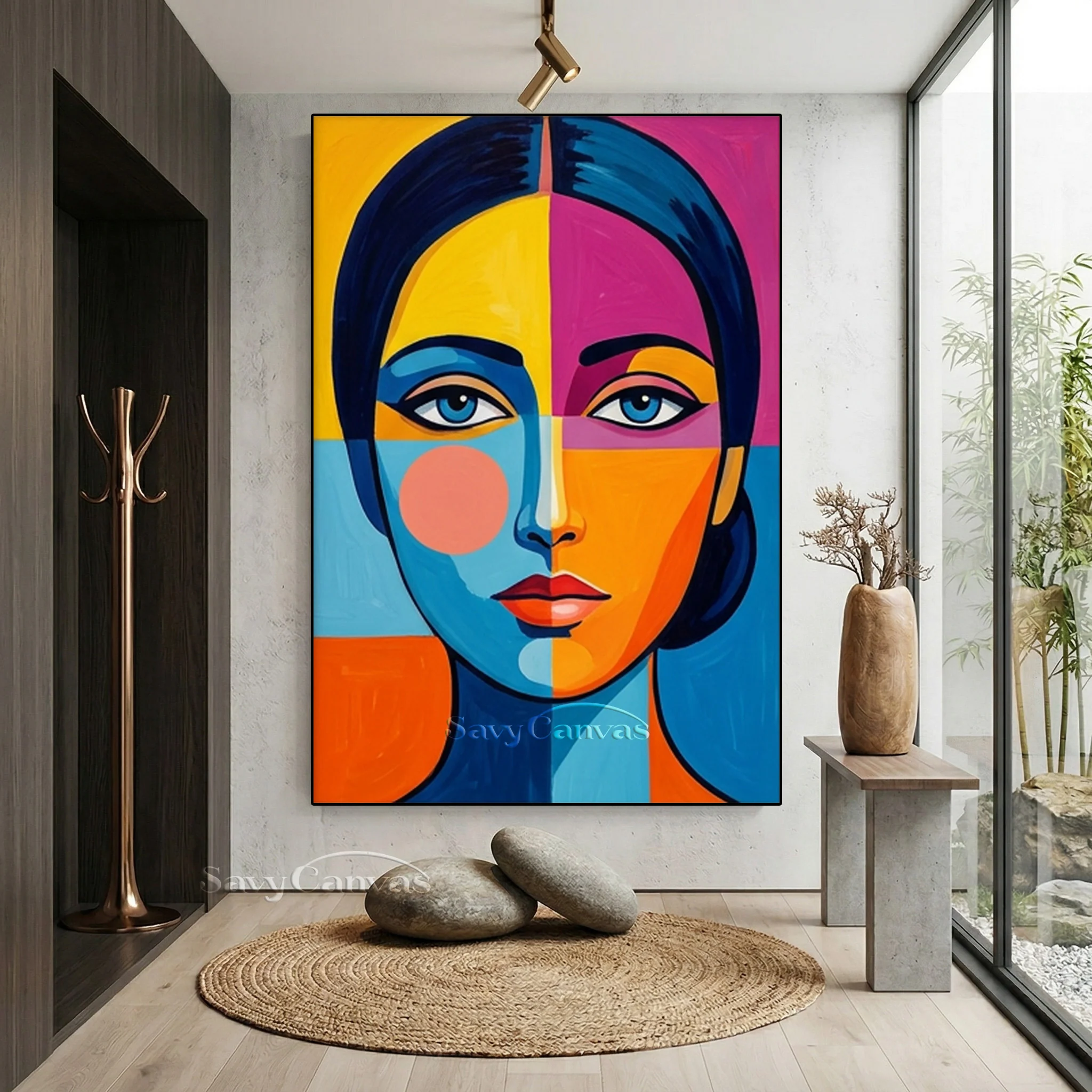
Modern interior design is often defined by clean lines, thoughtful color combinations, functional furniture, and carefully selected decorative details. Artwork plays an important role in bringing these elements together, adding personality and creating a visual connection between different parts of a room. Among the many artistic styles available, pop-inspired paintings stand out for their vibrant colors, recognizable imagery, and expressive compositions.
Choosing the right Pop Oil Painting can introduce character into a contemporary interior while maintaining a balanced appearance. However, selecting artwork involves more than choosing an attractive image. Factors such as color harmony, room dimensions, subject matter, lighting, and furniture arrangement all influence how a painting interacts with its surroundings. Understanding these details makes it easier to create an interior that feels cohesive and visually interesting.
Understanding the Appeal of Pop Art in Modern Interiors
Pop art has a distinctive visual identity that makes it suitable for contemporary decorative environments. Its origins are closely connected with popular culture, advertising, entertainment, and everyday objects.
Artists often use bold colors, simplified forms, repeated patterns, and recognizable subjects to create expressive compositions. When these elements are combined with traditional oil painting techniques, the artwork gains additional depth through brushwork, pigment layering, and surface texture.
In modern interiors, these paintings can provide contrast against neutral walls and minimalist furniture. They also offer an opportunity to introduce personal interests and creative expression into a living space.
Consider the Existing Color Scheme
Color coordination is one of the most important considerations when choosing artwork for a modern room. A painting should complement the existing environment while introducing enough contrast to remain visually noticeable.
Match Existing Accent Colors
Look at the dominant shades already present in the room, including those found in furniture, cushions, rugs, curtains, and decorative accessories.
Selecting a painting that includes one or two of these colors can create a sense of continuity. For example, artwork featuring blue and yellow accents may complement a room with neutral furniture and blue decorative accessories.
Create Contrast With Neutral Interiors
Modern interiors frequently use white, beige, gray, and other understated shades. A vibrant pop-inspired painting can introduce energy without requiring significant changes to the overall decoration.
A colorful composition against a neutral wall often creates a strong focal point.
Avoid Excessive Color Competition
Although pop art is known for its bright palette, too many competing colors can make a room feel visually crowded. Consider the overall color distribution and choose artwork that contributes to the existing atmosphere rather than overwhelming it.
Choose the Right Painting Size for Your Space
The dimensions of an artwork have a significant effect on how it appears within a room. A painting that is too small may look disconnected from the surrounding furniture, while an oversized piece can dominate the entire space.
Large Paintings for Spacious Rooms
Large pop-inspired oil paintings can work particularly well above sofas, dining tables, or prominent living room walls.
They establish a clear focal point and help define the character of an open space.
Medium-Sized Artwork for Balanced Arrangements
Medium-sized paintings offer flexibility in bedrooms, hallways, and smaller living areas. They can be displayed individually or incorporated into a carefully arranged collection.
Small Paintings for Decorative Groupings
Smaller artworks can be grouped together to create a gallery wall. Combining different subjects or color palettes can introduce variety while maintaining a consistent artistic theme.
Before purchasing a painting, measure the available wall area and consider the proportions of nearby furniture.
Select Subjects That Reflect Your Personal Style
The subject of a pop-inspired painting influences the atmosphere it creates. Modern pop art offers a wide range of themes, making it possible to find artwork that complements different interior preferences.
Abstract and Geometric Compositions
Paintings featuring geometric patterns, simplified shapes, and unconventional color arrangements can complement minimalist and contemporary interiors.
Their structured appearance works well with furniture that emphasizes clean lines and simple forms.
Celebrity and Portrait Artwork
Portrait-based pop art can introduce personality and cultural references into a room. These paintings are particularly suitable for creative spaces and interiors that reflect individual interests.
Everyday Objects and Consumer Imagery
Artwork featuring food products, household objects, fashion accessories, or recognizable commercial imagery can create a playful atmosphere.
These subjects often work well in kitchens, dining areas, entertainment spaces, and casual living environments.
Nature-Inspired Pop Art
Flowers, animals, and natural landscapes can also be interpreted through the visual language of pop art. Their combination of familiar subjects and unconventional colors offers an interesting alternative to traditional nature paintings.
Pay Attention to Oil Painting Texture and Quality
Beyond appearance, the physical characteristics of an oil painting can influence its relationship with the surrounding interior.
Oil paints are valued for their rich pigments, blending capabilities, and versatility. Different artists use these properties to create smooth surfaces, visible brushstrokes, or raised textures.
When evaluating artwork, consider the following elements:
- Color consistency: Look for intentional color relationships and clearly defined areas.
- Brushwork: Consider whether the application of paint complements the style of the composition.
- Surface texture: Decide whether a smooth or more expressive finish suits the room.
- Canvas and framing: Check the quality of the painting surface and whether the frame complements the artwork.
- Overall craftsmanship: Pay attention to composition, detail, and the artist’s execution.
These characteristics help distinguish paintings that offer artistic depth from decorative images selected solely for their colors.
Match Artwork With Different Rooms
Every room has a different purpose, so the most suitable painting may vary depending on the environment.
Living Room
The living room is often the best place for a prominent pop-inspired painting. A large composition above the sofa can become a focal point and introduce color into an otherwise understated interior.
Choose artwork that complements the furniture and establishes the atmosphere you want the room to communicate.
Bedroom
Bedrooms generally benefit from a more balanced visual environment. Consider paintings with coordinated colors or subjects that reflect personal interests without making the space feel too busy.
Kitchen and Dining Area
Food-inspired artwork, colorful illustrations, and paintings featuring everyday objects can complement kitchens and dining areas.
Smaller compositions can work particularly well in these spaces, especially when arranged thoughtfully.
Home Office
A creative workspace can benefit from expressive artwork that introduces individuality. Geometric patterns, abstract compositions, and energetic color combinations are suitable options.
Understand the Importance of Lighting
Lighting affects how colors, textures, and details appear on an oil painting. A well-positioned artwork can look noticeably different depending on the amount and direction of available light.
Natural light can reveal surface details, while suitable artificial lighting helps maintain visibility during the evening.
However, direct sunlight may contribute to fading over time, depending on the pigments and materials used. Strong heat sources and excessive humidity should also be avoided.
For valuable or original oil paintings, consider appropriate display conditions and professional conservation guidance when necessary.
Create Balance Between Artwork and Furniture
A successful interior arrangement considers how artwork relates to furniture, wall decoration, and surrounding accessories.
For example, a highly detailed painting may look best against a relatively simple wall. Similarly, a colorful composition can provide contrast when paired with understated furniture.
A few practical guidelines can help:
- Position artwork at a comfortable viewing height.
- Leave enough surrounding wall space to allow the composition to stand out.
- Align larger paintings with the furniture beneath them.
- Avoid placing several visually dominant pieces too close together.
- Use complementary frames and decorative accessories to maintain consistency.
The goal is not to make every element identical but to create a visual relationship between the different parts of the room.
Common Mistakes to Avoid When Selecting Pop Oil Paintings
Choosing artwork based only on its immediate appearance can sometimes lead to disappointing results. A painting may look attractive individually but feel out of place when displayed in a particular interior.
Some common mistakes include:
- Selecting artwork without measuring the available wall space.
- Ignoring the existing color palette.
- Choosing a subject that conflicts with the room’s overall atmosphere.
- Overcrowding walls with too many colorful compositions.
- Neglecting lighting and suitable display conditions.
- Prioritizing decorative trends over personal artistic preferences.
Taking time to evaluate these factors can help create a more satisfying and cohesive interior arrangement.
Conclusion
Choosing pop oil paintings for modern interior designs involves balancing artistic expression with practical decorative considerations. Color coordination, painting dimensions, subject matter, texture, lighting, and furniture placement all influence how artwork contributes to a space.
The distinctive character of pop art makes it an excellent option for introducing personality and visual energy into contemporary environments. By selecting paintings that complement the room while reflecting individual preferences, homeowners can create interiors that feel balanced, expressive, and visually engaging.