

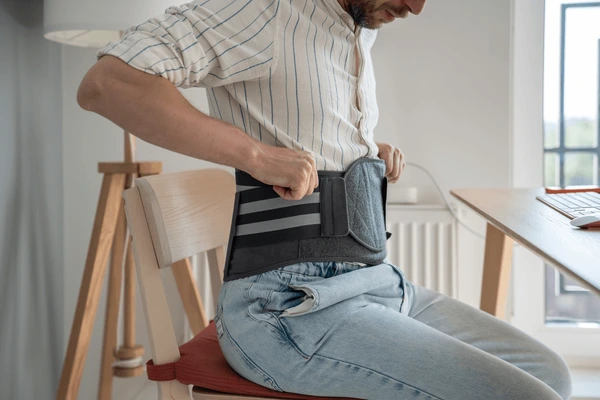
Recovering from a back injury requires a combination of rest, proper exercise, and effective support to prevent further strain. The lower back is a vulnerable area, and even minor movements can aggravate injuries if the muscles and spine are not properly stabilized. For this reason, using a supportive device such as a neoprene back brace can play a crucial role in the healing process. When selected and used correctly, a back brace helps provide stability, reduces pain, and promotes proper posture during recovery.
Neoprene back braces are designed to offer both support and flexibility, making them ideal for individuals recovering from mild to moderate back injuries. They provide gentle compression around the lumbar region, which can help reduce muscle strain and improve circulation. Products like Neoprene Back Brace are particularly effective because they combine warmth, ergonomic design, and adjustable support, enabling users to maintain spinal alignment while performing daily activities safely. Selecting the right brace ensures that recovery is supported without unnecessarily restricting movement.
Table of Contents
ToggleUnderstanding the Benefits of a Neoprene Back Brace
A neoprene back brace provides several benefits during the recovery process. First, it helps stabilize the spine, which is essential when muscles and ligaments are weakened or healing from an injury. By limiting excessive motion, the brace reduces the risk of re-injury and allows the back muscles to recover gradually.
Compression is another advantage of neoprene material. It gently supports the lower back muscles, helping alleviate pain and fatigue. The added warmth from the material increases blood flow to the injured area, which can reduce stiffness and promote faster healing. For individuals recovering from back strain, herniated discs, or minor ligament injuries, these features make neoprene braces an effective complement to physical therapy and other treatment strategies.
Comfort and flexibility are also important considerations. Unlike rigid braces, neoprene supports allow for controlled movement while still providing sufficient stabilization. This balance between mobility and support is critical for maintaining daily activity levels without compromising recovery.
Factors to Consider When Choosing a Neoprene Back Brace
Selecting the best neoprene back brace requires evaluating several key factors. Fit and adjustability are essential. A brace should wrap securely around the lower back without feeling overly tight. Adjustable straps or Velcro closures allow the user to customize the level of compression and support depending on activity levels and the stage of recovery.
Material quality and durability are also important. High-quality neoprene maintains its shape and elasticity over time, ensuring consistent support. Breathable designs with ventilation or perforations can improve comfort, especially when wearing the brace for extended periods. Comfort is critical because a brace that causes irritation or excessive sweating is less likely to be used consistently.
Ergonomic design is another factor to consider. A well-designed brace should follow the natural curve of the spine and target support to the lumbar region. This ensures that pressure is distributed evenly and that the brace does not interfere with movement or daily tasks.
Using a Neoprene Back Brace Safely
While a neoprene back brace can aid recovery, proper use is essential for optimal results. It is important to wear the brace as directed, typically during activities that put stress on the lower back, such as lifting, walking, or prolonged sitting. Avoid wearing it continuously unless advised by a healthcare professional, as over-reliance on the brace can reduce natural muscle strength.
Proper positioning of the brace is also critical. The support should sit comfortably over the lumbar area, extending slightly above and below the curve of the spine. Users should ensure that straps are adjusted evenly to avoid uneven pressure or discomfort. Following these guidelines helps maintain spinal alignment and provides the best support for healing muscles and ligaments.
Complementary Practices for Recovery
A neoprene back brace is most effective when used alongside other recovery strategies. Strengthening exercises for the core and lower back muscles help restore natural stability and reduce dependence on external supports. Stretching routines improve flexibility and prevent stiffness that may develop during periods of limited activity.
Good posture and body mechanics should also be emphasized during recovery. A back brace serves as a reminder to maintain proper alignment, but developing healthy posture habits ensures long-term back health even after the brace is no longer needed. Combining brace use with these complementary practices accelerates recovery and enhances overall spinal strength.
Maintenance and Longevity of Your Back Brace
Caring for a neoprene back brace properly ensures it remains effective throughout the recovery process. Regular cleaning with mild soap and lukewarm water prevents the buildup of sweat and bacteria that can degrade the material. The brace should be air-dried away from direct heat sources to preserve elasticity and durability. Proper storage in a cool, dry place also helps maintain its shape and functionality.
Checking for signs of wear, such as frayed edges or weakened closures, is important. Replacing the brace when necessary ensures continued support and prevents a decrease in effectiveness, which could compromise recovery efforts.
Conclusion
Choosing the best neoprene back brace for injury recovery requires careful consideration of fit, support, comfort, and material quality. By providing stabilization, compression, and warmth, these braces aid in reducing pain, preventing further injury, and promoting proper spinal alignment. Used in conjunction with strengthening exercises, good posture habits, and medical guidance, a neoprene back brace can be a valuable tool in accelerating recovery and ensuring long-term back health. Selecting the right brace and using it correctly ensures maximum benefit and a smoother, safer recovery process.

