

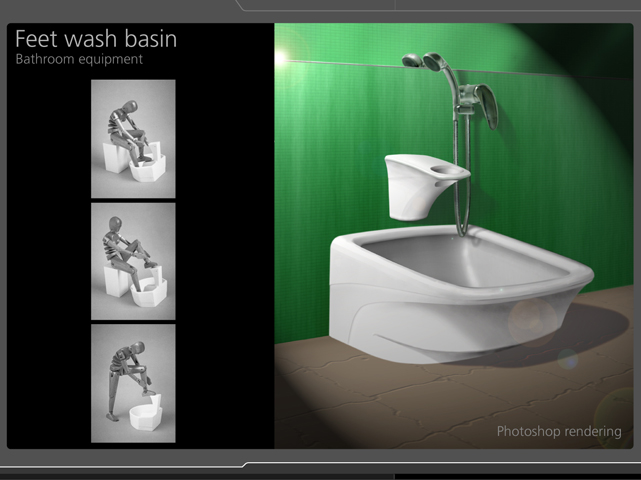
Water spills during ablution can be a common issue in homes, mosques, and Islamic centers, leading to safety hazards and extra cleaning work. Ensuring that water is properly contained and drained is essential for both hygiene and convenience. A Wudu sink with foot wash is designed to prevent spills, making the wudu process safer and more efficient.
Importance of Spill Prevention
Water spills not only create slippery surfaces but can also cause damage to flooring and surrounding fixtures over time. In busy communal spaces, frequent water splashes can increase the risk of accidents and make cleaning more challenging. A sink that incorporates thoughtful design features helps to reduce these issues, keeping the ablution area clean and safe for all users.
Design Features That Control Water Flow
Modern wudu sinks include ergonomic basins for both hands and feet, strategically shaped to direct water towards the drain. Features such as raised edges, sloped basins, and properly positioned faucets help contain water within the sink itself. These design elements reduce the likelihood of overflow and minimize splashing during the ablution process. A wudu sink with foot wash ensures that both hand and foot washing are performed efficiently without water spilling onto the surrounding floor.
Efficient Drainage Systems
Proper drainage is crucial for preventing standing water and spills. High-quality wudu sinks are equipped with well-engineered drainage systems that quickly remove used water from the basins. This feature keeps the sink area dry, reduces the risk of slips, and maintains a hygienic environment. In addition, efficient drainage prevents water from pooling around the sink, which is particularly important in high-traffic prayer areas.
Faucet and Flow Control
Adjustable or controlled-flow faucets contribute to water spill prevention. By regulating the amount of water released, these faucets minimize splashing and allow users to wash hands and feet comfortably. Touchless or sensor-operated faucets are particularly effective in communal settings, as they reduce the chance of water being wasted or spilled during frequent use.
Space and Installation Considerations
Proper installation of a wudu sink also plays a significant role in controlling water spills. Wall-mounted or corner sinks should be securely anchored and positioned with adequate clearance around them. This ensures that users have enough room to perform ablution comfortably without causing water to drip onto floors. Proper spacing and height adjustment further reduce the likelihood of spills and promote safe use.
Material Selection for Hygiene and Maintenance
Durable, non-porous materials such as solid surfaces and stainless steel enhance spill management. Smooth surfaces prevent water from seeping into the material, while easy-to-clean finishes make it simple to wipe away any accidental splashes. This combination of material quality and design ensures the sink remains hygienic and functional even with frequent use.
Conclusion
A wudu sink with foot wash is an essential fixture for preventing water spills during ablution. Its ergonomic design, efficient drainage system, and carefully positioned faucets help maintain a clean and safe environment for both homes and communal prayer areas. By investing in a high-quality sink, users can enjoy a more convenient, hygienic, and safe wudu experience, supporting proper ablution practices for all.

