

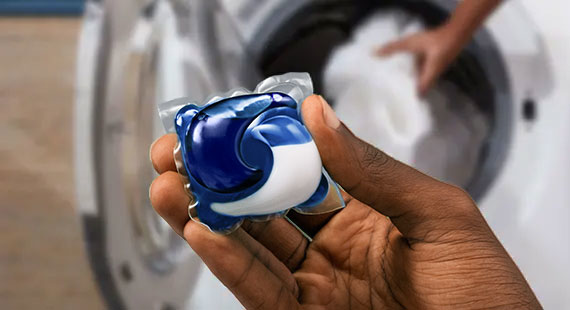
In today’s fast-paced world, convenience is a priority, and this is especially true when it comes to household chores like laundry. Laundry pods have emerged as a popular solution, offering pre-measured doses of detergent that make washing clothes simpler and more efficient. Behind the scenes, the production of these compact, highly effective pods is made possible by sophisticated machinery. Understanding how these machines work provides valuable insights into modern manufacturing and the detergent industry.
The Basics of Laundry Pod Production
Laundry pod making machines are designed to transform liquid or powdered detergent into small, pre-measured pods that are easy to use. These pods typically consist of a water-soluble film, often made from polyvinyl alcohol (PVA), which dissolves in the wash cycle, releasing the detergent. The machines handle several critical steps: filling, sealing, and cutting the pods, all while maintaining strict hygiene standards to prevent contamination.
The process starts with the preparation of the detergent mixture. Ingredients such as surfactants, enzymes, fragrances, and water are blended to achieve the desired cleaning properties. The mixture must have the correct viscosity to ensure it can be accurately dispensed into the pod compartments without spilling or deforming the film. Temperature and consistency control are crucial at this stage to maintain product quality.
Components of a Laundry Pod Making Machine
A Laundry Pod Making Machine is composed of several integrated systems that work in harmony to produce uniform pods. The primary components include the film feed system, dosing unit, sealing mechanism, and cutting device.
-
Film Feed System: This component unwinds the PVA film from rolls and guides it into the machine. Proper tension control is essential to prevent tearing or wrinkling of the film.
-
Dosing Unit: The dosing system measures and deposits the exact amount of detergent into each pod cavity. Depending on the machine, this can be achieved using volumetric pumps, piston fillers, or auger systems.
-
Sealing Mechanism: Once the detergent is in place, the machine seals the film, typically using heat or ultrasonic technology. This step ensures the pods are airtight and prevents leakage.
-
Cutting Device: After sealing, the continuous strip of pods is cut into individual units. The cutting process must be precise to avoid damaging the pods or leaving sharp edges.
The automation of these components allows for high-speed production while maintaining consistent quality. Modern machines can produce thousands of pods per hour with minimal human intervention.
How the Production Process Works
The production process in a laundry pod making machine is highly automated and consists of several stages. First, the PVA film is unrolled and shaped into a mold or cavity where the detergent will be deposited. The dosing unit then fills each cavity with the correct amount of detergent.
At this stage, machines like the Laundry Pod Making Machine ensure precision and consistency. This step is crucial because uneven filling can lead to pods that either break too easily or do not contain enough detergent for effective cleaning. After filling, the sealing mechanism bonds the film securely around the detergent. Depending on the technology used, heat sealing melts the edges of the film together, while ultrasonic sealing uses high-frequency vibrations to achieve the same result without raising the temperature. Finally, the cutting unit separates the sealed pods into individual pieces, which are then ready for packaging.
Advantages of Using Laundry Pod Making Machines
Investing in a laundry pod making machine offers several benefits for manufacturers. First and foremost, these machines significantly reduce labor costs by automating a process that would be extremely time-consuming if done manually. They also ensure uniformity in pod size and detergent content, which is critical for maintaining brand consistency and customer satisfaction.
Additionally, these machines minimize waste. Traditional liquid or powder detergents often result in overuse or spillage, but pre-measured pods deliver the exact amount needed for a single wash. The water-soluble film also contributes to environmental sustainability, as it dissolves completely and does not leave behind plastic residues.
Maintenance and Safety Considerations
To ensure smooth operation, regular maintenance of laundry pod making machines is essential. This includes cleaning the dosing system to prevent clogging, inspecting the sealing mechanism for wear, and monitoring the tension of the PVA film. Any malfunction can lead to defective pods, which can damage a brand’s reputation.
Safety is another critical concern. Operators must be trained to handle chemicals safely and to follow protocols when dealing with heated components. Many modern machines come with safety interlocks and automated shutdown features to reduce the risk of accidents.
Conclusion
Laundry pod making machines represent a fusion of chemistry and engineering, enabling the efficient production of convenient and effective detergent pods. From precise dosing to secure sealing and cutting, these machines automate every step of the process while maintaining high standards of quality and hygiene. As consumer demand for convenient laundry solutions continues to rise, the technology behind these machines will remain a vital part of the detergent manufacturing industry.
By understanding how these machines operate, manufacturers can optimize production, reduce waste, and consistently deliver a product that meets modern household needs. Whether for large-scale industrial production or smaller operations, the efficiency and precision of laundry pod making machines have revolutionized the way we approach laundry.

