Constructing a garage is one of the smartest ways to increase both the utility and value of your home. Whether you need space for one vehicle or a full three-car setup with extra storage or workshop areas, planning ahead is crucial. The process involves selecting the right size, materials, and features while understanding regional labor rates and permit requirements.
For those curious about the cost to build a garage, comprehensive resources like Mynex House Project provide insights on budgeting, materials, and construction strategies that help homeowners make informed decisions without overspending.
Benefits of Adding a Garage
Vehicle and Equipment Protection
Garages shield cars, motorcycles, bicycles, and tools from weather damage. From rain and snow to harsh sunlight, a secure garage can significantly extend the lifespan of vehicles and equipment.
Increased Storage and Usability
Beyond parking, a garage provides room for seasonal items, home improvement tools, and hobby equipment. Many homeowners convert part of the space into workshops, gyms, or craft areas, increasing the overall functionality of their property.
Added Home Value
A well-built garage can substantially enhance the resale value of your home. Buyers often prioritize homes with extra enclosed space for vehicles and storage, making garages a worthwhile investment in both utility and market appeal.
Key Factors That Influence Garage Construction Costs
Type and Placement of Garage
-
Attached Garage: Shares walls and utilities with the house, reducing construction complexity and cost.
-
Detached Garage: Freestanding and flexible in design, but generally more expensive due to separate foundations and roofing.
Size and Vehicle Capacity
The garage size is a major factor:
-
Single-Car Garage: Small and cost-efficient, suitable for limited space.
-
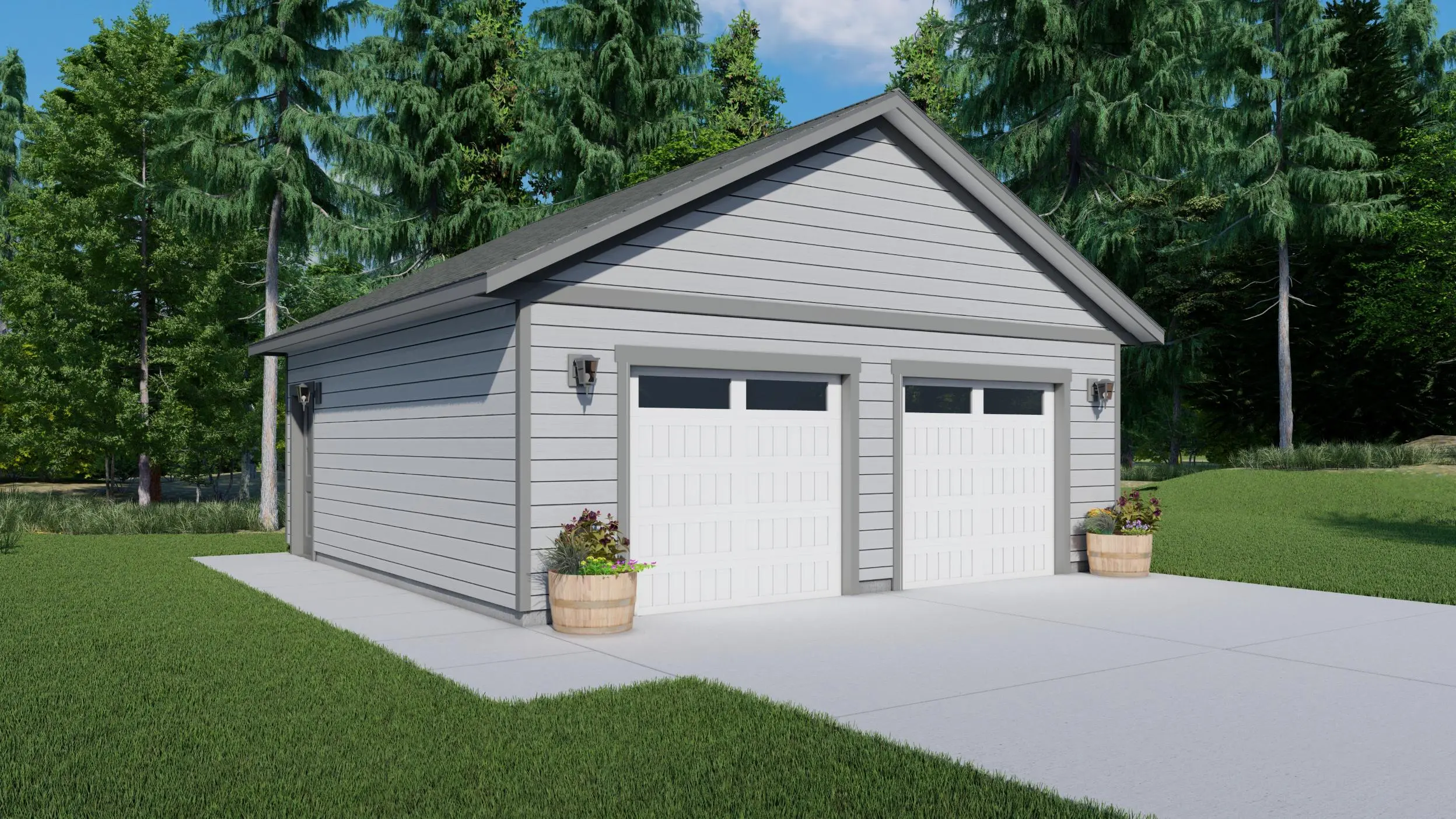
Two-Car Garage: Balanced option for families, offering extra room for storage or a workshop.
-
Three-Car or Larger Garages: Provide maximum space but incur higher construction costs.
Choice of Materials
Material selection impacts cost, durability, and maintenance:
-
Wood Framing: Affordable and customizable, but may require periodic upkeep.
-
Metal Buildings: Low-maintenance and strong, often cheaper upfront.
-
Brick or Concrete: Extremely durable but labor-intensive and more expensive.
Labor and Regional Differences
Labor costs vary significantly depending on your location. Urban areas often have higher labor rates and permit fees, while rural regions may be more affordable. Proper budgeting should consider both local wages and potential permit expenses.
Utilities and Finish Options
Incorporating electrical wiring, lighting, insulation, HVAC systems, and specialty doors improves usability but adds to overall costs. Decide which features are necessary versus optional to avoid exceeding your budget.
Step-by-Step Process for Building a Garage
Step 1 – Plan and Set a Budget
Define your needs, the number of vehicles, storage or workshop requirements, and preferred layout. Establish a clear budget that accounts for materials, labor, permits, and optional utilities.
Step 2 – Site Preparation
Clear and level the land, ensuring proper drainage and stable ground. Site preparation is critical for a durable foundation and long-lasting structure.
Step 3 – Lay the Foundation
Pour a concrete slab sized to the garage dimensions. Costs depend on soil type, thickness, reinforcement, and local material prices.
Step 4 – Frame the Walls and Roof
Construct the frame using your chosen materials. This phase involves walls, roof trusses, and sheathing. Skilled labor ensures stability and safety.
Step 5 – Install Doors, Windows, and Utilities
Install the main garage door, side entry doors, and windows. Include electrical outlets, lighting, and garage door openers. Optional insulation or HVAC systems increase comfort and usability.
Step 6 – Exterior Finishing
Apply siding, roofing, painting, and trim. Options include vinyl, wood, brick veneer, asphalt shingles, or metal roofing. Proper finishing enhances durability and aesthetic appeal.
Step 7 – Inspection and Cleanup
Complete any necessary inspections, obtain final approvals, and clean the construction site. A professional cleanup ensures safety and presentation, leaving your garage ready for use.
Common Mistakes to Avoid
-
Underestimating Space Needs: Plan for current and future storage or workshop requirements.
-
Choosing Low-Quality Materials: Cutting corners can lead to higher maintenance costs over time.
-
Ignoring Ventilation: Proper airflow prevents mold and moisture issues.
-
Over-Customizing: Excessive luxury features may exceed neighborhood norms and inflate costs unnecessarily.
Tips to Reduce Construction Costs
-
Stick to standard designs and sizes.
-
Compare multiple contractor bids to find the best pricing.
-
Choose durable yet affordable materials.
-
Avoid mid-project design changes to prevent extra expenses.
-
Consider building during off-peak seasons for potential labor savings.
Conclusion
Understanding the cost to build a garage is crucial before embarking on construction. Factors such as garage type, size, materials, labor, and optional features all impact the final budget. Resources like Mynex House Project help homeowners make informed decisions and plan efficiently.
A garage is more than just a place to park vehicles; it provides extra storage, increases home value, and can serve as a versatile workspace. By planning carefully and selecting appropriate materials and features, you can create a functional and long-lasting garage that enhances your property for years to come.