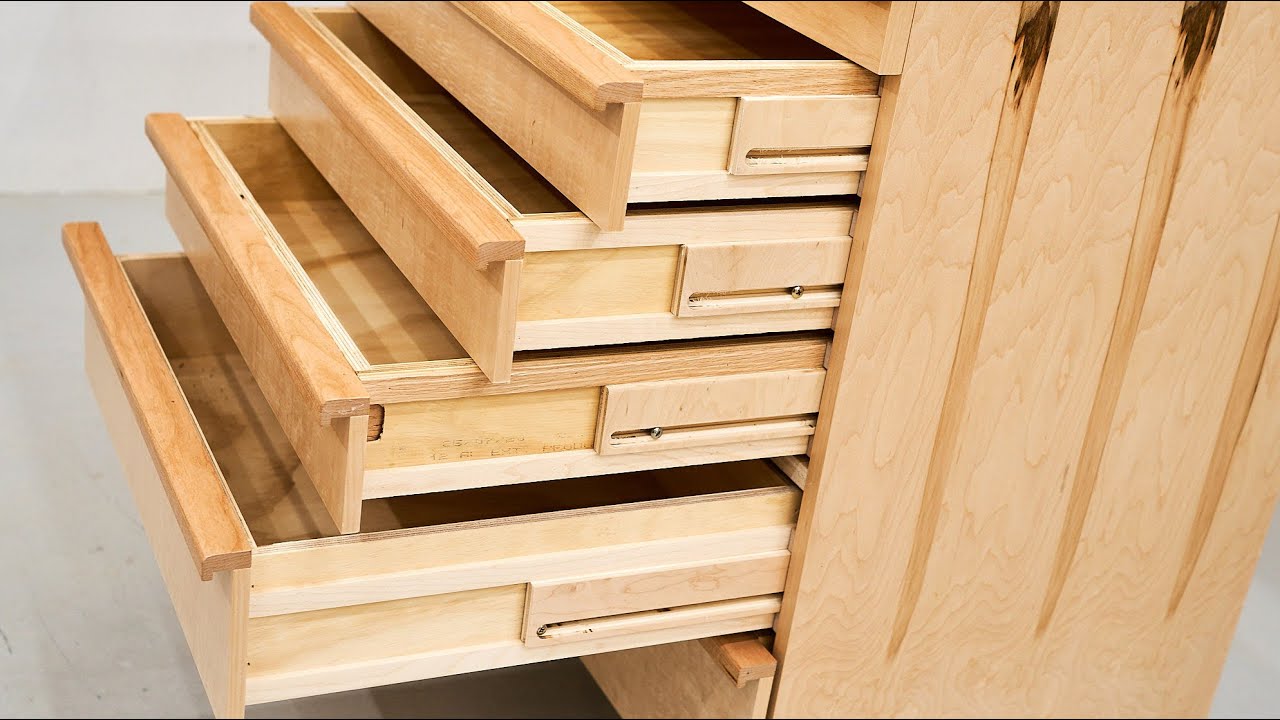
The performance and longevity of drawers heavily depend on the engineering precision of the slides used. A professional drawer slides manufacturer must carefully consider multiple factors, from materials and structural design to load capacity and user experience. These engineering choices ensure that the finished product operates smoothly, safely, and reliably across residential, commercial, and industrial furniture applications.
Engaging with a trusted Drawer Slides Manufacturer allows furniture designers and manufacturers to access components that are both durable and precisely engineered. Suppliers like Drawer Slides Manufacturer focus on combining structural strength, smooth operation, and long-term reliability in every product, ensuring high-quality results in finished furniture pieces.
Table of Contents
ToggleMaterial Selection and Durability
One of the first engineering considerations is the choice of materials. High-quality metals and alloys are commonly used for drawer slides due to their strength, resistance to wear, and ability to maintain alignment under load. Corrosion-resistant coatings are often applied to enhance longevity, particularly in environments exposed to moisture or frequent use.
Material selection directly impacts the drawer’s performance. A robust slide prevents bending, warping, or deformation, which can compromise both safety and functionality. A well-engineered slide ensures that drawers retain their smooth operation over years of repeated use.
Load Capacity and Structural Integrity
Load-bearing capacity is a critical factor for any drawer slide. Manufacturers engineer slides to support specific weight ranges while maintaining stability and alignment. The design of rails, ball-bearing mechanisms, and mounting components ensures that drawers do not sag or tip when fully extended or heavily loaded.
By testing different load scenarios, drawer slides manufacturers can confirm that their products meet the structural requirements for kitchens, offices, workshops, and industrial storage units. Reliable load capacity ensures that furniture remains safe and functional over its lifespan.
Precision Engineering and Smooth Movement
Smooth operation is a hallmark of high-quality drawer slides. Manufacturers incorporate precision-engineered components such as ball bearings, guided rails, and soft-close mechanisms to reduce friction and enhance glide. Tight tolerances in production ensure consistent alignment and minimize sticking or jamming during use.
This attention to detail ensures that drawers operate quietly and effortlessly, improving user satisfaction and extending the life of the furniture by reducing stress on both the slides and the cabinet structure.
Safety Features and Ergonomics
Safety is an essential consideration in slide design. Features such as anti-tilt mechanisms prevent drawers from tipping forward when fully extended, while soft-close slides protect fingers from accidental pinching and reduce impact noise. Ergonomic engineering ensures that slides open and close with minimal effort, enhancing usability for all users.
By incorporating these safety and ergonomic considerations, manufacturers create drawer slides that are not only functional but also comfortable and secure in everyday use.
Testing and Quality Assurance
To ensure consistent performance, drawer slides manufacturers implement rigorous testing protocols. Slides are evaluated under various weight loads, extended repeatedly, and exposed to environmental stressors such as humidity and temperature fluctuations. Quality assurance processes verify alignment, glide smoothness, and durability, ensuring that only reliable products reach the market.
These engineering-driven tests help identify potential weaknesses early, allowing manufacturers to refine designs and maintain high standards for performance and longevity.
Design Flexibility and Customization
Another engineering consideration is the adaptability of the drawer slide design. Manufacturers offer a range of options, including adjustable lengths, varying load ratings, and specialized mounting configurations. This flexibility allows designers to integrate slides into diverse furniture layouts, from modular units to custom cabinetry.
Customizable features ensure that slides can meet both functional requirements and aesthetic preferences without compromising performance.
Conclusion
A Drawer Slides Manufacturer plays a crucial role in the overall performance of furniture drawers by applying precise engineering principles. Material selection, load capacity, precision engineering, safety features, rigorous testing, and design flexibility all contribute to slides that operate smoothly, safely, and reliably. By considering these engineering factors, manufacturers provide furniture designers with components that enhance functionality, longevity, and user satisfaction, ensuring high-quality storage solutions across residential, commercial, and industrial applications.