

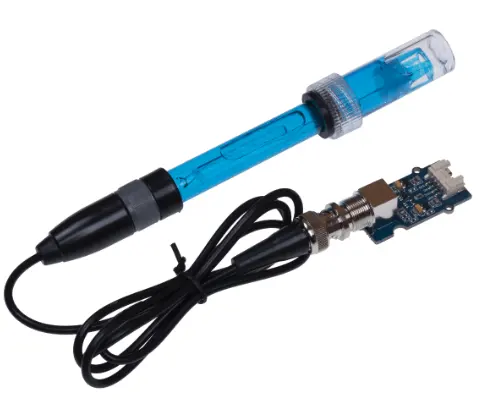
Accurate pH measurement is a cornerstone of water quality analysis in laboratories, ensuring that research, treatment, and regulatory processes are based on reliable data. In water laboratories, precise pH readings influence chemical dosing, environmental studies, and quality control procedures. Even slight deviations in pH can lead to inaccurate results, affecting treatment efficiency, experimental outcomes, and regulatory compliance.
High-resolution pH sensors offer the precision required for laboratory applications, detecting minute changes in acidity or alkalinity that standard sensors might miss. Their enhanced sensitivity makes them ideal for laboratories analyzing complex water samples, such as industrial effluents, groundwater, or surface water, where small chemical variations can have significant implications.
In professional laboratory settings, utilizing a pH Sensor for Water ensures that measurements are accurate, repeatable, and suitable for detailed analysis. These sensors provide real-time, high-resolution data, allowing laboratory technicians to detect subtle trends and variations in water chemistry. This precision is critical for research applications, regulatory testing, and process optimization.
Advantages of High-Resolution Measurement
High-resolution pH sensors can measure changes in pH down to 0.01 units or even finer, offering far greater detail than standard sensors. This level of precision is essential for laboratories conducting experiments that require exact chemical balances, such as titrations, chemical reaction monitoring, or microbiological studies. Accurate pH readings also enable scientists to assess water quality more thoroughly, identifying potential issues that may not be apparent with lower-resolution sensors.
Ensuring Consistency and Reliability
Laboratory work demands consistent and reliable data. High-resolution pH sensors are engineered to provide stable readings over extended periods, reducing drift and minimizing the need for frequent recalibration. Many advanced sensors feature temperature compensation, ensuring that measurements remain accurate even when water temperature fluctuates. This reliability is particularly important for comparative studies, longitudinal research, and quality control processes.
Supporting Complex Analytical Processes
Many water quality analyses involve complex chemical or biological reactions that are highly sensitive to pH. For example, the effectiveness of disinfection processes, precipitation reactions, or microbial activity can be directly influenced by slight pH variations. High-resolution pH sensors allow laboratory technicians to monitor these changes precisely, ensuring that processes are optimized and that experimental conditions remain consistent.
Minimizing Errors in Data Interpretation
Errors in pH measurement can lead to incorrect conclusions, wasted resources, and regulatory non-compliance. High-resolution sensors minimize these risks by providing accurate and repeatable readings. This level of precision is particularly valuable when testing water for compliance with stringent standards, such as drinking water regulations, effluent discharge limits, or laboratory research protocols.
Maintenance and Calibration Considerations
Maintaining high-resolution pH sensors is critical for ensuring long-term performance. Regular calibration using fresh, standardized buffer solutions is necessary to maintain accuracy. Proper storage, routine cleaning of electrodes, and inspection for wear or contamination help preserve sensor responsiveness. Laboratories often implement maintenance protocols to ensure that high-resolution pH sensors continue to deliver precise readings over time.
Integration with Laboratory Systems
Modern high-resolution pH sensors can be integrated with digital meters, data logging systems, and laboratory information management systems (LIMS). This integration allows for seamless data collection, trend analysis, and reporting. Automated data capture reduces human error, enhances efficiency, and supports compliance with documentation requirements for regulatory and research purposes.
Applications Across Laboratory Settings
High-resolution pH sensors are invaluable across various laboratory applications. Environmental laboratories use them to monitor rivers, lakes, and groundwater with precision. Industrial labs rely on them for process control, quality assurance, and effluent testing. Research institutions use high-resolution measurements to study chemical reactions, microbial processes, and water treatment methods in detail. Across all applications, these sensors enhance the accuracy, reliability, and credibility of laboratory results.
Conclusion
High-resolution pH sensors play a vital role in water laboratories by providing precise, reliable, and repeatable measurements. They support complex analyses, minimize errors, and ensure compliance with regulatory and research standards. Implementing a pH Sensor for Water with advanced resolution enhances laboratory efficiency, improves data accuracy, and contributes to better decision-making in environmental monitoring, industrial processes, and scientific research. Accurate pH measurement remains a foundational requirement for high-quality laboratory water analysis.

