

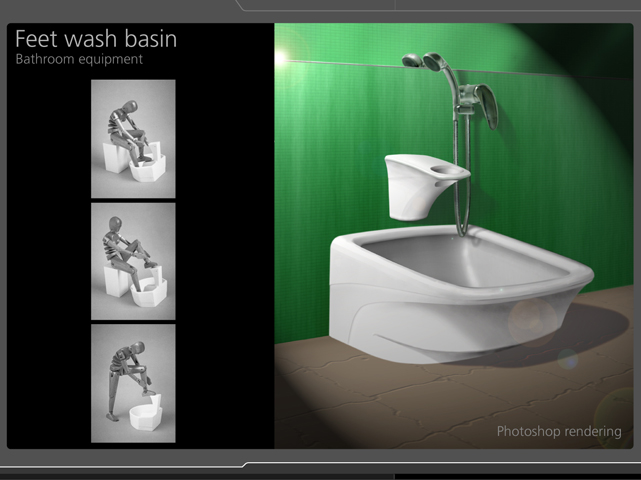
Performing wudu is an essential practice in daily life for Muslims, and the comfort of the process significantly impacts the overall experience. A well-designed Muslim foot washing sink can make ablution easier, more efficient, and enjoyable for users of all ages.
For instance, the Muslim foot washing sink integrates both an upper hand basin and a lower foot basin in a single unit, designed to optimize comfort and usability. Thoughtful height placement, ergonomic basin depth, and anti-slip surfaces allow users to perform wudu without unnecessary strain on the back or joints, creating a safer and more pleasant experience.
Choose the Right Height
One of the most important factors for comfort is the height of the sink. The upper hand basin should be positioned at a level that allows users to wash their hands without bending excessively, while the lower foot basin should enable washing without squatting too deeply. In spaces serving multiple users, adjustable or standard-height designs that accommodate a variety of body sizes can improve accessibility for children, adults, and the elderly.
Ensure Proper Foot Basin Depth
The depth of the foot basin directly affects comfort. A basin that is too shallow may require users to bend awkwardly, while one that is too deep may make it difficult to reach the water flow. Ergonomically designed basins strike a balance, allowing a natural posture while ensuring the feet are thoroughly washed. Integrated anti-slip textures or slight incline designs help maintain stability while standing in water.
Anti-Slip and Comfortable Flooring
Comfort extends beyond the sink itself. Water can spill onto the floor during wudu, increasing the risk of slipping. Installing non-slip mats or textured tiles around the sink area improves safety and reduces discomfort. Proper drainage and a slight slope in the surrounding flooring will help water flow away from walking areas, keeping feet dry and minimizing potential hazards.
Easy-to-Reach Water Controls
Faucet placement and control type play a key role in comfort. Sensor-activated faucets or easy-to-operate levers allow users to adjust water flow and temperature without awkward stretching or bending. Hands-free options reduce contact with taps, promoting hygiene while simplifying the ablution process. Properly positioned water controls make the wudu experience more fluid and comfortable.
Temperature Considerations
Water temperature can influence comfort during wudu, especially in colder climates. Some modern sinks allow for temperature regulation, ensuring that water is neither too hot nor too cold. Consistent, comfortable water temperature allows users to focus on the ritual without distraction, enhancing the overall experience.
Maintain Cleanliness and Accessibility
A clean, uncluttered wudu area contributes to comfort. Regular maintenance of the sink, basins, and surrounding space prevents unpleasant odors, water buildup, and slippery conditions. Accessibility features, such as sufficient space around the sink, also allow users to move freely, particularly in crowded facilities.
Additional Ergonomic Features
Some Muslim foot washing sinks include built-in seating, footrests, or angled basins to support better posture and reduce fatigue during wudu. These small ergonomic enhancements can greatly improve comfort for those with limited mobility, arthritis, or other physical challenges, ensuring that the ablution process remains accessible to all.
Conclusion
Improving comfort when using a Muslim foot washing sink involves attention to height, basin depth, anti-slip measures, faucet accessibility, and ergonomic design. Incorporating these features ensures that wudu is performed safely, efficiently, and comfortably, regardless of the user’s age or physical ability. Thoughtful planning and proper maintenance transform a simple foot washing sink into a practical and enjoyable facility for daily ablution.

