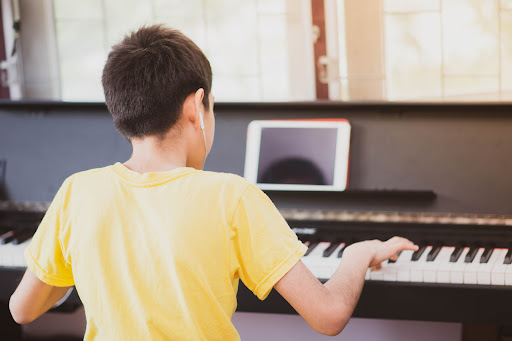
Learning to play the keyboard is a journey that combines creativity, discipline, and enjoyment. Many aspiring musicians in Singapore are now turning to structured lessons to develop their skills, understand music theory, and perform confidently. Keyboard classes provide an environment that nurtures both technical ability and musical expression, giving students the tools to excel.
Enrolling in keyboard classes Singapore offers a comprehensive approach to learning, combining hands-on practice with theory, performance, and personal guidance. These classes cater to all skill levels, from complete beginners to advanced players, ensuring that each student receives the support needed to achieve their musical goals.
Why Keyboard Classes Are Essential
Keyboard classes are more than just learning to play an instrument. They offer a range of benefits that enhance musical ability and personal development.
Improve Technical Skills
One of the key focuses in keyboard classes is developing proper hand technique, finger strength, and coordination. Students practice scales, chords, and arpeggios to build agility and independence between both hands. Structured lessons help prevent bad habits and ensure consistent progress.
Learn Music Theory
Understanding music theory is fundamental for any musician. Keyboard classes integrate theory with practical exercises, allowing students to read sheet music, understand chord progressions, and grasp rhythm patterns. This knowledge empowers students to play more complex pieces and even compose their own music.
Boost Confidence and Performance Ability
Regular keyboard classes often include performance opportunities, from informal recitals to group sessions. Playing in front of others builds confidence, improves timing, and develops stage presence. Students learn to handle pressure, adapt to mistakes, and enjoy performing, all of which are valuable life skills.
Versatility Across Music Genres
The keyboard is a highly versatile instrument. Lessons expose students to a wide range of genres, including classical, jazz, pop, and contemporary music. This versatility helps learners discover their musical preferences while expanding their repertoire.
What to Expect in Keyboard Classes
A well-structured keyboard class balances theory, technique, and practical performance. Typical elements include:
-
Warm-Up Exercises: Finger stretches, scales, and simple exercises to improve dexterity.
-
Technical Training: Chord structures, hand coordination, sight-reading, and finger independence.
-
Song Practice: Applying techniques to complete musical pieces with attention to rhythm and dynamics.
-
Theory and Ear Training: Understanding notation, rhythm, and intervals, while developing listening skills.
-
Performance Practice: Opportunities to play solo or in groups, enhancing confidence and ensemble skills.
Experienced instructors tailor classes to individual skill levels, ensuring a positive learning experience and steady progress.
Private vs. Group Classes
Private Keyboard Classes
Private sessions provide individualized instruction, allowing teachers to focus on a student’s strengths, weaknesses, and personal goals. Students receive immediate feedback, enabling rapid improvement in technique and musicality.
Group Keyboard Classes
Group classes foster collaboration, motivation, and peer learning. Students benefit from observing others, learning ensemble skills, and participating in joint performances. Group settings are engaging, cost-effective, and provide a social learning environment.
Tips for Maximizing Keyboard Learning
Consistent Practice
Regular practice is crucial for mastering the keyboard. Even 20–30 minutes daily helps build finger strength, coordination, and memorization skills.
Focus on Technique
Good posture, proper hand placement, and precise finger movements are essential. Paying attention to technique prevents injuries and enhances long-term proficiency.
Set Achievable Goals
Short-term goals, such as learning a specific song or mastering a scale, combined with long-term targets, like performing in a recital, help maintain motivation and track progress.
Engage Actively
Recording practice sessions, reviewing progress, and listening to other performances provide insights into improvement areas. Actively participating in class discussions and asking questions enhances understanding.
Long-Term Benefits
Keyboard classes contribute to both musical and personal development:
-
Cognitive Growth: Reading music, memorization, and hand coordination enhance memory and concentration.
-
Emotional Expression: Playing music is a creative outlet and helps manage stress.
-
Discipline: Structured lessons develop patience, consistency, and commitment.
-
Social Skills: Participating in group classes and ensembles strengthens teamwork and communication.
These benefits make keyboard classes an enriching experience, extending well beyond musical skills.
Choosing the Right Keyboard Class in Singapore
When selecting a program, consider instructor experience, lesson structure, class size, and flexibility. Programs offering both private and group sessions, performance opportunities, and a variety of musical genres provide a well-rounded learning experience. Ensuring the classes align with a student’s interests and goals maximizes engagement and long-term success.
Conclusion
Keyboard classes in Singapore offer a structured pathway to mastering an instrument while fostering creativity, confidence, and comprehensive musical understanding. With expert guidance, consistent practice, and performance opportunities, students can achieve significant technical progress while enjoying the journey of music. Enrolling in keyboard classes Singapore equips learners with the skills and knowledge to excel, whether aiming for personal enrichment, performance, or a professional music career. These classes provide a strong foundation for a lifelong love of music.