Steel channels are widely used in construction and manufacturing because they offer a practical combination of structural support, fabrication flexibility, and efficient material use. Their open cross-sectional design makes them suitable for framing systems, equipment supports, brackets, and other steel assemblies. Among the different available profiles, a 3-inch C channel is a useful option for projects that require a relatively compact structural section.
Choosing the right 3 Inch C Channel involves more than checking its nominal height. Flange width, material thickness, steel grade, and manufacturing method all influence its performance and suitability. Understanding these details helps contractors, engineers, and fabricators select the correct product for their structural requirements.
What Is a 3 Inch C Channel?
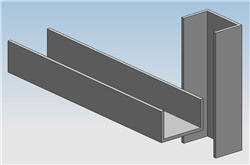
A 3-inch C channel is a steel section with a C-shaped cross-section and a nominal web height of approximately three inches. It consists of a central web and two flanges extending outward from one side. This configuration creates an open profile that can be connected to other components through welding, bolting, or suitable fastening systems.
The channel’s exact dimensions vary depending on the manufacturer and applicable product standard. Some sections have parallel flanges, while others feature tapered flanges or different corner radii.
A nominal three-inch size does not indicate the complete dimensions of the product. Buyers should always check the technical specifications before selecting a channel for a particular project.
Dimensions and Specifications of a 3 Inch C Channel
Several measurements determine the physical characteristics and structural properties of a C channel.
1. Web Height
The web is the central vertical part of the channel. For a nominal 3-inch C channel, the web height is approximately three inches, although the exact measurement depends on the product series.
Web height influences the overall depth of the section and its ability to fit into a structural assembly. It is particularly important when channels must align with other framing components.
2. Flange Width
The flanges extend from the web and provide surfaces for connecting the channel to other materials. Their width can vary between different channel designs.
Flange width should be considered when planning bolted connections, mounting brackets, or welded assemblies. Adequate clearance is also important when channels are installed in confined spaces.
3. Steel Thickness
Thickness refers to the measurement of the steel used to form the web and flanges. Depending on the manufacturing process, these measurements may be uniform or differ slightly across the section.
Thicker steel generally increases the channel’s cross-sectional area and can improve resistance to certain forms of deformation. However, structural performance also depends on the section geometry, material grade, and loading conditions.
4. Length
C channels are available in standard commercial lengths and may also be supplied in customized sizes. The required length depends on the project layout, transportation limitations, and installation requirements.
Selecting appropriate lengths can reduce cutting waste and simplify fabrication.
5. Weight per Meter or Foot
The weight of a 3-inch C channel depends on its dimensions and material thickness. This information is important when estimating total material requirements, transportation costs, and installation loads.
Manufacturers typically provide weight information in technical catalogs or product data sheets. These values should be used instead of estimating weight from nominal size alone.
Main Features of a 3 Inch C Channel
The C-shaped profile provides several features that make this section practical for different structural applications.
Open Cross-Sectional Design
The channel’s open profile provides convenient access to its web and flanges. This makes it easier to drill holes, attach brackets, and connect the section to other structural components.
However, open sections may be more susceptible to torsional effects than closed profiles. The design should account for this when the channel is subjected to eccentric or twisting loads.
Structural Support
A 3-inch C channel can provide support in lightweight and selected medium-duty assemblies, depending on its exact specifications. Its ability to resist bending and other forces depends on its cross-sectional properties and installation conditions.
It should not be assigned a load capacity based only on its nominal size.
Fabrication Flexibility
Steel channels can generally be cut, drilled, welded, and bolted using suitable fabrication methods. This allows manufacturers and contractors to adapt them to different frame designs and connection arrangements.
Appropriate fabrication procedures should be followed to maintain dimensional accuracy and material performance.
Compatibility With Other Steel Products
C channels can be combined with steel angles, plates, beams, tubes, and other profiles. This makes them useful in assemblies where several types of structural sections are required.
Manufacturing Methods and Material Options
The characteristics of a 3-inch C channel can vary depending on how it is manufactured and the material used.
Hot-Rolled C Channels
Hot-rolled channels are shaped from heated steel using rolling equipment. They are commonly selected for structural applications that require robust sections and standardized product dimensions.
Their specifications and mechanical properties depend on the steel grade and manufacturing standard.
Cold-Formed C Channels
Cold-formed channels are produced by shaping steel sheets or coils at room temperature. They are often used in lightweight construction, wall framing, roof systems, and equipment supports.
Their relatively thin profiles can be useful where weight and dimensional consistency are important considerations.
Galvanized C Channels
Galvanized channels have a zinc coating that helps protect steel against corrosion. They are suitable for many applications where moisture or outdoor exposure may affect the material.
The required coating specification depends on the operating environment and expected service conditions.
Stainless Steel C Channels
Stainless steel versions offer enhanced corrosion resistance in many environments. They may be selected for food-processing facilities, chemical installations, architectural components, and other applications where ordinary carbon steel may require more extensive protection.
Practical Uses of 3 Inch C Channels in Steel Structures
The relatively compact dimensions of a 3-inch channel make it suitable for several applications where a larger structural profile may not be necessary.
1. Lightweight Building Frames
C channels can be used in selected wall framing, secondary supports, partitions, and other lightweight building components. Cold-formed versions are particularly common in light-gauge construction.
The channel must be selected according to the expected loads, spacing, and connection requirements.
2. Roof and Wall Support Systems
In some construction systems, smaller C channels support roofing sheets, wall cladding, and related building materials. They can provide mounting surfaces for fasteners and help organize the supporting framework.
Wind loads, spacing, and connection strength should be considered during design.
3. Equipment Frames and Supports
Manufacturers may use 3-inch channels to create equipment stands, mounting brackets, machine supports, and compact steel frames.
Their open shape makes it convenient to incorporate connection plates and additional components into custom assemblies.
4. Storage and Shelving Structures
C channels can form parts of shelving frames, storage units, and support assemblies. Their suitability depends on the weight being carried and the design of the complete system.
For warehouse applications, load ratings and connection details should be properly evaluated.
5. Electrical and Mechanical Installations
Smaller channels may be incorporated into support systems for cable trays, pipes, ducts, and mechanical equipment. They can help provide organized mounting points and simplify installation work.
Protective coatings may be necessary where the channels are exposed to moisture or corrosive conditions.
6. Agricultural and Industrial Equipment
C channels can also be used in selected agricultural machinery, equipment platforms, protective frames, and maintenance structures. The material grade and thickness should reflect the operating environment and expected mechanical stresses.
Benefits of Using a 3 Inch C Channel
Selecting a suitable 3-inch channel can provide several practical advantages.
- Space efficiency: Its compact profile can fit into smaller assemblies where larger sections may be difficult to install.
- Convenient fabrication: The open design supports common cutting, drilling, welding, and fastening operations.
- Flexible applications: It can be incorporated into building components, equipment supports, and storage systems.
- Material efficiency: The shaped profile provides useful structural properties without requiring a solid steel section.
- Connection versatility: Its web and flanges provide accessible surfaces for joining other components.
- Multiple material options: Channels are available in different steel grades and protective finishes to suit various conditions.
The benefits depend on selecting a section that meets the actual design requirements rather than choosing a product based on nominal size alone.
How to Select the Right 3 Inch C Channel
Before purchasing or specifying a channel, consider the following factors:
- Confirm the dimensions: Verify web height, flange width, web thickness, and flange thickness using the manufacturer’s technical drawing.
- Identify the application: Determine whether the channel will be used for framing, equipment support, storage, or another purpose.
- Evaluate the loads: Consider bending, shear, compression, deflection, and potential torsional forces.
- Choose the material grade: Ensure that the steel has the required mechanical properties for the intended service.
- Review corrosion exposure: Select an appropriate coating or corrosion-resistant material for the installation environment.
- Check connection requirements: Confirm that the channel dimensions are compatible with brackets, bolts, plates, and other components.
- Compare supplier specifications: Review manufacturing standards, tolerances, product availability, and material documentation.
For load-bearing structures, a qualified engineer should verify the channel’s capacity, stability, deflection, and connection design.
Comparing a 3 Inch C Channel With Other Steel Profiles
A 3-inch C channel may be compared with angle sections, I-beams, and rectangular hollow sections when planning a steel structure.
Angle sections have two perpendicular legs and are commonly used for brackets, connections, and bracing. I-beams are generally more efficient for resisting bending about their strong axis and are often used as primary structural members. Rectangular hollow sections have closed profiles that can provide greater torsional resistance than open channels.
A C channel is useful when an open profile and accessible connection surfaces are important. The final selection should reflect the direction of loading, available space, fabrication requirements, and structural design.
Storage and Maintenance Considerations
Proper storage and maintenance help preserve the condition of steel channels before and after installation.
Channels should be stored on stable supports, kept away from standing water, and protected from excessive exposure to corrosive materials. Where protective coatings are used, handling and installation should avoid unnecessary damage to the surface.
Periodic inspections can help identify corrosion, deformation, loose connections, or other signs of deterioration. Any damaged areas should be assessed and repaired using methods appropriate for the material and coating system.
Conclusion
A 3-inch C channel is a practical steel profile for lightweight framing, equipment supports, storage systems, and various secondary structural applications. Its compact C-shaped design offers fabrication flexibility and convenient connection surfaces, making it useful in projects where space and material efficiency matter.
The right selection depends on exact dimensions, steel thickness, material grade, loading conditions, and environmental exposure. Reviewing manufacturer specifications and obtaining appropriate engineering verification helps ensure that the selected channel is suitable for its intended use.