In cosmetics and skincare manufacturing, precise control of formulation parameters is critical to ensure product safety, stability, and efficacy. Among these parameters, pH plays a vital role in determining the texture, performance, and skin compatibility of creams, lotions, serums, and other personal care products. Even minor deviations in pH can affect product consistency, microbial stability, and overall consumer satisfaction.
Skincare products are designed to interact with the skin’s natural acid mantle, which typically has a pH around 4.5 to 5.5. Products with incorrect acidity levels may cause irritation, dryness, or allergic reactions. Additionally, pH influences the stability of active ingredients such as vitamins, peptides, and acids. Maintaining an optimal pH throughout production ensures that these components remain effective and safe.
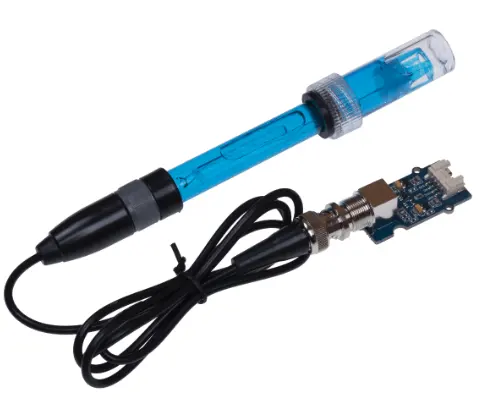
A reliable solution for achieving accurate measurements is the pH sensor, which measures hydrogen ion concentration in liquids and semi-solid formulations. Integrating these sensors into production lines allows manufacturers to monitor pH in real-time, ensuring consistent product quality and reducing the risk of formulation errors. Their precision and responsiveness are particularly valuable during large-scale batch production.
Importance of pH Control in Cosmetics
Maintaining proper pH is essential for both product stability and consumer safety. High or low pH levels can lead to ingredient degradation, phase separation, or reduced shelf life. For example, emulsions may break down if the pH is not properly balanced, resulting in poor texture or separation of oil and water components. Monitoring and adjusting pH ensures that the final product meets quality standards and performs as intended.
Moreover, pH control is crucial for preventing microbial contamination. Many preservatives in cosmetics are effective only within specific pH ranges. Accurate pH monitoring ensures that preservatives function optimally, extending product shelf life and maintaining safety for consumers.
Types of pH Sensors Used in Skincare Production
Cosmetic and skincare manufacturers use different types of pH sensors depending on the formulation and production requirements. Glass electrode sensors are widely used in laboratories for testing raw materials and finished products due to their high accuracy and stability. They are ideal for water-based and semi-solid formulations.
ISFET (Ion-Sensitive Field-Effect Transistor) sensors are suitable for inline production monitoring. These solid-state sensors are robust, resistant to chemical interference, and provide rapid measurements, making them ideal for automated production lines. Combination sensors that integrate measuring and reference electrodes in a single unit are also popular for continuous monitoring during batch processing.
Integration in Automated Production Systems
Modern cosmetic manufacturing often relies on automation to ensure consistency and efficiency. Integrating pH sensors into automated systems allows real-time monitoring and adjustment of formulations. Sensors can communicate with dosing pumps or mixers, automatically adding acids or bases to maintain target pH levels without manual intervention.
Data logging and digital monitoring platforms enhance process control, enabling manufacturers to track trends, analyze variations, and maintain records for regulatory compliance. This integration supports consistent quality across multiple batches and reduces the likelihood of costly production errors.
Benefits of Using pH Sensors
The use of pH sensors in cosmetics and skincare production offers multiple benefits. They provide accurate and continuous measurements, ensuring that formulations remain within desired ranges. Real-time monitoring improves process efficiency, reduces manual labor, and minimizes errors. By maintaining the correct pH, manufacturers protect ingredient stability, enhance product performance, and ensure consumer safety.
Furthermore, sensors enable proactive quality management. By detecting deviations early, manufacturers can take corrective actions immediately, preventing defective batches and reducing waste. Long-term monitoring also supports research and development, helping to optimize formulations and improve product efficacy.
Maintenance and Best Practices
To ensure consistent accuracy, pH sensors require regular calibration using standard buffer solutions. Cleaning electrodes after use prevents contamination from viscous or oily formulations. Choosing sensors compatible with specific cosmetic ingredients and production environments enhances longevity and performance.
Proper installation and protective housing are essential for sensors used in automated production lines, where exposure to mechanical stress or high-speed mixing could otherwise compromise measurement reliability.
Conclusion
pH sensors are indispensable tools in cosmetics and skincare production, enabling accurate, real-time monitoring of acidity levels in formulations. By maintaining optimal pH, these sensors ensure ingredient stability, product safety, and consistent quality. Integration with automated systems enhances efficiency and reduces the risk of errors, making pH monitoring a fundamental component of modern skincare manufacturing. Proper maintenance and calibration further guarantee reliable performance, supporting the creation of high-quality products that meet both regulatory standards and consumer expectations.