The shipbuilding industry depends on materials that can withstand demanding operating conditions, including high mechanical loads, vibration, moisture, temperature changes, and exposure to seawater. Piping systems are particularly important because they transport fuel, lubricants, cooling water, steam, compressed air, and other essential fluids throughout a vessel. Selecting reliable pipe materials is therefore critical for maintaining operational safety and long-term performance.
Among the materials used in marine engineering, Shipbuilding Seamless Steel Pipes are valued for their uniform construction, mechanical strength, and suitability for demanding pressure applications. Manufactured without a welded seam, these pipes provide consistent structural characteristics when produced and inspected according to the required specifications. Understanding their manufacturing methods, quality standards, marine applications, and performance requirements helps shipbuilders and marine engineers select appropriate piping solutions.
What Are Shipbuilding Seamless Steel Pipes?
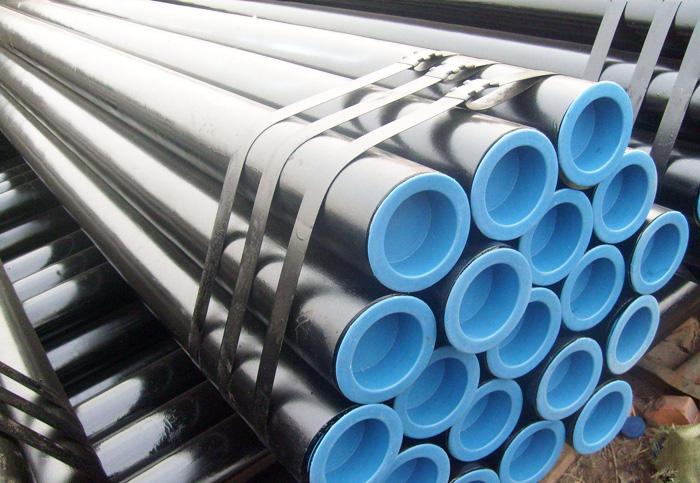
Shipbuilding seamless steel pipes are tubular products manufactured from solid steel billets without joining the edges of a rolled steel plate or strip. Their seamless construction makes them suitable for applications where consistent material integrity and reliable pressure performance are important.
These pipes are produced in different diameters, wall thicknesses, lengths, and steel grades according to engineering requirements. Their properties depend on the selected steel composition, manufacturing process, heat treatment, and inspection procedures.
In shipbuilding, seamless pipes may be used in systems that handle water, fuel, hydraulic fluids, lubricants, steam, and other operating media. The final material selection must consider the pressure, temperature, fluid characteristics, and applicable classification requirements.
Manufacturing Process of Seamless Steel Pipes
The manufacturing process influences the dimensional accuracy, mechanical properties, and overall quality of seamless pipes.
1. Steel Billet Selection
Production begins with selecting a solid steel billet that meets the required chemical composition and quality specifications.
The billet must have suitable material characteristics to achieve the desired strength, ductility, and resistance to operating conditions.
2. Heating
The billet is heated in a controlled furnace until it reaches the temperature required for hot forming.
Consistent heating helps ensure that the steel can be pierced and shaped without introducing unnecessary material defects.
3. Piercing and Pipe Formation
A piercing mill creates a hollow opening through the heated billet. The hollow shell is then elongated and rolled to achieve the required outside diameter and wall thickness.
This process produces a continuous tubular structure without a longitudinal welded seam.
4. Sizing and Finishing
The pipe passes through sizing equipment to achieve the specified dimensions.
Depending on the manufacturing route, additional processes may include straightening, cutting, surface finishing, and end preparation.
5. Heat Treatment
Heat treatment may be performed to develop the required mechanical properties and improve material consistency.
The treatment method depends on the steel grade, product specification, and intended application.
6. Inspection and Testing
Finished pipes undergo dimensional checks, visual examination, and specified mechanical or non-destructive testing.
These inspections help verify that the products meet the relevant technical and quality requirements before delivery.
Quality Standards for Shipbuilding Seamless Steel Pipes
Marine piping materials must comply with applicable technical standards and vessel classification requirements. These requirements help ensure that materials are suitable for their intended service conditions.
Classification Society Requirements
Shipbuilding materials are commonly subject to the rules of recognized classification societies.
Organizations such as the American Bureau of Shipping (ABS), Lloyd’s Register (LR), DNV, and Bureau Veritas (BV) publish requirements covering material approval, testing, inspection, and certification.
The applicable rules depend on the vessel type, piping system, service conditions, and classification society.
ASTM Standards
ASTM specifications define requirements for different types of steel pipes, including chemical composition, mechanical properties, manufacturing processes, and testing.
Depending on the intended application, relevant specifications may include:
- ASTM A106: Seamless carbon steel pipe for high-temperature service.
- ASTM A53: Carbon steel pipe suitable for specified pressure and mechanical applications.
- ASTM A333: Seamless and welded steel pipe designed for low-temperature service.
- ASTM A312: Seamless, welded, and heavily cold-worked austenitic stainless steel pipe.
Not every ASTM specification is automatically approved for every marine piping system. Engineers must verify the applicable design code and classification requirements.
EN Standards
European standards may also be relevant to marine pipe procurement and manufacturing.
Examples include EN 10216, which covers seamless steel tubes for pressure purposes in different material categories. The appropriate part and grade depend on the required service conditions.
Material Certification
Material traceability is an important part of shipbuilding quality control.
Mill test certificates generally document chemical composition, mechanical test results, manufacturing information, and relevant inspection details. Additional approval documents may be required by the vessel’s classification society or project specifications.
Marine Applications of Seamless Steel Pipes
Ships contain extensive piping networks that support propulsion, power generation, safety, and daily vessel operations.
1. Fuel Supply Systems
Fuel piping transports marine fuel from storage tanks to engines, boilers, and associated equipment.
The selected pipe material must be compatible with the fuel, operating pressure, temperature, and applicable fire-safety requirements.
2. Cooling Water Systems
Cooling systems help regulate the temperature of engines, generators, and other onboard machinery.
Seamless steel pipes may be used in selected cooling-water lines, depending on the system design and corrosion-control requirements. Seawater applications require particular attention to material compatibility and protective measures.
3. Hydraulic Systems
Hydraulic systems operate steering equipment, lifting machinery, stabilizers, and other shipboard mechanisms.
These systems may require pipes with precise dimensions, appropriate wall thickness, and reliable pressure performance.
4. Steam and Boiler Systems
Steam piping carries heated steam from boilers to machinery and auxiliary equipment.
High-temperature applications require materials with suitable strength, thermal stability, and resistance to the effects of prolonged heat exposure.
5. Lubrication Systems
Lubrication lines distribute oil to engines, bearings, gearboxes, and other moving components.
The piping must maintain reliable flow while withstanding operating temperatures and system pressure.
6. Compressed Air Systems
Compressed air supports pneumatic controls, engine starting, maintenance equipment, and other onboard functions.
Pipe selection should account for operating pressure, moisture management, and the condition of the compressed air.
7. Firefighting and Safety Systems
Marine fire protection systems rely on dependable piping to distribute water or other approved extinguishing media.
Material selection and installation must comply with the relevant vessel safety regulations and classification requirements.
Performance Requirements in Marine Environments
Shipboard operating conditions can be demanding, making material performance a major consideration during pipe selection.
Mechanical Strength
Pipes must withstand internal pressure, external loads, vibration, and mechanical stress.
The required strength depends on the design pressure, temperature, pipe dimensions, support arrangement, and applicable engineering code.
Corrosion Resistance
Marine environments expose materials to moisture, salt, and potentially corrosive fluids.
Carbon steel pipes generally require suitable coatings, linings, corrosion allowances, or other protective measures where specified. For seawater service, engineers may select alternative materials based on corrosion severity and system requirements.
Temperature Resistance
Piping systems can operate across a wide temperature range.
Boiler and steam lines require materials capable of maintaining suitable mechanical properties at elevated temperatures. Other systems may need to withstand low-temperature operating conditions.
Pressure Performance
The pipe wall thickness and material grade must be appropriate for the intended operating and design pressures.
Engineers also consider temperature-related changes in allowable stress, corrosion allowance, and relevant safety factors.
Vibration and Fatigue Resistance
Ships experience vibration from propulsion machinery, pumps, generators, and wave-induced movement.
Piping layouts, supports, joints, and material properties must be considered together to reduce excessive stress and fatigue-related damage.
Dimensional Accuracy
Correct outside diameter, wall thickness, straightness, and end preparation are essential for reliable installation.
Dimensional consistency helps maintain proper alignment and supports the integrity of pipe connections.
Seamless Steel Pipes vs. Welded Steel Pipes in Shipbuilding
Both seamless and welded pipes are used in marine engineering. The choice depends on the system’s operating conditions, design requirements, approved material specifications, and cost considerations.
| Comparison Factor | Seamless Steel Pipes | Welded Steel Pipes |
|---|---|---|
| Manufacturing method | Formed from a solid billet | Produced by joining formed steel edges |
| Longitudinal seam | No welded longitudinal seam | Contains a welded seam |
| Structural consistency | No longitudinal weld region | Weld quality depends on manufacturing and inspection |
| Typical applications | Selected pressure and demanding service systems | General piping and applications permitted by design codes |
| Inspection requirements | Requires specified material and product testing | Includes weld-related inspection where applicable |
A seamless pipe is not automatically superior for every marine application. Properly manufactured and qualified welded pipes can also meet demanding requirements when permitted by the relevant standards and design rules.
Factors to Consider When Selecting Shipbuilding Seamless Steel Pipes
Selecting the correct pipe requires a detailed review of technical specifications and operating conditions.
- Material grade: Choose a steel grade with suitable mechanical and chemical properties for the intended service.
- Operating pressure: Confirm that the pipe dimensions and material properties satisfy design pressure requirements.
- Temperature range: Evaluate whether the pipe can maintain its required performance at operating and design temperatures.
- Corrosion exposure: Consider seawater, humidity, chemicals, and the need for coatings or corrosion allowances.
- Pipe dimensions: Verify the outside diameter, wall thickness, length, and connection requirements.
- Applicable standards: Identify the required ASTM, EN, or other relevant material specifications.
- Classification approval: Confirm whether the vessel’s classification society requires specific material approvals or certificates.
- Testing and traceability: Review inspection reports, material test certificates, and identification requirements.
- Installation conditions: Consider vibration, supports, bending, welding procedures, and accessibility for maintenance.
Evaluating these factors helps ensure that the selected pipes are compatible with the complete piping system rather than simply meeting general material specifications.
Inspection and Testing Procedures
Quality assurance is essential because piping failures can affect vessel operations, equipment reliability, and crew safety.
Common inspection and testing procedures include:
Chemical Composition Analysis
Chemical analysis verifies that the steel contains the required proportions of carbon, manganese, silicon, and other alloying elements.
Tensile Testing
Tensile testing measures properties such as yield strength, tensile strength, and elongation.
These results help confirm whether the material meets the specified mechanical requirements.
Hardness Testing
Hardness testing evaluates resistance to localized deformation and may be required for particular grades or manufacturing conditions.
Hydrostatic Testing
Hydrostatic testing uses pressurized liquid to assess the pressure integrity of the pipe where required by the applicable specification.
Non-Destructive Testing
Depending on the product specification and inspection plan, non-destructive testing may include ultrasonic testing, electromagnetic testing, or other approved examination methods.
Dimensional and Visual Inspection
Inspectors check pipe dimensions, straightness, surface condition, and end preparation.
These checks help identify manufacturing irregularities that could affect installation or performance.
Storage, Handling, and Maintenance
Correct storage and handling help prevent damage before seamless pipes are installed onboard.
Pipes should be stored on suitable supports in a clean, dry location. Protective covers and end caps can help limit contamination and moisture entry during transportation and storage.
During handling, lifting equipment should be selected according to pipe dimensions and weight. Dragging pipes across hard surfaces should be avoided because it can damage the surface and protective coatings.
After installation, regular inspection helps identify corrosion, leakage, vibration-related damage, and deterioration around supports or connections. Maintenance schedules should follow the vessel’s planned maintenance procedures and applicable marine regulations.
Protective coatings, corrosion-control systems, and suitable replacement procedures should be maintained according to the operating environment.
Conclusion
Shipbuilding seamless steel pipes play an important role in the safe and efficient operation of marine piping systems. Their seamless construction, available material grades, and range of dimensional options make them suitable for selected applications involving fuel, cooling water, steam, lubrication, hydraulics, and compressed air.
However, reliable performance depends on more than manufacturing method alone. Material selection, corrosion protection, pressure and temperature requirements, classification rules, inspection procedures, and installation quality all influence the service life of a marine piping system.
By evaluating these factors carefully and selecting products that meet the relevant technical and classification requirements, shipbuilders and marine engineers can support dependable vessel performance and long-term operational safety.