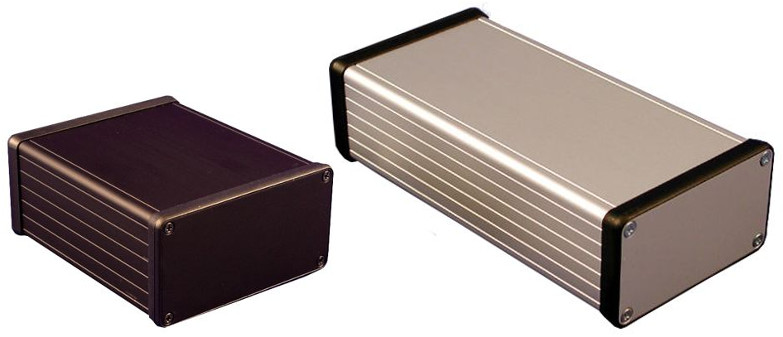
Aluminium extrusion enclosures are widely used in industrial and electronic systems due to their modular design, structural strength, and excellent adaptability. Manufactured through a controlled extrusion process, these enclosures provide flexible housing solutions for sensitive equipment that requires protection, thermal efficiency, and long-term durability.
Working with an experienced aluminium enclosure manufacturer ensures that each design is engineered to meet specific operational requirements. An aluminium extrusion enclosure can be customized in multiple forms and applied across various industries, making it one of the most versatile enclosure solutions available today.
Table of Contents
ToggleUnderstanding Aluminium Extrusion Enclosures
Aluminium extrusion enclosures are built using extruded aluminium profiles that are cut, machined, and assembled into protective housings. Unlike traditional sheet metal enclosures, extrusion-based systems offer greater flexibility in design and structure.
They are commonly used for:
- Electronic instrumentation systems
- Industrial automation equipment
- Power control units
- Communication and networking devices
- Testing and measurement systems
Their modular nature allows engineers to modify and adapt designs based on application needs.
Common Types of Aluminium Extrusion Enclosures
Aluminium extrusion enclosures come in different structural types depending on their application and design requirements. Each type offers unique benefits in terms of accessibility, protection, and functionality.
1. Standard Modular Enclosures
These are general-purpose enclosures used in a wide range of industrial applications. They feature simple modular structures that allow easy assembly and modification.
Key features include:
- Flexible sizing options
- Basic internal mounting systems
- Suitable for general electronic protection
2. Rack-Mounted Extrusion Enclosures
Rack-mounted designs are commonly used in data centers, communication systems, and industrial control setups. They are designed to fit standardized rack systems.
Key features include:
- Standard rack compatibility
- Easy integration into server systems
- Efficient space utilization
3. Handheld and Portable Enclosures
These enclosures are designed for mobile or portable electronic devices used in field operations and testing environments.
Key features include:
- Lightweight construction
- Ergonomic design for portability
- Durable protection for mobile electronics
4. Heat Dissipating Enclosures
These are designed with enhanced thermal management features for high-power electronic systems.
Key features include:
- Optimized airflow or fin structures
- Efficient heat dissipation
- Suitable for power electronics and automation systems
Industrial Applications of Aluminium Extrusion Enclosures
Aluminium extrusion enclosures are used across multiple industries due to their adaptability and durability. Their ability to protect sensitive components in challenging environments makes them highly valuable in modern industrial systems.
Industrial Automation
Used in control systems, PLC housings, and robotic equipment, these enclosures ensure stable performance and protection from dust, vibration, and heat.
Telecommunications
They are widely used in network equipment, signal distribution systems, and communication infrastructure where EMI protection and reliability are essential.
Energy and Power Systems
In renewable energy and power distribution systems, extrusion enclosures protect inverters, battery systems, and control units from environmental exposure.
Transportation Systems
These enclosures are used in railway control systems, electric vehicles, and onboard electronic modules that require lightweight and durable protection.
Industrial Instrumentation
Precision measurement and monitoring devices rely on extrusion enclosures for stable housing and protection from mechanical or environmental interference.
Design Advantages of Extrusion-Based Systems
The extrusion process provides several engineering advantages that make these enclosures suitable for advanced applications.
Key design benefits include:
- Modular construction for easy modification
- High strength-to-weight ratio
- Excellent thermal conductivity
- Flexible internal configuration options
- Consistent structural precision
These advantages allow engineers to develop highly specialized enclosure systems for complex industrial requirements.
Customization in Extrusion Enclosures
One of the most important features of aluminium extrusion enclosures is their high level of customization. Manufacturers can modify designs to meet specific technical requirements.
Customization options include:
- Precision cutouts for connectors and interfaces
- Internal mounting rails and partitions
- Surface finishing such as anodizing or powder coating
- EMI shielding enhancements
- Custom sizes and structural configurations
This flexibility makes them suitable for both standard and highly specialized applications.
Conclusion
Aluminium extrusion enclosures offer a wide range of types and applications, making them one of the most versatile solutions in modern industrial and electronic systems. From modular designs to heat-dissipating structures, they provide reliable protection and adaptability across multiple industries.
By partnering with a professional aluminium enclosure manufacturer, businesses can ensure that every extrusion enclosure is designed with precision, durability, and application-specific performance in mind. As industrial systems continue to evolve, aluminium extrusion enclosures will remain essential for delivering efficient and flexible enclosure solutions.