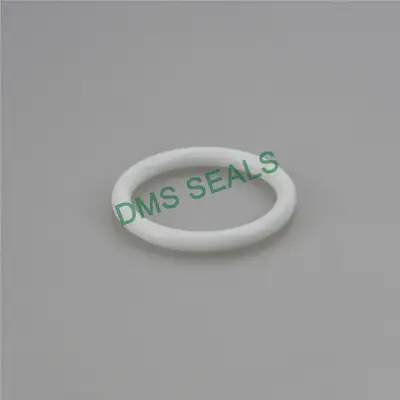
O-rings are essential components in many industrial systems, helping prevent fluid and gas leakage in equipment that operates under different pressures, temperatures, and environmental conditions. Although these seals are often small, their reliability can have a significant impact on equipment performance, maintenance costs, and production continuity. For businesses that use O-rings regularly, finding a dependable source is therefore an important procurement decision.
Selecting an experienced O Ring Seal Supplier involves more than comparing product prices or checking immediate stock availability. Long-term supply requirements call for consistent product quality, suitable material options, dependable manufacturing capacity, and clear communication. A supplier that can meet these expectations helps businesses maintain stable operations and reduce the risks associated with repeated purchasing.
Why Long-Term Supplier Selection Matters
Businesses that depend on sealing components need a reliable supply arrangement. Unexpected shortages, inconsistent product specifications, or extended delivery times can interrupt maintenance schedules and production activities.
A stable supplier relationship offers several advantages:
- Consistent product specifications: Repeat orders can match previously approved dimensions and materials.
- More predictable procurement: Established ordering processes make it easier to plan inventory.
- Reduced sourcing effort: Buyers spend less time repeatedly evaluating new suppliers.
- Better technical coordination: Familiarity with equipment requirements can simplify future orders.
- Improved production planning: Reliable lead times support maintenance and manufacturing schedules.
These benefits become particularly important for companies that purchase O-rings in bulk or operate multiple machines with similar sealing requirements.
Evaluate Product Quality and Manufacturing Standards
Product quality should be one of the first considerations when comparing suppliers. O-rings must maintain their sealing properties under the conditions for which they are designed. Variations in material composition, dimensions, or manufacturing quality can lead to premature failure.
A supplier should have defined procedures for checking finished products and maintaining consistent production standards.
Dimensional Accuracy
The inside diameter and cross-sectional thickness determine how an O-ring fits into its designated groove. Incorrect dimensions can result in insufficient compression, excessive stretching, or installation difficulties.
Ask whether the supplier can maintain the tolerances required by your technical drawings or applicable specifications.
Material Consistency
The elastomer compound affects resistance to temperature, pressure, chemicals, and mechanical wear. Consistent material properties are important when ordering the same product over an extended period.
Buyers should request relevant material specifications and confirm that repeat batches will use the approved compound.
Inspection and Testing
Depending on the application, quality checks may include:
- Dimensional measurements
- Hardness testing
- Visual inspection
- Tensile strength and elongation testing
- Compression set evaluation
- Heat and aging resistance tests
The appropriate inspection plan depends on the product and its operating environment. Suppliers should be able to explain which checks are performed and what documentation is available.
Consider Material Availability and Product Range
A long-term supplier should offer access to the materials and sizes needed for current and future applications. Businesses may use several elastomer types across different machines, making product range an important purchasing consideration.
Common O-ring materials include:
Nitrile Rubber (NBR)
NBR is widely used in hydraulic equipment, automotive systems, and general industrial applications. It provides useful resistance to many petroleum-based oils and fuels.
Fluorocarbon Rubber (FKM)
FKM is often selected for applications involving elevated temperatures, oils, fuels, and certain chemicals. The specific formulation should be checked against the operating environment.
EPDM
EPDM is commonly used in water systems, outdoor equipment, and applications requiring resistance to weathering and ozone. Its compatibility with the actual fluid must be confirmed.
Silicone
Silicone is useful in applications that require flexibility across a broad temperature range. Its mechanical and abrasion properties should also be considered when selecting it for a particular use.
A supplier with a suitable range of standard and specialized compounds can make future sourcing more straightforward.
Check the Supplier’s Production Capacity
Long-term supply arrangements depend on a supplier’s ability to meet both routine and changing order volumes. A company may initially need small quantities but require larger production runs as operations expand.
Before establishing a purchasing relationship, assess the supplier’s manufacturing capabilities.
Important considerations include:
- Available molding and production methods
- Capacity for standard and custom O-rings
- Ability to handle bulk orders
- Tooling and mold development capabilities
- Production scheduling procedures
- Management of urgent or repeat orders
It is also useful to ask how the supplier handles periods of increased demand. A clear understanding of production capacity helps businesses avoid relying on assumptions about future availability.
Assess Inventory Management and Delivery Reliability
Even a technically capable supplier may not be suitable if products cannot be delivered when needed. Delivery performance is especially important for businesses that operate continuous production lines or maintain equipment with limited spare-part inventories.
When evaluating logistics, consider the following:
- Lead times: Understand the typical time required for standard and custom products.
- Stock availability: Check whether frequently ordered sizes and materials are regularly maintained.
- Order tracking: Confirm how buyers receive updates about production and shipment progress.
- Packaging: Ensure products are protected from contamination, damage, and unsuitable storage conditions.
- Delivery flexibility: Discuss whether the supplier can support scheduled or recurring shipments.
For high-volume users, planned deliveries can help balance storage costs with the need to maintain sufficient inventory.
Look for Technical Support and Application Knowledge
O-ring selection can become complicated when equipment operates under demanding conditions. Factors such as chemical compatibility, groove design, temperature fluctuations, and pressure can influence sealing performance.
A reliable supplier should be able to discuss these requirements and provide relevant product information.
Technical support may include:
- Reviewing application details and operating conditions
- Helping identify suitable elastomer materials
- Checking dimensions against technical drawings
- Advising on custom manufacturing requirements
- Providing samples for evaluation
- Supplying relevant product specifications
This support can help purchasing teams avoid selecting products based only on size or general material descriptions.
Understand Custom Manufacturing Capabilities
Standard O-rings are suitable for many applications, but specialized equipment may require non-standard dimensions, material formulations, or particular performance characteristics.
A supplier with custom manufacturing capabilities can support these requirements without forcing buyers to compromise on the original design.
Before placing a custom order, confirm:
- Whether technical drawings or physical samples can be reviewed
- Which dimensions and tolerances can be produced
- Whether the required elastomer is available
- How tooling costs are calculated
- Whether pre-production samples can be inspected
- How approved specifications will be retained for repeat orders
Documenting the final design is particularly important for long-term purchasing. It helps ensure that future production follows the same agreed requirements.
Compare Total Procurement Costs, Not Just Unit Prices
Price is an important factor, but the lowest quotation does not always represent the best long-term value. An inexpensive O-ring that wears out quickly or arrives with inconsistent dimensions may create additional costs through replacement, downtime, and maintenance.
A more complete cost evaluation should consider:
- Unit price and bulk discounts
- Tooling or custom development charges
- Shipping and handling expenses
- Inspection and testing requirements
- Expected service life
- Product failure and replacement risks
- Order quantities and storage costs
Comparing these factors gives purchasing teams a clearer understanding of the overall value offered by each supplier.
Review Documentation and Quality Management Practices
Clear documentation supports consistency across repeated orders. Businesses should be able to identify the exact O-ring specification they have approved and understand how future orders will be checked against it.
Useful records may include:
- Product drawings and dimensional specifications
- Material identification and compound details
- Inspection reports
- Batch or lot identification
- Certificates of conformity, where applicable
- Relevant quality management certifications
For applications with regulatory or customer-specific requirements, confirm which documents the supplier can provide before entering a long-term agreement.
Build a Strong Supplier Relationship
A successful supply arrangement depends on more than product performance. Communication, responsiveness, and the ability to resolve issues also influence the quality of a long-term business relationship.
Establishing clear expectations at the beginning can prevent misunderstandings later.
Consider agreeing on:
- Approved product specifications and materials.
- Expected order quantities and purchasing frequency.
- Standard production and delivery timelines.
- Quality documentation requirements.
- Procedures for handling defective or non-conforming products.
- Communication channels for urgent requirements.
- Processes for approving changes to materials or designs.
Periodic supplier reviews can also help identify opportunities to improve purchasing efficiency and product consistency.
Warning Signs to Watch for When Choosing a Supplier
Some issues may indicate that a supplier is not prepared to support long-term requirements.
Be cautious if a potential supplier:
- Cannot provide clear material or dimensional information.
- Offers little explanation of its inspection procedures.
- Frequently changes product specifications without approval.
- Cannot provide realistic production lead times.
- Avoids discussing custom requirements.
- Provides inconsistent information about product availability.
- Responds slowly to technical or order-related questions.
These concerns do not automatically mean a supplier is unsuitable, but they should be clarified before placing significant or recurring orders.
Create a Practical Supplier Evaluation Process
A structured comparison helps businesses make decisions based on measurable requirements rather than price alone.
A useful evaluation process includes:
Step 1: Define your requirements. List the O-ring sizes, materials, quantities, operating conditions, and documentation needed.
Step 2: Request technical information. Ask potential suppliers for product specifications, manufacturing details, and quality procedures.
Step 3: Evaluate samples. Where appropriate, test sample products under representative operating conditions before approving a supplier.
Step 4: Compare commercial terms. Review pricing, minimum order quantities, delivery schedules, and payment arrangements.
Step 5: Assess communication and support. Consider how clearly the supplier responds to questions and manages technical discussions.
Step 6: Monitor ongoing performance. Review delivery reliability, product consistency, and issue resolution after orders begin.
This process helps establish a supplier relationship based on practical performance and long-term suitability.
Conclusion
Choosing the best O-ring seal supplier for long-term supply requirements requires careful evaluation of quality, material availability, manufacturing capacity, delivery performance, and technical support. Businesses should also consider documentation practices, custom production capabilities, and the supplier’s ability to maintain consistent specifications across repeat orders.
A dependable supplier can help reduce procurement uncertainty, support equipment reliability, and make inventory planning more predictable. By looking beyond initial pricing and assessing the complete supply relationship, businesses can make informed decisions that support their operational needs over time.