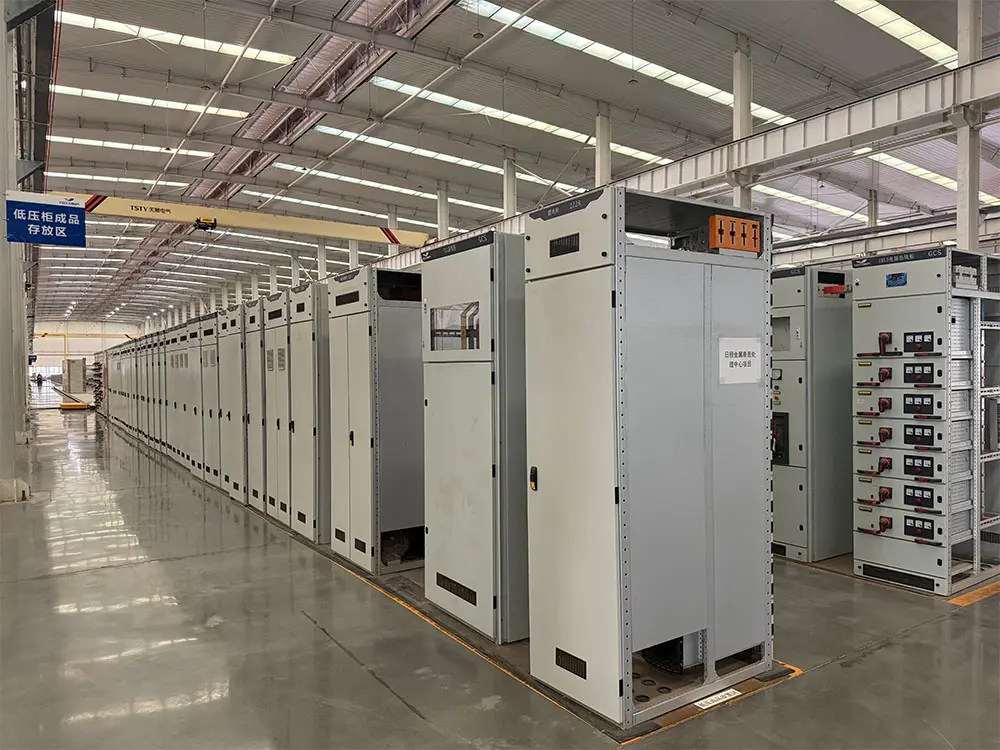
Electrical distribution systems require equipment that can control power flow while protecting people and infrastructure from electrical hazards. In industrial facilities, commercial buildings, and utility networks, switchgear plays an important role in isolating circuits, managing electrical connections, and responding to abnormal operating conditions. Equipment design is particularly important in environments where workers may need to inspect or operate electrical installations regularly.
Dead Front Switchgear is designed with no exposed energized parts on its accessible front surfaces during normal operation. This construction helps reduce the risk of accidental contact with live electrical components and supports safer electrical distribution. Understanding its design, protective features, and practical applications can help engineers and facility managers select suitable equipment for their power systems.
What Is Dead Front Switchgear?
Dead front switchgear is electrical switching and protection equipment designed to prevent direct access to energized components from its normal accessible surfaces. Live conductors and electrical connections are enclosed behind insulating barriers, grounded metal compartments, or other protective structures.
The term “dead front” describes the equipment’s construction rather than indicating that the entire system is de-energized. Internal components may remain energized during normal operation, even though they are shielded from accidental contact.
This type of switchgear is commonly used in medium-voltage and low-voltage electrical distribution systems, depending on its design and application. It can incorporate circuit breakers, switches, fuses, busbars, protective relays, and other components needed to control and protect electrical circuits.
Key Features of Dead Front Switchgear
Dead front switchgear combines protective construction with electrical control and distribution functions. Its specific features depend on the voltage class, equipment configuration, and applicable standards.
Enclosed Energized Components
One of its defining characteristics is the enclosure of live electrical parts. Conductors, terminals, and other energized components are positioned behind protective barriers or within compartments.
This reduces the likelihood of accidental contact when personnel approach the equipment for routine operation or inspection.
Insulated Front Surfaces
Accessible surfaces are designed to prevent direct exposure to energized components. Insulating materials and grounded enclosures provide additional protection against electrical contact.
The construction must be suitable for the equipment’s rated voltage and operating environment.
Compartmentalized Design
Many switchgear assemblies use separate compartments for different electrical components. These may include busbars, switching devices, cable terminations, and control equipment.
Compartmentalization helps organize internal components and can support safer inspection and maintenance procedures.
Switching and Isolation Functions
Switchgear allows authorized personnel to control electrical circuits and isolate equipment when required.
Depending on the design, it may include circuit breakers, load-break switches, disconnecting devices, and grounding switches.
Protection and Monitoring
Protective relays and monitoring instruments help detect abnormal electrical conditions. These systems can identify faults and initiate appropriate switching actions to limit equipment damage and support network safety.
Safety Benefits of Dead Front Switchgear
Electrical safety is a major consideration in the design of modern distribution equipment. Dead front construction provides several advantages by limiting access to energized components.
Reduced Risk of Accidental Electrical Contact
Enclosing live parts helps prevent workers from unintentionally touching energized conductors during normal equipment access.
This is especially important in electrical rooms, substations, and industrial facilities where personnel may work near distribution equipment.
Improved Protection During Routine Operations
Operators may need to inspect indicators, operate switches, or review equipment conditions. A properly designed dead front assembly allows many routine activities to take place without exposing accessible surfaces to live electrical parts.
However, equipment-specific operating procedures must still be followed.
Support for Arc-Flash Risk Management
Enclosing energized components can contribute to an overall electrical safety strategy, but dead front construction does not automatically eliminate arc-flash hazards.
Arc-flash risk depends on available fault current, protective device clearing time, equipment design, and other system characteristics. Appropriate engineering studies, labels, protective equipment, and safe work procedures remain essential.
Better Physical Protection of Internal Components
Enclosures and internal barriers help protect electrical components from accidental contact, foreign objects, and certain environmental influences.
Suitable enclosure ratings are important when switchgear is installed in locations exposed to dust, moisture, or other contaminants.
Organized Maintenance Access
Compartmentalized equipment can help technicians identify the location of specific components and follow established isolation procedures.
Before internal maintenance begins, the relevant circuits must be properly de-energized, isolated, tested, and grounded where required.
How Dead Front Switchgear Works
Dead front switchgear performs the same basic switching and protection functions as other switchgear assemblies. Its main distinction is the way energized components are enclosed and separated from accessible surfaces.
The operating process typically involves several functions.
Power Distribution
Electrical energy enters the switchgear through incoming cables or busbar connections. Internal busbars distribute power to individual circuits or outgoing feeders.
Circuit Switching
Switching devices allow operators or automated control systems to connect and disconnect circuits according to operational requirements.
Fault Detection
Protective relays and associated sensors monitor electrical conditions such as current and voltage.
When an abnormal condition is detected, the protection system can signal a circuit breaker or another suitable device to interrupt the affected circuit.
Circuit Isolation
After a circuit has been disconnected, approved isolation and verification procedures help ensure that personnel can perform maintenance safely.
The dead front enclosure provides an additional physical barrier, but it does not replace electrical isolation or verification.
Different Types of Dead Front Switchgear
Dead front construction can be incorporated into different switchgear arrangements. The appropriate type depends on the electrical system and installation requirements.
Metal-Enclosed Switchgear
Metal-enclosed switchgear uses grounded metal compartments to house switching and protection components.
It is commonly used in industrial facilities and electrical substations where organized equipment separation and enclosed construction are required.
Metal-Clad Switchgear
Metal-clad switchgear is a more specific construction category that generally includes separate grounded metal compartments for major components, such as circuit breakers and busbars.
Its design supports equipment separation and maintenance arrangements in accordance with the applicable product standard.
Pad-Mounted Switchgear
Pad-mounted switchgear is designed for outdoor installation on a concrete pad or similar foundation. It commonly features enclosed compartments and is used in underground distribution networks and other utility applications.
Its construction helps protect internal components from unauthorized access and environmental exposure.
Low-Voltage Dead Front Assemblies
Low-voltage distribution assemblies can also use dead front construction to enclose energized busbars, circuit breakers, and distribution connections.
These systems are used in commercial buildings, industrial facilities, and infrastructure projects.
Common Applications of Dead Front Switchgear
Dead front switchgear is suitable for many electrical distribution environments where enclosed construction and controlled access are important.
Electrical Substations
Substations use switchgear to control incoming and outgoing circuits, isolate equipment, and protect network components.
Dead front designs can help support safer operation in locations where technicians regularly interact with electrical infrastructure.
Industrial Manufacturing Facilities
Factories depend on stable electricity for production machinery, motors, automation systems, and other equipment.
Dead front switchgear can provide organized power distribution while helping reduce the risk of accidental contact with energized parts.
Commercial Buildings
Large offices, shopping centers, hospitals, and other commercial properties require dependable electrical distribution.
Enclosed switchgear helps manage electrical connections and supports maintenance activities within dedicated electrical rooms.
Renewable Energy Installations
Solar and wind power projects require switching and protection equipment to connect generation systems with collection networks and the wider grid.
Suitable dead front switchgear can be incorporated into these installations according to voltage and environmental requirements.
Underground Distribution Networks
Utilities often use pad-mounted switching equipment in underground distribution systems.
Dead front construction helps shield energized components in outdoor locations where equipment may be accessible to maintenance personnel or members of the public.
Infrastructure and Transportation Projects
Railways, airports, water treatment facilities, and other infrastructure installations require reliable electrical distribution.
Switchgear with enclosed live components can support safe and organized power management in these demanding environments.
Dead Front Switchgear vs. Live Front Switchgear
The main difference between dead front and live front switchgear is the accessibility of energized components.
| Feature | Dead Front Switchgear | Live Front Switchgear |
|---|---|---|
| Energized components | Enclosed behind protective barriers | May have exposed energized parts on accessible surfaces |
| Contact protection | Designed to reduce accidental contact | Requires greater attention to access restrictions and protective barriers |
| Typical construction | Enclosed or compartmentalized | May use exposed terminals or connections |
| Maintenance considerations | Requires proper isolation before internal access | Requires strict controls around exposed live components |
| Common applications | Modern distribution and utility installations | Certain legacy or specialized electrical installations |
Dead front construction generally offers improved protection against accidental contact with accessible energized parts. However, equipment selection must consider the full installation, applicable standards, and operating environment rather than relying on this distinction alone.
Important Factors When Selecting Dead Front Switchgear
Choosing suitable switchgear requires careful evaluation of electrical ratings, physical design, and safety requirements.
Rated Voltage and Current
The equipment must match the system’s operating voltage and expected current. Engineers should also consider maximum loading and future expansion requirements.
Short-Circuit Withstand Capability
Switchgear must withstand the thermal and mechanical stresses associated with specified fault conditions until the protective device clears the fault.
Short-circuit ratings should be coordinated with the electrical system design.
Insulation and Enclosure Design
Insulation levels, clearances, barriers, and enclosure construction must meet the requirements of the installation.
Environmental protection should also be considered where equipment may be exposed to moisture, dust, or corrosive conditions.
Protection and Control Requirements
The switchgear should include appropriate circuit breakers, fuses, relays, meters, and control devices for the intended application.
Protection coordination is essential to ensure that faults are isolated effectively.
Installation Environment
Indoor and outdoor installations may require different enclosure designs, ventilation arrangements, and environmental protection measures.
Available space, accessibility, cable routing, and maintenance requirements should be reviewed before equipment selection.
Applicable Standards
Equipment should be designed, tested, and installed according to relevant electrical standards and local regulations.
Depending on the equipment type and voltage class, standards such as IEC 62271, IEC 61439, and applicable IEEE requirements may be relevant.
Maintenance and Inspection Best Practices
Although dead front switchgear helps reduce exposure to energized components, regular inspection remains necessary to maintain dependable operation.
A suitable maintenance program may include:
- Inspecting enclosure surfaces, doors, hinges, and locking mechanisms.
- Checking for signs of corrosion, moisture, dust accumulation, or overheating.
- Examining cable terminations and accessible connections during approved de-energized maintenance.
- Testing circuit breakers and protective relays according to maintenance requirements.
- Verifying grounding and bonding arrangements.
- Checking mechanical and electrical interlocks.
- Reviewing operating records and investigating unusual alarms.
- Following manufacturer recommendations and applicable safety procedures.
Internal inspection and servicing should only be carried out by qualified personnel after proper isolation, testing, and grounding procedures have been completed.
Challenges and Considerations
Dead front switchgear provides important protective features, but its effectiveness depends on proper design, installation, and operation.
Poor enclosure maintenance can allow moisture or contaminants to affect internal components. Incorrect equipment ratings may expose the assembly to excessive electrical stress. Inadequate protection coordination can also result in unnecessary outages or insufficient fault isolation.
Furthermore, enclosed construction does not remove the need for arc-flash assessments, safe working distances, appropriate personal protective equipment, and established electrical safety procedures.
Considering these factors during equipment specification and throughout its service life helps maintain the intended level of protection.
Conclusion
Dead front switchgear is an important part of modern electrical distribution systems because it encloses energized components and helps reduce the risk of accidental electrical contact. Its features, including protective barriers, compartmentalized construction, switching devices, and integrated protection systems, support safer power management across utility, industrial, commercial, and renewable energy applications.
Selecting the right equipment requires attention to voltage and current ratings, short-circuit capability, enclosure design, protection coordination, and applicable standards. Combined with professional installation and regular maintenance, dead front switchgear can contribute to safer electrical operations and more reliable power distribution.