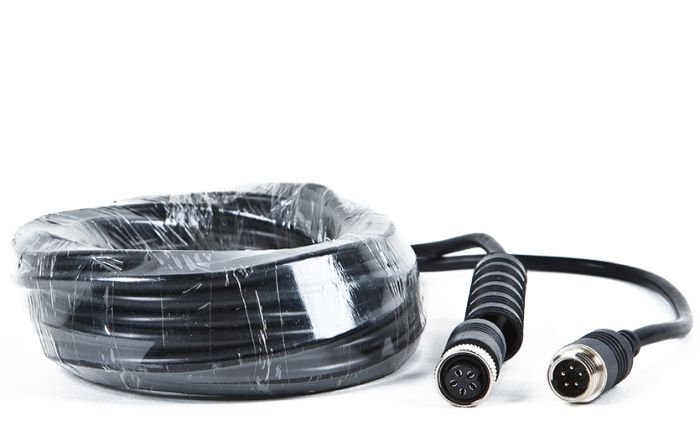
CCTV systems are designed for continuous monitoring, which means every component must perform consistently over long periods. While cameras and recording devices often receive most of the attention, cable connectors are equally important in ensuring stable video transmission. If these small components are neglected, they can become a major source of signal loss and system failure.
Proper maintenance of connectors helps preserve video quality, reduce downtime, and extend the overall lifespan of a surveillance system. A well-maintained connection ensures that footage remains clear and uninterrupted when it is needed most.
High-quality cctv cable connectors are widely used in surveillance installations because they provide stable connectivity, but even the best components require regular care to maintain peak performance.
Table of Contents
ToggleWhy Connector Maintenance Is Important
Cable connectors act as the physical link between CCTV cameras, cables, and recording devices. Over time, exposure to dust, moisture, vibration, and temperature changes can affect their performance.
Neglecting maintenance may lead to:
- Weak or unstable video signals
- Intermittent camera disconnections
- Corrosion on metal contacts
- Increased system downtime
- Higher repair and replacement costs
Routine maintenance helps prevent these issues before they affect system reliability.
Regular Inspection of CCTV Connectors
One of the most effective maintenance practices is regular inspection. This helps identify early signs of wear or damage before they escalate.
What to Look For
During inspection, check for:
- Loose or unstable fittings
- Visible corrosion or rust
- Cracked or damaged housing
- Dust or debris buildup
- Signs of moisture exposure
Even minor issues can impact signal quality if left unaddressed.
Cleaning Cable Connectors Properly
Dirt and oxidation are common causes of poor connector performance. Cleaning helps maintain strong electrical contact and stable signal transmission.
Cleaning Best Practices
- Use a dry, soft cloth to remove dust
- Apply electrical contact cleaner if needed
- Avoid using water or harsh chemicals
- Ensure connectors are completely dry before reconnection
Proper cleaning improves conductivity and reduces signal interference.
Ensuring Secure and Stable Connections
Loose connections are one of the most common causes of CCTV system failures. Vibrations, environmental movement, or poor installation can gradually loosen connectors.
How to Maintain Secure Connections
- Regularly tighten BNC or similar connectors
- Check locking mechanisms for wear
- Replace connectors that no longer hold firmly
- Avoid excessive pulling or twisting of cables
A secure connection ensures uninterrupted video transmission.
Protecting Connectors from Environmental Damage
Environmental exposure is a major factor that affects connector lifespan, especially in outdoor installations. Moisture, heat, and dust can slowly degrade performance.
Protection Tips
- Use waterproof covers for outdoor connectors
- Install connectors in sheltered areas when possible
- Avoid direct exposure to rain or sunlight
- Use sealed junction boxes for added protection
Environmental protection significantly reduces long-term damage risk.
Preventing Corrosion and Oxidation
Metal connectors are vulnerable to corrosion, especially in humid or coastal environments. Corrosion can weaken signal transmission and eventually cause complete failure.
Prevention Methods
- Use corrosion-resistant connectors
- Apply protective coatings where appropriate
- Inspect for early signs of rust regularly
- Replace corroded connectors immediately
Preventing oxidation helps maintain strong and stable connections.
Managing Cable Strain and Physical Stress
Physical stress on cables and connectors can lead to long-term damage. Pulling, bending, or pressure on connection points should be minimized.
Best Practices
- Avoid sharp bends near connectors
- Secure cables properly to reduce tension
- Use cable clips or supports
- Keep connectors away from high-traffic areas
Reducing physical strain extends connector durability.
Testing CCTV Connections Periodically
Routine testing ensures that all connectors are functioning correctly and delivering stable video signals.
What to Test
- Video clarity and stability
- Signal consistency across all cameras
- Connection stability during movement or vibration
- Any signs of intermittent signal loss
Early detection of issues helps prevent system-wide failures.
Replacing Worn or Damaged Connectors
Even with proper maintenance, connectors eventually wear out. Knowing when to replace them is essential for maintaining system performance.
Signs Replacement Is Needed
- Frequent signal interruptions
- Physical damage or cracks
- Persistent corrosion
- Loose or unstable fittings
Timely replacement ensures continuous surveillance reliability.
Conclusion
Maintaining CCTV cable connectors is essential for ensuring long-term system stability and reliable video performance. Regular inspection, proper cleaning, secure installation, and environmental protection all play important roles in preventing signal issues and extending connector lifespan.
By following consistent maintenance practices, users can significantly reduce system failures and improve the overall efficiency of their surveillance setup. Well-maintained connectors form the foundation of a dependable and long-lasting CCTV system.