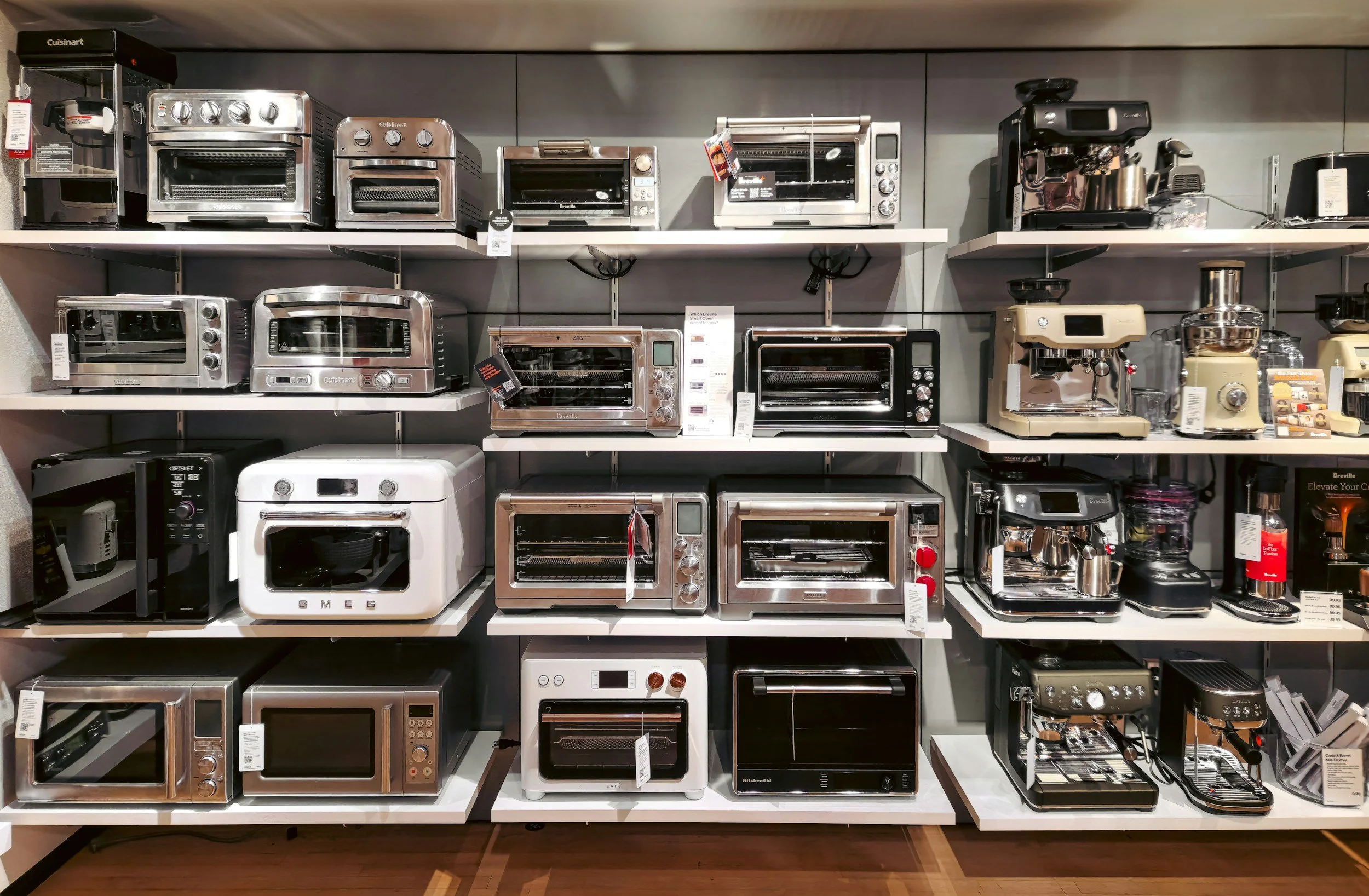
Small household appliances have become essential components of modern living, supporting convenience, efficiency, and time-saving routines across kitchens, homes, and workplaces. As global demand continues to grow, the movement of these products from factories to end consumers depends heavily on well-structured distribution systems. Within this ecosystem, manufacturers, wholesalers, and retailers work together to ensure a steady supply of reliable products that meet varying regional requirements and consumer preferences.
In this interconnected environment, small appliance suppliers serve as a critical link between production facilities and international markets, enabling seamless access to a wide range of household and commercial devices. Their role extends beyond simple product provision, as they help manage sourcing strategies, quality consistency, and large-scale fulfillment for global buyers. By maintaining diverse product portfolios and scalable production capabilities, suppliers support businesses that operate in both traditional retail and fast-growing e-commerce channels.
Table of Contents
ToggleRole in Global Distribution Chains
The global distribution chain for small appliances is complex, involving multiple stakeholders such as manufacturers, exporters, importers, logistics providers, and retail platforms. Suppliers function as a central coordination point, ensuring that products move efficiently across these stages without compromising quality or timing.
Their responsibilities often include inventory planning, demand forecasting, and compliance with international standards. Since different markets have unique electrical, safety, and design regulations, suppliers must adapt products accordingly before shipment. This adaptability allows businesses to expand into new regions while maintaining consistency in product performance and branding.
Moreover, globalization and digital commerce have increased the speed at which products must be delivered. Suppliers now play a more strategic role in ensuring faster turnaround times and flexible order fulfillment systems that support both bulk buyers and small-scale distributors.
Manufacturing Partnerships and OEM Capabilities
A significant portion of the small appliance industry operates under OEM (Original Equipment Manufacturer) and ODM (Original Design Manufacturer) models. These frameworks allow businesses to customize products according to branding, design, and functional requirements.
Suppliers collaborate closely with factories to develop product specifications that align with market needs. This includes:
- Designing product features based on consumer demand
- Ensuring compliance with international safety certifications
- Offering private label solutions for retail brands
- Adjusting production scales based on seasonal demand
Such partnerships help businesses reduce development costs while maintaining flexibility in product differentiation. As a result, suppliers are not only manufacturers but also strategic partners in product innovation and market positioning.
Logistics and Quality Control in Supply Chains
Efficient logistics are essential in the small appliance industry, where product variety and shipment volumes are often high. Suppliers must coordinate transportation, warehousing, and packaging to ensure products arrive in optimal condition.
Quality control is another crucial aspect of this process. Before products are distributed internationally, they typically undergo multiple inspection stages, including raw material testing, production monitoring, and final product evaluation. This helps reduce defects and ensures compliance with both domestic and international standards.
Key logistics considerations include:
- Optimizing shipping routes to reduce delivery time
- Managing warehouse inventory efficiently
- Ensuring proper packaging for fragile electrical components
- Coordinating with freight forwarders for international distribution
By maintaining strict quality and logistics protocols, suppliers help build trust with global buyers and ensure long-term business relationships.
Market Challenges and Future Outlook
Despite steady growth, the small appliance industry faces several challenges that impact supply chain efficiency. Fluctuating raw material costs, evolving regulatory standards, and global transportation disruptions can all affect production timelines and pricing structures.
Additionally, increasing competition has pushed suppliers to continuously innovate. Businesses now expect more energy-efficient, smart, and multifunctional appliances, requiring suppliers to invest in research and development.
Looking ahead, several trends are expected to shape the future of the industry:
- Greater adoption of smart home integration technologies
- Expansion of sustainable and eco-friendly product lines
- Increased reliance on digital supply chain management systems
- Growth in direct-to-consumer distribution models
As these trends evolve, suppliers will continue to play a central role in bridging the gap between manufacturers and global consumers. Their ability to adapt to technological advancements and market shifts will determine their long-term relevance in the industry.
Conclusion
Small appliances have become indispensable in modern households, and their global distribution depends on efficient, well-coordinated supply chains. Suppliers act as the backbone of this system, managing production, logistics, customization, and quality assurance across international markets. As demand continues to grow and consumer expectations become more advanced, the role of suppliers will remain essential in shaping the future of the global small appliance industry.