Quality control is a critical part of modern construction equipment production, ensuring that every machine delivered to the market meets strict standards of safety, durability, and performance. In industries where machinery operates under heavy loads and harsh environments, even small defects can lead to serious operational issues or safety risks.
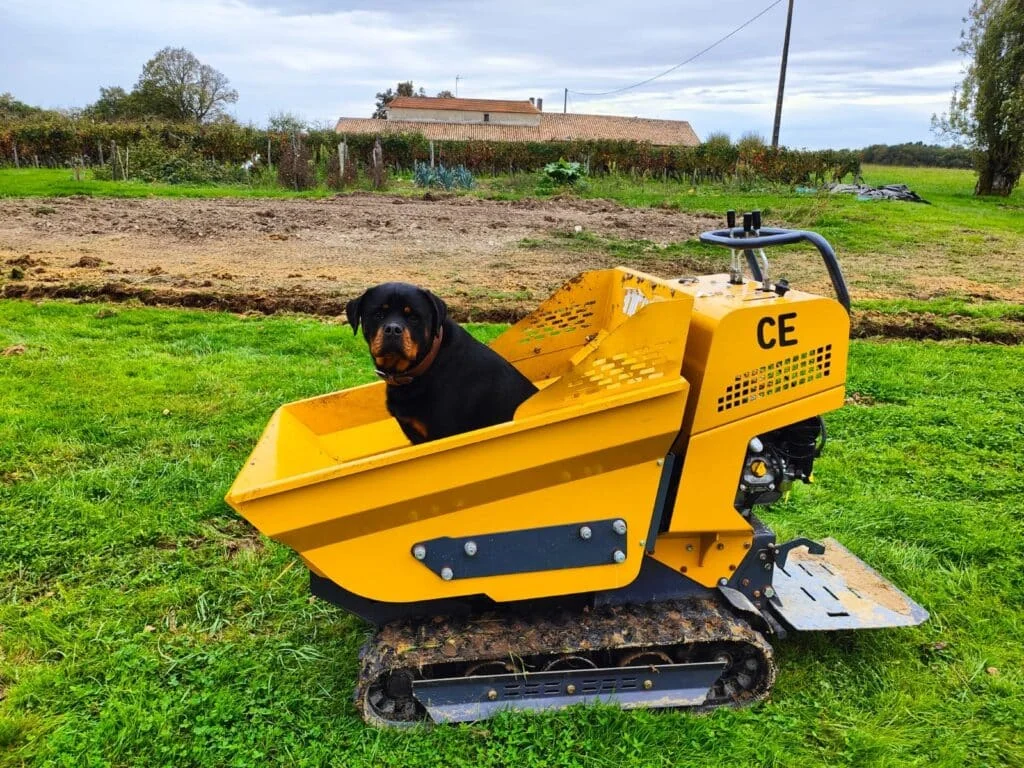
For compact machinery like mini dumpers, consistent quality is especially important because these machines are widely used in construction, landscaping, and material handling tasks where reliability directly impacts productivity. This is why mini dumper manufacturers implement detailed quality control processes throughout every stage of production. More technical product details can be explored here: mini dumper manufacturers.
Table of Contents
ToggleImportance of Quality Control in Manufacturing
Quality control ensures that every component and final product meets predefined performance and safety requirements. In construction equipment, this process is essential because machines are exposed to continuous stress, uneven terrain, and heavy workloads.
Effective quality control helps to:
- Reduce mechanical failures during operation
- Improve machine lifespan and durability
- Ensure operator safety in demanding environments
- Maintain consistent product performance across units
Without strict quality management, even small inconsistencies in materials or assembly could affect long-term reliability.
Material Inspection and Verification
One of the first steps in quality control is inspecting raw materials before production begins. The strength and durability of a mini dumper depend heavily on the quality of steel, hydraulic components, and mechanical parts used in its construction.
Manufacturers typically check for:
- Material strength and tensile resistance
- Corrosion resistance and coating quality
- Dimensional accuracy of steel components
- Compliance with engineering specifications
Only materials that meet strict standards are approved for use in production.
Precision in Manufacturing and Assembly
Once materials are approved, the manufacturing process begins with high-precision machining and assembly. Advanced equipment such as CNC machines and automated welding systems are often used to ensure accuracy.
Key focus areas include:
- Accurate frame welding for structural stability
- Proper alignment of hydraulic components
- Secure installation of engine and transmission systems
- Tight tolerance control for moving parts
Precision at this stage ensures that the final machine operates smoothly and efficiently under load.
Hydraulic System Testing
Hydraulic systems are essential for lifting and dumping functions, making their reliability a major focus of quality control. Any failure in this system can directly impact machine performance and safety.
P=FAP = \frac{F}{A}P=AF
This relationship explains how hydraulic pressure is converted into force, highlighting why system integrity is crucial for safe and efficient operation.
Testing procedures typically include:
- Pressure resistance testing
- Leak detection and sealing verification
- Cylinder movement smoothness checks
- Valve response accuracy testing
These tests ensure consistent hydraulic performance under different load conditions.
Load Capacity and Performance Testing
Before leaving the factory, each mini dumper undergoes load testing to confirm that it can safely handle its rated capacity. This step is essential for ensuring stability and preventing structural failure during real-world use.
Performance tests include:
- Maximum load stress testing
- Slope and terrain stability evaluation
- Continuous operation endurance tests
- Braking and control response checks
These evaluations simulate actual working conditions to verify reliability.
Final Inspection and Safety Checks
The final stage of quality control involves a comprehensive inspection of the entire machine. This ensures that all systems are functioning correctly and that the equipment meets safety standards.
Final checks typically cover:
- Engine performance and fuel efficiency
- Hydraulic system operation
- Electrical system functionality
- Safety mechanisms and emergency controls
- Visual inspection for defects or assembly errors
Only machines that pass all final inspections are approved for delivery.
Continuous Improvement in Quality Management
Quality control is not a one-time process but an ongoing system of improvement. Manufacturers continuously analyze performance data and customer feedback to refine production methods.
Improvement strategies include:
- Upgrading production technologies
- Enhancing material selection standards
- Improving testing accuracy and procedures
- Implementing stricter inspection protocols
These efforts help maintain high reliability and ensure long-term customer satisfaction.
Conclusion
Quality control is a fundamental part of producing reliable and efficient construction equipment. From material selection and precision assembly to hydraulic testing and final inspection, every stage plays a crucial role in ensuring product excellence.
By maintaining strict quality standards, mini dumper manufacturers ensure that their machines deliver consistent performance, safety, and durability in demanding working environments. This commitment to quality ultimately supports better productivity and long-term value for end users across various industries.