As global industries continue to move toward sustainability, eco-friendly packaging has become a core priority for businesses across the world. Increasing environmental awareness, stricter regulations on plastic use, and growing consumer demand for green alternatives have all contributed to the rapid rise of molded pulp packaging as a preferred solution.
In this transformation, molded pulp manufacturers play a crucial role by developing efficient, scalable, and environmentally responsible packaging solutions that support a wide range of industries.
Table of Contents
ToggleThe Rise of Eco-Friendly Packaging Demand
The shift toward eco-friendly packaging is driven by multiple global factors. Governments are implementing stricter environmental policies, while businesses are under pressure to reduce their carbon footprint. At the same time, consumers increasingly prefer products packaged in sustainable materials.
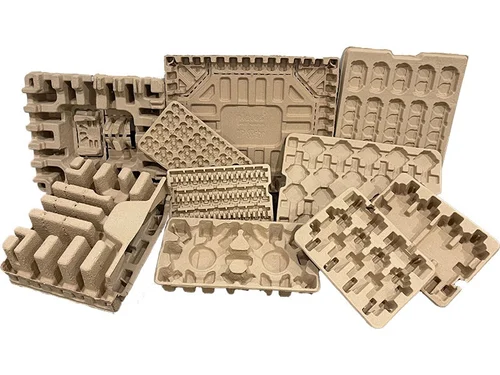
Molded pulp packaging has emerged as a leading solution because it is made from recycled paper fibers, making it biodegradable, recyclable, and highly resource-efficient. This makes it suitable for industries such as electronics, food and beverage, cosmetics, healthcare, and e-commerce.
What Makes Molded Pulp Packaging Eco-Friendly
Molded pulp packaging is designed using natural fibers that are processed into protective packaging forms. Its environmental advantages come from both its material composition and manufacturing process.
Key eco-friendly features include:
- Made from recycled paper and natural fibers
- Fully biodegradable and recyclable
- Low energy consumption during production
- Reduced dependency on plastic materials
- Supports circular economy principles
These features make it one of the most sustainable packaging solutions available today.
Step-by-Step Production Process
Molded pulp manufacturers follow a structured production process to ensure high-quality and eco-friendly packaging output.
1. Raw Material Collection and Preparation
The process begins with collecting recycled paper, cardboard, and other fiber-based materials. These are sorted, cleaned, and prepared for pulping to remove contaminants.
2. Pulping Process
The cleaned materials are mixed with water and broken down into a uniform fiber slurry. This pulp forms the base material used for molding.
3. Molding and Shaping
The pulp is poured into precision-designed molds that shape the packaging according to product requirements. This stage determines the final structure and design of the packaging.
4. Drying and Solidification
Once molded, the packaging is dried using heat or air-drying systems. This process strengthens the fibers and gives the packaging its final durability.
5. Trimming and Finishing
Excess material is trimmed, and the final product is inspected to ensure quality, consistency, and performance standards are met.
How Manufacturers Ensure Sustainability
Molded pulp manufacturers integrate sustainability into every stage of production. This includes efficient use of resources, waste reduction, and energy optimization.
Key sustainable practices include:
- Recycling water used in production processes
- Minimizing material waste through precision molding
- Using energy-efficient drying systems
- Maximizing the use of recycled raw materials
These practices ensure that eco-friendly packaging is produced with minimal environmental impact.
Applications Across Industries
Eco-friendly molded pulp packaging is widely used across multiple industries due to its versatility and protective capabilities.
Electronics Industry
Provides cushioning and protection for fragile items such as smartphones, laptops, and accessories.
Food and Beverage Industry
Used for trays, containers, and packaging solutions that meet hygiene and sustainability standards.
Cosmetics Industry
Offers elegant and protective packaging that enhances product presentation.
Healthcare Industry
Ensures safe transportation of sensitive medical devices and equipment.
E-commerce Sector
Reduces shipping damage while supporting lightweight and cost-efficient logistics.
Role of Technology in Eco-Friendly Production
Modern molded pulp manufacturers rely heavily on advanced technology to improve efficiency and sustainability. Automated molding systems, precision drying equipment, and digital design tools help reduce waste and improve production accuracy.
These technologies allow manufacturers to produce consistent, high-quality packaging at scale while minimizing environmental impact.
Benefits of Molded Pulp Packaging Solutions
Molded pulp packaging provides a wide range of benefits that make it ideal for eco-conscious businesses.
Environmental Benefits
It reduces plastic usage, lowers carbon emissions, and supports recycling systems.
Product Protection
Its fiber structure offers excellent shock absorption and structural strength.
Cost Efficiency
Lightweight design reduces shipping costs and improves logistics efficiency.
Design Flexibility
It can be customized into various shapes and sizes based on product needs.
Lianpack’s Contribution to Sustainable Packaging
Companies like Lianpack contribute to the advancement of eco-friendly packaging by developing molded pulp solutions that combine sustainability with performance. Through efficient production processes and the use of recycled materials, they help businesses transition away from plastic-based packaging systems.
Their focus on innovation ensures that packaging solutions remain both environmentally responsible and commercially viable.
Future Trends in Molded Pulp Manufacturing
The future of molded pulp packaging is expected to evolve further with advancements in materials and production technologies. Manufacturers are exploring improved fiber blends, water-resistant coatings, and more efficient automation systems.
Emerging trends include:
- Increased use of agricultural waste fibers
- Expansion of fully compostable packaging options
- Smarter digital manufacturing systems
- Enhanced durability and moisture resistance
These innovations will continue to expand the applications of eco-friendly packaging worldwide.
Conclusion
Molded pulp manufacturers play a vital role in producing eco-friendly packaging solutions that meet the needs of modern industries. Through sustainable materials, efficient production processes, and continuous innovation, they are helping reduce environmental impact while maintaining strong packaging performance.
As global demand for sustainable alternatives continues to grow, molded pulp packaging will remain an essential part of the future of packaging. Companies like Lianpack are leading this transformation by offering reliable, efficient, and environmentally responsible solutions for businesses worldwide.