Industrial and electronic systems rely on a wide range of connector types to ensure stable power and signal transmission. As applications become more advanced, selecting the right connector has become a critical engineering decision that directly affects system reliability, maintenance needs, and long-term performance.
Different connector families offer varying strengths in terms of mechanical durability, electrical performance, and environmental protection. Among these options, the m type connector is commonly used in industrial and communication systems due to its balanced combination of rugged construction, stable connectivity, and resistance to harsh operating conditions.
Table of Contents
ToggleOverview of Common Connector Types
Connectors used in industrial environments typically fall into several categories, including circular connectors, rectangular connectors, modular connectors, and board-level connectors. Each type is designed for specific use cases depending on space constraints, signal requirements, and environmental exposure.
Circular connectors are often chosen for rugged applications, while rectangular connectors are preferred in high-density control systems. Modular connectors provide flexibility, and board-level connectors are used for internal device connections.
Understanding these differences is essential when comparing performance and suitability across applications.
M Type Connector Design Characteristics
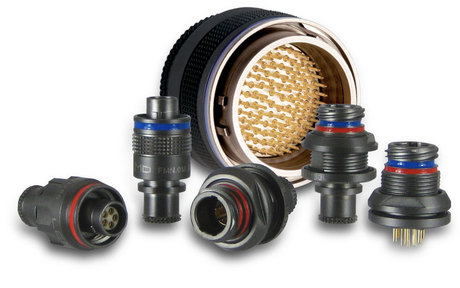
M Type connectors are circular connectors designed for secure and stable electrical connections in demanding environments. Their structure typically includes threaded locking mechanisms and durable housing materials that ensure strong mechanical retention.
Inside the second paragraph, many industrial systems rely on the m type connector because it provides consistent signal transmission and reliable mechanical stability even in environments exposed to vibration, moisture, and electromagnetic interference. This makes it suitable for both communication and industrial applications where uptime is critical.
Their compact yet rugged design allows them to be used in a wide range of systems without sacrificing performance.
Comparison with Rectangular Connectors
Rectangular connectors are widely used in control panels and electronic devices due to their ability to support high pin density. They are efficient for structured wiring systems and internal device connections.
However, compared to M Type connectors, rectangular connectors generally offer lower resistance to vibration and mechanical stress. Their locking systems are often less robust in harsh environments, making them better suited for controlled indoor applications.
Key differences include:
- Rectangular connectors: high-density pin layout, indoor use focus
- M Type connectors: rugged design, better vibration resistance
- Rectangular connectors: compact wiring in control cabinets
- M Type connectors: suitable for field and outdoor applications
This makes M Type connectors more reliable in industrial and mobile environments.
Comparison with Modular Connectors
Modular connectors offer flexibility by allowing customized configurations of signal, power, and data modules within a single system. They are useful in rapidly changing or experimental setups.
However, modular systems may not always provide the same level of environmental protection or mechanical strength as rugged circular connectors. Additional housings or protective enclosures are often required in harsh environments.
In contrast, M Type connectors are designed for fixed, durable installations where long-term reliability is more important than reconfiguration flexibility.
Electrical Performance Differences
Electrical performance is a key factor when comparing connector types. Signal loss, contact resistance, and electromagnetic interference all affect system reliability.
M Type connectors are designed to maintain stable conductivity and reduce signal degradation through:
- Low and consistent contact resistance
- Effective shielding against electromagnetic interference
- Reliable signal transmission over repeated cycles
- Support for both power and data lines
While other connector types may perform well in controlled environments, M Type connectors are optimized for stability in industrial conditions.
Mechanical Strength and Environmental Resistance
Mechanical durability is another major difference between connector types. Industrial environments often expose equipment to vibration, shock, and temperature variations.
M Type connectors use threaded coupling systems that provide strong locking force, ensuring secure connections even under continuous movement. This makes them suitable for robotics, automation, and transportation systems.
They also offer enhanced environmental protection, including:
- Sealed interfaces for dust and moisture resistance
- Corrosion-resistant materials for harsh conditions
- Wide temperature tolerance for industrial use
- Long service life under repeated mating cycles
Other connector types may require additional protection to achieve similar performance levels.
Application Suitability Across Industries
Different connector types are selected based on application requirements. Rectangular connectors are often used in internal electronics and control panels, while modular connectors are common in flexible system designs.
M Type connectors are widely used in applications such as:
- Industrial automation and control systems
- Communication and data transmission equipment
- Robotics and motion control systems
- Transportation and rail electronics
- Heavy machinery and industrial sensors
Their versatility makes them suitable for both communication and industrial environments where reliability is essential.
Choosing the Right Connector Type
Selecting the appropriate connector requires evaluating electrical, mechanical, and environmental factors. Engineers must consider system demands carefully to avoid over-engineering or under-specifying components.
Important selection criteria include:
- Required signal type and electrical load
- Environmental exposure conditions
- Mechanical stress and vibration levels
- Installation space and design constraints
- Maintenance and lifecycle expectations
Understanding these factors helps ensure optimal system performance and cost efficiency.
Conclusion
Connector selection plays a vital role in ensuring system reliability, efficiency, and safety. While different connector types serve different purposes, their performance varies significantly depending on application requirements.
The m type connector stands out for its rugged design, stable electrical performance, and strong environmental resistance. These qualities make it a dependable choice for both industrial and communication systems where consistent connectivity is essential for long-term operational success.