Steel sections are essential components in modern construction because they provide the strength and stability required for buildings, industrial facilities, bridges, and infrastructure projects. Among the different structural steel profiles, channel sections are widely used because of their practical shape, reliable mechanical properties, and versatility. Their open cross-sectional design makes them suitable for supporting structural loads and creating strong framework assemblies.
The Upn Steel Channel is a European-standard structural steel section recognized by its U-shaped profile and tapered inner flange surfaces. It is commonly used in building frameworks, equipment supports, fabrication projects, and industrial structures. Understanding its dimensions, mechanical characteristics, and applications helps engineers and construction professionals select the right section for their structural requirements.
What Is a UPN Steel Channel?
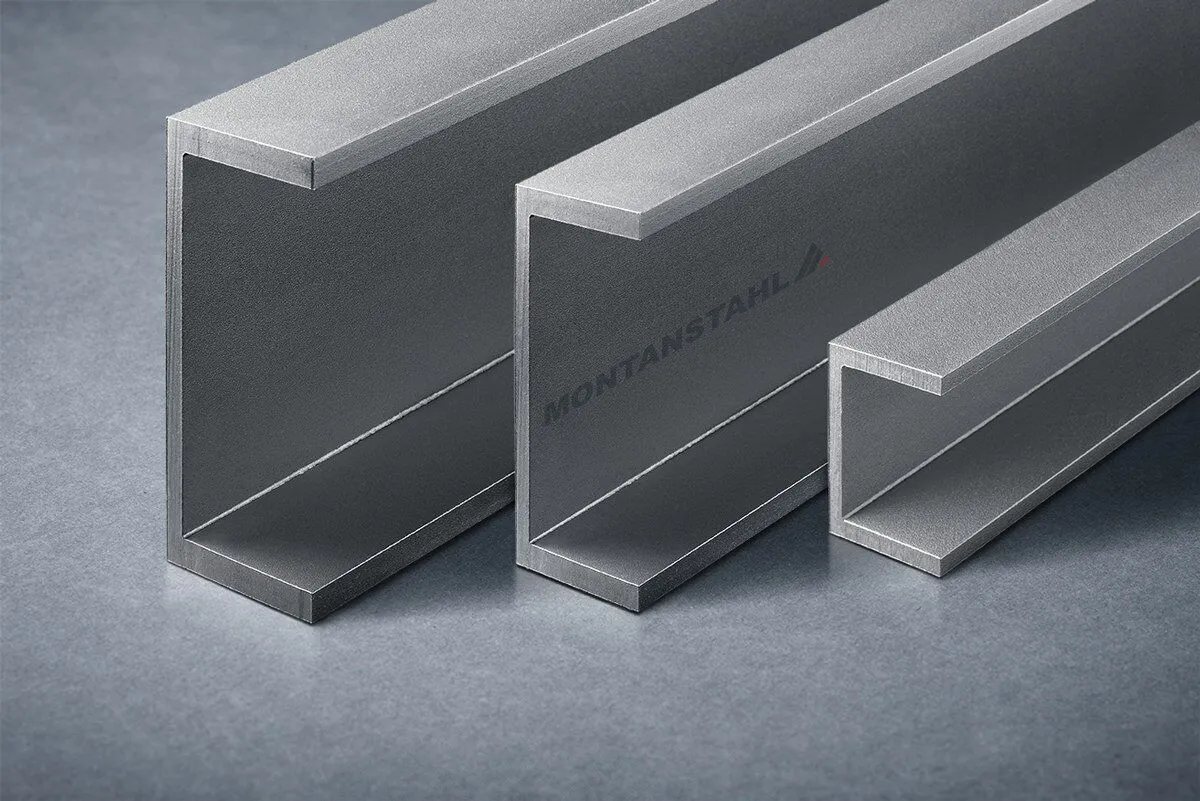
A UPN steel channel is a hot-rolled structural steel profile with a U-shaped cross-section. It consists of a vertical web and two parallel flanges that extend outward from the web.
The inner surfaces of the flanges are typically tapered, which distinguishes UPN sections from some other channel profiles.
UPN channels are manufactured in different sizes and steel grades to accommodate varying structural requirements. They are commonly produced according to European standards and are available in standard lengths or customized dimensions depending on supplier capabilities.
Their open profile makes them relatively easy to cut, drill, weld, and incorporate into different structural assemblies.
Key Dimensions of UPN Steel Channels
Dimensions are among the most important factors when selecting a UPN channel. The size of the section directly influences its weight, strength, stiffness, and suitability for different applications.
The main dimensional characteristics include:
1. Height
The height represents the overall vertical dimension of the channel, measured across the web and flanges.
UPN sections are available in several standard heights, allowing engineers to select suitable profiles for different structural loads and space requirements.
2. Flange Width
Flange width refers to the horizontal distance from the web to the outer edge of the flange.
Wider flanges can influence the section’s structural behavior and provide additional space for connections and fastening arrangements.
3. Web Thickness
The web is the vertical central portion of the channel. Its thickness contributes to shear resistance and the overall structural capacity of the section.
The required web thickness depends on the applied loads and engineering design.
4. Flange Thickness
Flange thickness influences the bending performance and local strength of the channel.
UPN channels generally feature tapered inner flange surfaces, so the thickness can vary across the flange.
5. Weight Per Meter
UPN channels are commonly identified by their nominal height, such as UPN 80, UPN 100, or UPN 120.
Each size has a corresponding standard weight per meter, which is important for material estimation, transportation, and structural calculations.
Common UPN Steel Channel Dimensions
The following table provides examples of commonly available UPN channel sizes. Dimensions and weights are approximate reference values and should be verified against the applicable product standard and manufacturer’s technical data.
| UPN Size | Height (mm) | Flange Width (mm) | Approx. Weight (kg/m) |
|---|---|---|---|
| UPN 80 | 80 | 45 | 8.6 |
| UPN 100 | 100 | 50 | 10.6 |
| UPN 120 | 120 | 55 | 13.4 |
| UPN 140 | 140 | 60 | 16.0 |
| UPN 160 | 160 | 65 | 18.8 |
| UPN 180 | 180 | 70 | 22.0 |
| UPN 200 | 200 | 75 | 25.3 |
| UPN 220 | 220 | 80 | 29.4 |
| UPN 240 | 240 | 85 | 33.2 |
| UPN 260 | 260 | 90 | 37.9 |
| UPN 300 | 300 | 100 | 46.2 |
These values are useful for preliminary comparisons. Final selection should consider the complete section properties, including flange and web thicknesses, cross-sectional area, and moments of inertia.
Mechanical Properties of UPN Steel Channels
UPN channels are valued for their mechanical characteristics, which make them useful in different structural and industrial environments.
High Structural Strength
UPN channels manufactured from suitable structural steel grades can withstand significant mechanical loads.
Their strength makes them suitable for supporting building components, industrial equipment, platforms, and other structural assemblies.
Bending Resistance
The channel’s cross-sectional geometry provides resistance to bending forces.
However, because UPN sections have an open and unsymmetrical profile, engineers must also consider torsional effects and lateral stability when designing structural members.
Shear Resistance
The web plays an important role in resisting shear forces.
Its thickness and depth influence the section’s ability to transfer loads through structural connections and supporting elements.
Weldability and Fabrication
Many commonly used structural steel grades offer good weldability when appropriate procedures are followed.
UPN channels can be cut, drilled, welded, and connected to other steel components to create customized structures.
Durability
Structural steel channels can provide long service life when protected against corrosion and maintained according to environmental conditions.
Galvanizing, painting, and other protective treatments can help reduce deterioration caused by moisture and chemical exposure.
Different Types of UPN Steel Channels
UPN channels are available in different sizes and material specifications to meet various construction requirements.
1. Standard UPN Channels
Standard UPN channels are manufactured according to established European dimensional specifications.
They are commonly used in structural frameworks, building supports, fabrication, and industrial applications.
2. Heavy UPN Channels
Larger UPN profiles offer greater cross-sectional area and structural capacity than smaller sections.
They are generally selected for applications involving higher loads, larger structural spans, or demanding industrial conditions.
3. Galvanized UPN Channels
Galvanized UPN channels have a protective zinc coating that helps improve corrosion resistance.
They can be suitable for outdoor structures, utility installations, and environments where exposure to moisture is a concern.
4. Customized UPN Channels
Depending on manufacturing and fabrication capabilities, UPN channels can be cut to specific lengths, drilled, welded, or prepared for particular structural assemblies.
Customized preparation helps simplify installation and improve compatibility with project designs.
Common Structural Applications of UPN Steel Channels
UPN channels are used across several industries because their shape and mechanical properties support different structural functions.
1. Building Construction
UPN channels are frequently incorporated into commercial, residential, and industrial buildings.
They can be used for secondary framing, roof supports, lintels, staircases, and structural connections.
Their versatility makes them useful in both new construction and renovation projects.
2. Industrial Frameworks
Factories and manufacturing facilities require strong steel components to support equipment, machinery, and operational platforms.
UPN channels are used in equipment frames, support structures, maintenance platforms, and industrial walkways.
3. Bridge Construction
Certain bridge structures use channel sections as secondary support members, cross-bracing components, and connection elements.
Their suitability depends on the bridge’s design loads, environmental conditions, and structural configuration.
4. Machinery and Equipment Manufacturing
UPN channels are commonly used to manufacture machine frames, equipment bases, and support assemblies.
They can be fabricated into customized structures that provide the necessary strength and dimensional stability.
5. Transportation and Infrastructure
Railway facilities, utility installations, and transportation infrastructure may incorporate UPN channels in support frameworks and fabricated structural components.
They can also be used in maintenance platforms, protective structures, and equipment mounting systems.
6. Agricultural Structures
Agricultural buildings, storage facilities, and equipment shelters use structural steel channels for supporting frames and roof systems.
Their availability in different sizes allows designers to accommodate varying structural requirements.
Advantages of Using UPN Steel Channels
UPN channels offer several practical benefits that explain their widespread use in construction and fabrication.
1. Versatile Design: Their U-shaped profile allows them to be incorporated into different structural arrangements and fabricated assemblies.
2. Efficient Load Support: Properly selected sections can provide reliable bending and shear resistance for suitable applications.
3. Easy Fabrication: UPN channels can be cut, drilled, welded, and connected using established steel fabrication techniques.
4. Multiple Size Options: Different standard dimensions allow engineers to select profiles according to project requirements.
5. Material Availability: UPN channels are widely used structural products and are available in several steel grades and dimensions.
6. Recyclability: Steel channels can be recovered and recycled, helping reduce material waste at the end of their service life.
UPN Steel Channel vs. Other Structural Steel Sections
Understanding how UPN channels compare with other steel profiles helps determine which option is most appropriate for a particular project.
| Feature | UPN Channel | IPE Beam | HEA Beam |
|---|---|---|---|
| Cross-section | U-shaped | I-shaped | Wide-flange H-shaped |
| Flange arrangement | Two flanges on one side of the web | Flanges on opposite sides | Wide flanges on opposite sides |
| Structural behavior | Unsymmetrical open section | Efficient bending resistance about the major axis | Designed for substantial structural loading |
| Common applications | Supports, frames, and connections | Beams and structural framing | Columns and heavy structural frameworks |
| Fabrication | Suitable for cutting and welding | Suitable for structural fabrication | Suitable for structural fabrication |
The final choice depends on loading conditions, span requirements, connection details, and engineering calculations.
Factors to Consider When Selecting a UPN Steel Channel
Selecting the correct UPN channel requires evaluating several technical and practical considerations.
- Required dimensions: Height, flange width, web thickness, and flange thickness should match the structural design.
- Steel grade: The material must provide the required yield strength, tensile strength, and weldability.
- Load requirements: Engineers should evaluate bending, shear, compression, and torsional forces.
- Section properties: Cross-sectional area, moments of inertia, and section modulus are important for structural calculations.
- Environmental exposure: Outdoor and corrosive environments may require galvanizing or protective coatings.
- Connection design: Bolted and welded connections should be compatible with the selected channel profile.
- Applicable standards: Products should meet the relevant dimensional and material specifications.
Professional structural assessment helps ensure that the selected channel provides the required performance without unnecessary material costs.
Maintenance and Corrosion Protection
Although structural steel is durable, exposure to moisture, chemicals, and changing environmental conditions can cause corrosion.
Regular maintenance helps preserve the condition and service life of UPN channels.
Important maintenance practices include:
- Inspecting steel surfaces for rust, coating damage, and deformation.
- Applying protective paint or zinc coatings where required.
- Checking welded and bolted connections for deterioration.
- Removing accumulated moisture and debris from vulnerable areas.
- Monitoring structural members for unusual movement or damage.
- Replacing or repairing severely deteriorated components when necessary.
The appropriate maintenance schedule depends on the structure’s location, usage, and environmental exposure.
Conclusion
UPN steel channels are versatile structural components used in construction, industrial manufacturing, infrastructure, and equipment fabrication. Their U-shaped cross-section, multiple dimensional options, and practical fabrication characteristics make them suitable for a wide range of supporting and framing applications.
Understanding their dimensions, section properties, mechanical performance, and installation requirements is essential for selecting the right profile. With appropriate engineering calculations, suitable steel grades, and proper corrosion protection, UPN channels can contribute to strong, stable, and durable structural systems.