Keeping pipes, drainage networks, and industrial equipment clean is essential for maintaining reliable operations. Over time, grease, sludge, mineral deposits, and other materials can accumulate on internal surfaces, restricting flow and reducing system performance. In plumbing environments, these deposits can cause recurring blockages, while industrial facilities may experience equipment inefficiency and unnecessary downtime. Water jetting technology offers a practical cleaning solution by using pressurized water to remove stubborn buildup from suitable surfaces and drainage systems.
Understanding Water Jetting Technology
Water jetting is a cleaning method that uses controlled high-pressure water streams to remove dirt, debris, and accumulated deposits. Specialized equipment pumps water through a reinforced hose and directs it toward the target area through a suitable nozzle.
The pressure and flow of water help loosen materials that may be difficult to remove using basic cleaning methods. Different nozzle designs allow operators to adjust the direction and distribution of water according to the cleaning task.
A professional Water Jetting Machine combines a pump, power source, hose, and nozzle system to deliver water at the required operating conditions. Depending on its design and capacity, it can support pipe cleaning, sewer maintenance, industrial surface preparation, and other specialized applications.
How Water Jetting Machines Improve Cleaning Efficiency
Water jetting equipment offers several practical advantages for maintenance teams and professional cleaning operators.
1. Removes Stubborn Deposits
Industrial and plumbing systems can accumulate materials that are difficult to remove with ordinary tools. Grease, sludge, sediment, and mineral residue may stick firmly to internal surfaces.
High-pressure water helps loosen these deposits and carry the dislodged material away. This makes the technology useful for cleaning suitable pipes and equipment affected by persistent buildup.
2. Reduces Manual Cleaning Requirements
Traditional cleaning methods may involve considerable manual effort, especially when deposits are located inside long or difficult-to-access pipes.
Water jetting allows operators to direct water into these areas through specialized hoses and nozzles. This can reduce the need for extensive manual intervention and make certain maintenance tasks more manageable.
3. Supports Consistent Cleaning Results
Cleaning quality can vary when workers rely entirely on manual methods. Water jetting equipment provides a more controlled approach because operators can select appropriate pressure, flow, and nozzle configurations.
When used correctly, this helps maintenance teams achieve more consistent results across repeated cleaning operations.
4. Helps Reduce Maintenance Downtime
Blocked pipes and dirty industrial equipment can interrupt normal operations. Removing accumulated waste before it causes severe restrictions can help reduce unexpected maintenance interruptions.
Scheduled water jetting can therefore become a useful part of a preventive maintenance strategy, particularly in facilities where drainage and equipment reliability are essential.
5. Offers Versatile Cleaning Applications
Water jetting systems are available in different capacities and configurations. Smaller units may be suitable for plumbing services, while larger machines can support demanding industrial and municipal cleaning requirements.
This flexibility allows businesses to select equipment according to their specific operational needs.
Applications in Plumbing and Drainage Systems
Water jetting is widely used in plumbing maintenance because it can remove different types of debris from suitable drainage lines.
Cleaning Blocked Sewer Pipes
Underground sewer pipes can collect grease, sludge, sediment, and organic debris over time. These materials restrict wastewater flow and may eventually cause backups.
High-pressure water helps dislodge accumulated deposits and flush them through the drainage network. Regular professional cleaning can help maintain suitable sewer systems and reduce recurring blockages.
Removing Kitchen Grease
Restaurants and commercial kitchens often experience grease accumulation because fats and oils enter drainage lines during food preparation and cleaning.
As grease cools, it can attach to pipe walls and gradually form thick deposits. Water jetting helps break down this buildup, making it useful for maintaining kitchen drainage systems.
Maintaining Household Drains
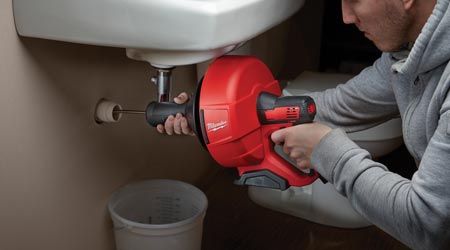
Residential plumbing systems can become blocked by hair, soap residue, food particles, and other waste. Suitable water jetting equipment can help remove certain types of buildup and restore normal drainage performance.
However, technicians should inspect the pipe condition before using high-pressure equipment, particularly in older properties.
Cleaning Stormwater Drainage Systems
Stormwater pipes may collect soil, sand, leaves, and other outdoor debris. These materials can reduce drainage capacity and contribute to water accumulation during heavy rainfall.
Water jetting can help remove suitable sediment and organic deposits from stormwater lines.
Industrial Applications of Water Jetting Machines
Industrial facilities often require specialized cleaning methods because their equipment and drainage systems operate under demanding conditions.
Manufacturing Facilities
Manufacturing operations may produce residue, oils, dust, and other materials that accumulate on equipment and suitable pipe surfaces. Water jetting can help remove certain deposits and support routine maintenance.
Food Processing Plants
Food production environments require effective cleaning to maintain sanitary conditions. Depending on the equipment design and applicable hygiene procedures, water jetting may be used to clean suitable surfaces, drainage channels, and wastewater lines.
Chemical and Processing Industries
Industrial processing facilities may experience buildup in certain drainage systems and equipment. Water jetting can assist with removing compatible deposits, but cleaning procedures must account for the chemical properties of the residue and any specific safety requirements.
Municipal Infrastructure
Municipal maintenance teams use water jetting equipment to support the cleaning of sewer networks, stormwater drains, and other public drainage infrastructure.
Important Components of a Water Jetting System
Understanding the main equipment components helps buyers and operators select suitable machines.
High-pressure pump: Generates the pressure required to move water through the cleaning system.
Power source: Supplies energy to operate the pump. Depending on the machine, this may be an electric motor or a petrol or diesel engine.
High-pressure hose: Transfers pressurized water from the machine to the cleaning nozzle.
Cleaning nozzle: Controls the direction and distribution of water streams for different cleaning applications.
Water supply system: Provides the water needed for continuous operation, subject to the machine’s specifications.
Each component should be suitable for the intended pressure, flow rate, and working environment.
Factors to Consider When Choosing Water Jetting Equipment
Selecting the right machine requires an understanding of the cleaning tasks it will perform.
Pressure and Flow Rate
Pressure determines the force used to loosen deposits, while flow rate affects how effectively dislodged material can be flushed away. Both specifications should match the application.
Equipment Capacity
Smaller plumbing jobs may require less powerful equipment than large industrial or municipal cleaning operations. Consider the size of the pipes, the severity of the buildup, and the frequency of use.
Nozzle Options
Different nozzle designs serve different purposes. Penetrating nozzles can help move through obstructions, while flushing and rotating designs may support other cleaning requirements.
Portability and Design
Machines used across multiple job sites should be practical to transport and position. Wheels, handles, compact frames, and convenient hose storage can improve usability.
Durability and Maintenance
Look for reliable pumps, durable hoses, quality connections, and accessible replacement components. Regular servicing helps maintain performance and reduce equipment downtime.
Safety Considerations During Water Jetting Operations
High-pressure water can cause serious injuries or damage equipment when handled incorrectly. Safe operation should always be a priority.
Before starting work, operators should inspect hoses, fittings, and connections for signs of wear or damage. They should also check the condition of the pipe or surface being cleaned and confirm that the selected pressure is appropriate.
Important precautions include:
- Providing proper operator training.
- Wearing suitable protective clothing and eye protection.
- Following manufacturer operating instructions.
- Keeping unauthorized people away from the work area.
- Avoiding direct contact with pressurized water streams.
- Using appropriate procedures for contaminated industrial wastewater.
- Depressurizing equipment before disconnecting hoses or accessories.
Some industrial applications may require additional controls based on the materials being removed and the surrounding working environment.
Conclusion
Water jetting machines improve cleaning efficiency by using controlled high-pressure water to remove stubborn deposits from suitable pipes, drainage systems, and industrial equipment. Their ability to loosen grease, sludge, sediment, and other accumulated materials makes them valuable for plumbing maintenance and a wide range of industrial applications.
Choosing equipment with the appropriate pressure, flow rate, pump capacity, and nozzle configuration is essential for achieving reliable results. When combined with trained operators, proper safety measures, and regular maintenance, water jetting technology can help reduce cleaning time, prevent avoidable disruptions, and support the long-term performance of essential systems.