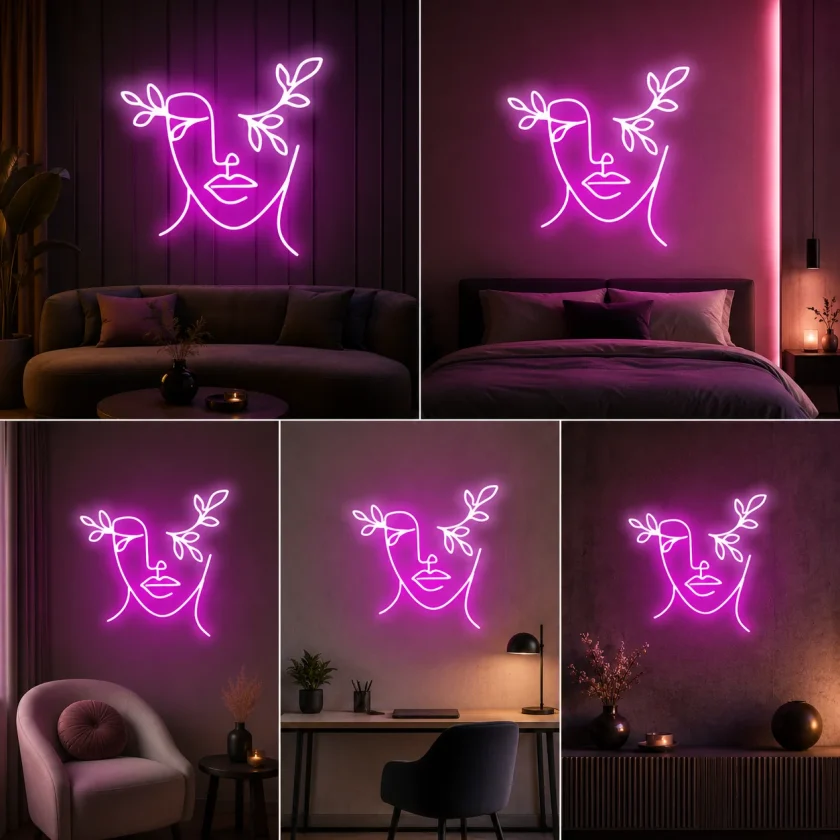
LED signs have become an important part of modern commercial advertising. From storefront displays and illuminated business logos to indoor promotional boards and outdoor signage, LED technology helps businesses attract attention and communicate messages effectively. Bright illumination, flexible design options, and energy-efficient operation make LED signs suitable for many commercial environments.
However, choosing the right supplier is essential to getting signage that meets your business requirements. A dependable LED Sign Supplier should offer quality materials, reliable manufacturing, customization options, and professional customer support. Understanding what to look for before placing an order can help businesses avoid unnecessary costs and select signage that delivers long-term value.
1. Define Your Commercial Advertising Requirements
Before contacting suppliers, identify what you want your LED signage to achieve. Different businesses need different types of displays depending on their location, audience, and advertising objectives.
For example, retail stores may need illuminated logos and promotional signs, while restaurants may prefer menu displays and decorative lighting. Offices, shopping centers, hotels, and entertainment venues may require larger branded installations or directional signs.
Consider the following factors:
- Purpose: Decide whether the sign will promote a brand, display information, attract customers, or provide directions.
- Location: Determine whether it will be installed indoors or outdoors.
- Visibility: Consider viewing distance, surrounding lighting, and pedestrian or vehicle traffic.
- Dimensions: Select a size that fits the installation area and remains easy to read.
- Budget: Establish a realistic spending range that includes production, delivery, and installation.
Having clear requirements makes it easier to compare suppliers and receive accurate quotations.
2. Evaluate the Supplier’s Industry Experience
Experience is an important factor when selecting a commercial signage provider. Manufacturers and suppliers familiar with different business applications are more likely to understand the practical requirements of custom LED signage.
Review the company’s portfolio, product categories, and previous projects. Look for examples involving storefront signs, illuminated logos, custom lettering, promotional displays, and large-format installations.
You can also ask how long the supplier has worked with LED signage and whether it has experience handling projects similar to yours. A relevant portfolio provides a better indication of capabilities than general marketing claims.
3. Examine Product Quality and Materials
The materials used in LED signs influence their appearance, durability, and operating performance. A professional supplier should be able to explain the main components used in its products.
Important elements to review include:
LED modules and strips: Quality lighting components should provide consistent illumination and suitable brightness for the intended application.
Acrylic panels: Acrylic is commonly used for sign faces and backing panels. Check the material’s thickness, transparency, and finishing quality.
Metal structures: Aluminum and other suitable metals may be used for frames, housings, and mounting structures. Their quality can affect stability and resistance to environmental exposure.
Power supplies: Electrical components should match the sign’s voltage and power requirements.
Wiring and connectors: Properly assembled electrical connections help support safe and dependable operation.
Ask for product specifications rather than relying entirely on photographs. This helps you understand what you are purchasing.
4. Check Customization and Design Capabilities
Commercial advertising often requires signage that reflects a company’s identity. A supplier should offer sufficient design flexibility to accommodate brand colors, logos, lettering, and specific dimensions.
Depending on the product range, customization options may include:
- Personalized business names and logos
- Different fonts and lettering styles
- Various colors and lighting effects
- Custom dimensions and shapes
- Indoor and outdoor configurations
- Different mounting and installation arrangements
Ask whether the supplier can review your artwork and provide a digital preview before manufacturing. Confirming the design in advance reduces the possibility of mistakes involving spelling, proportions, colors, or placement.
5. Assess Lighting Performance and Energy Efficiency
LED signs are popular partly because they can provide bright illumination while consuming less electricity than many traditional lighting alternatives.
Nevertheless, not all products deliver the same lighting performance. Consider whether the sign provides sufficient brightness for its installation environment and whether illumination appears consistent across the entire display.
For outdoor advertising, visibility during daylight may be especially important. Indoor displays may require adjustable brightness to create a comfortable atmosphere without overwhelming nearby customers.
You should also ask about power consumption, operating voltage, dimming options, and expected maintenance requirements. These details help estimate the long-term operating costs of the signage.
6. Verify Safety Standards and Environmental Suitability
Electrical safety should never be overlooked when purchasing illuminated commercial signs. Ask the supplier about applicable product standards, electrical certifications, and testing procedures.
If the sign will be installed outdoors, check whether its construction is suitable for exposure to rain, dust, sunlight, and changing temperatures. Ask for the relevant ingress protection rating and confirm whether it applies to the complete sign or only specific components.
Also consider the installation environment. A sign mounted near a road, entrance, or frequently used public area may require additional attention to secure mounting and electrical protection.
Where local regulations apply, make sure the proposed installation complies with building, advertising, and electrical requirements.
7. Review Manufacturing and Quality-Control Procedures
A reliable supplier should follow a consistent process for producing and checking LED signs. Quality control helps ensure that the finished product matches the approved design and performs as expected.
A typical production process may include:
- Reviewing the customer’s requirements and artwork.
- Preparing the design and technical specifications.
- Selecting suitable materials and lighting components.
- Cutting, assembling, and finishing the sign.
- Checking electrical connections and illumination.
- Inspecting the completed product before packaging.
Ask whether the supplier performs functional testing before dispatch. For larger or repeated orders, it is also useful to understand how the company maintains consistency across multiple signs.
8. Compare Quotations and Overall Value
Price is an important consideration, but choosing the cheapest offer may not always be the most economical decision. A low quotation could reflect differences in materials, lighting components, construction quality, or included services.
Request detailed quotations from multiple suppliers and compare similar specifications.
A useful quotation should explain:
- Sign dimensions and design details
- Materials and lighting components
- Customization charges
- Power supply and accessories
- Packaging and shipping costs
- Estimated production schedule
- Warranty and support conditions
Consider the total cost of ownership rather than the initial purchase price alone. A well-constructed sign with suitable components may provide better value over its operating life.
9. Investigate Delivery and Packaging Arrangements
Commercial advertising projects often operate according to specific schedules. A delayed sign can affect store openings, promotional campaigns, exhibitions, and other business activities.
Before ordering, ask for an estimated production and delivery timeline. Confirm whether the supplier provides order updates and shipment tracking.
Packaging is equally important. LED signs may include acrylic surfaces, delicate lighting components, and electrical connections that need protection during transportation.
For international shipments, clarify customs documentation, shipping responsibilities, and procedures for handling damaged or incomplete deliveries.
10. Understand Warranty and After-Sales Support
A trusted supplier should provide clear information about product warranties and technical assistance. This is particularly important for businesses that depend on illuminated signage for daily operations.
Before purchasing, ask:
- What is the warranty period?
- Which components are covered?
- What conditions may invalidate the warranty?
- How should product defects be reported?
- Are replacement parts available?
- Can the supplier provide technical guidance after delivery?
Review the warranty terms carefully and keep your order confirmation, product specifications, and related documentation.
11. Look at Customer Feedback and Reputation
Customer reviews can provide useful insights into a supplier’s communication, product quality, delivery performance, and support services.
Look for feedback across independent platforms where possible. Pay attention to repeated comments rather than relying on a single positive or negative review.
You can also request references or examples of completed commercial projects. If possible, speak with previous customers who have ordered similar signage.
A supplier with a consistent record of successful projects and clear communication may be a more dependable choice.
12. Build a Long-Term Supplier Relationship
Commercial signage needs can change as businesses expand, update their branding, or introduce new advertising campaigns. Working with a supplier that understands your requirements can make future orders easier.
For businesses operating multiple branches, consistent design specifications are particularly important. Ask whether the supplier can retain approved artwork, dimensions, colors, and product details for repeat orders.
A long-term relationship can also improve communication about new designs, replacement components, maintenance, and future signage projects.
Conclusion
Finding a trusted LED sign supplier for commercial advertising requires more than comparing prices and product images. Businesses should carefully evaluate experience, material quality, customization capabilities, lighting performance, safety standards, manufacturing procedures, and after-sales support.
A clear understanding of your advertising goals will help you identify the right product and communicate your expectations effectively. By reviewing portfolios, requesting detailed quotations, checking customer feedback, and confirming warranty terms, you can make a more informed purchasing decision.
Ultimately, choosing a dependable supplier helps businesses invest in attractive, functional, and durable LED signage that supports brand recognition and creates a stronger visual presence in competitive commercial environments.