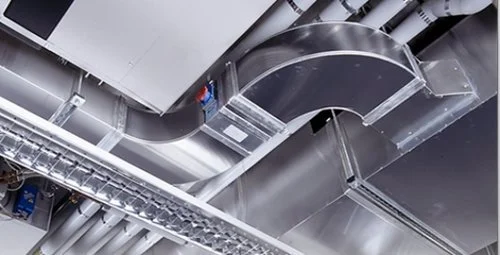
In modern HVAC systems, ductwork plays a crucial role in ensuring the efficient distribution of conditioned air throughout residential, commercial, and industrial buildings. Choosing the right type of duct system can significantly impact energy efficiency, installation time, maintenance requirements, and overall system performance. Among the available options, pre-insulated ductwork has emerged as a popular alternative to traditional duct systems, offering distinct advantages for a wide range of applications.
Traditional duct systems typically consist of bare metal ducts that require insulation to be applied separately. In contrast, a high-quality Pre Insulated Ductwork system integrates insulation directly into the duct panels during manufacturing. This difference fundamentally changes the performance, efficiency, and installation process of the HVAC system, making pre-insulated ducts an increasingly preferred choice for modern construction projects.
Table of Contents
ToggleEnergy Efficiency and Thermal Performance
One of the primary differences between pre-insulated ductwork and traditional duct systems is energy efficiency. Traditional ducts often experience heat loss or gain due to gaps or inconsistencies in applied insulation. Even when insulation is installed manually, it may not provide uniform coverage, which can lead to inefficiencies and higher energy costs.
Pre-insulated ducts are manufactured with consistent insulation throughout the panels, minimizing thermal loss and maintaining temperature control more effectively. This ensures that conditioned air reaches its destination without significant temperature fluctuations, reducing the load on heating and cooling equipment. Over time, this results in lower energy consumption and operational costs, making pre-insulated ductwork a more cost-effective and sustainable option.
Installation Time and Labor Requirements
Installation processes vary significantly between the two types of duct systems. Traditional ducts require multiple steps, including measuring, cutting, assembling the duct panels, and then manually wrapping or adding insulation. This process can be labor-intensive and time-consuming, increasing the likelihood of errors that could compromise efficiency.
Pre-insulated ductwork, on the other hand, comes with insulation already integrated into the panels. This streamlined design reduces installation time, lowers labor costs, and simplifies the workflow. Installers can assemble the ductwork more quickly and efficiently, which is particularly beneficial for large commercial projects or construction sites with tight schedules. The reduced complexity also ensures consistent insulation coverage, eliminating gaps that can occur with manually applied insulation.
Noise Reduction and Acoustic Benefits
Noise control is another area where pre-insulated ductwork outperforms traditional systems. Traditional metal ducts often transmit sound from HVAC equipment, airflow turbulence, and vibrations throughout the building. Additional insulation may reduce noise but often requires careful installation and additional materials.
Pre-insulated ducts include integrated insulation that acts as a sound barrier, minimizing the transmission of noise. This feature is especially valuable in commercial buildings, hospitals, schools, and office environments where quiet operation is essential for comfort and productivity.
Durability and Maintenance
Durability is a key consideration when comparing duct systems. Traditional ducts can be prone to corrosion, damage, or wear over time, particularly if insulation is applied externally and not properly maintained. Any damage to the insulation can compromise thermal efficiency and require additional maintenance.
Pre-insulated ductwork is constructed from durable materials with the insulation protected by the duct panels themselves. This design reduces the risk of physical damage and ensures long-term performance. Additionally, the low-maintenance nature of pre-insulated ducts minimizes service requirements and operational interruptions, making them more reliable over the lifespan of the HVAC system.
Indoor Air Quality and Condensation Control
Maintaining high indoor air quality is essential in modern buildings. Traditional ducts may be susceptible to condensation, which can lead to moisture buildup, mold growth, and compromised air quality. Properly installed insulation can mitigate these risks, but inconsistencies in application can still create problems.
Pre-insulated ducts help control condensation more effectively because the insulation is factory-applied and uniform. This reduces the risk of mold growth and moisture-related issues, contributing to healthier indoor environments and fewer maintenance concerns.
Cost Considerations and Long-Term Value
While traditional duct systems may have a lower initial material cost, pre-insulated ductwork often provides better long-term value. Reduced energy consumption, lower labor costs, decreased maintenance, and improved durability contribute to significant savings over time. Additionally, the efficiency and reliability of pre-insulated ducts support compliance with energy standards and sustainability goals.
Conclusion
Comparing pre-insulated ductwork with traditional duct systems highlights several important advantages. Pre-insulated ducts provide superior energy efficiency, faster installation, noise reduction, durability, improved indoor air quality, and long-term cost savings. While traditional ducts remain widely used, the integrated insulation and consistent performance of pre-insulated systems make them a compelling choice for modern HVAC applications.
By adopting pre-insulated ductwork, building owners and facility managers can enhance system efficiency, reduce operational costs, and provide a more comfortable and reliable indoor environment. This makes pre-insulated duct systems an increasingly preferred solution for both commercial and residential construction projects.