Solid surface materials have become increasingly popular in modern architecture and interior design due to their durability, seamless appearance, and design versatility. These materials offer architects and designers the ability to create customized surfaces that combine functionality with visual appeal. Among the manufacturers contributing to this innovation is Kingkonree, a company recognized for its advanced solid surface products used in residential, commercial, and hospitality environments. By combining high-quality materials with modern manufacturing techniques, the company provides solutions that meet both practical and aesthetic requirements.
Solid surfaces are widely used in applications such as kitchen countertops, bathroom basins, bathtubs, wall panels, and commercial worktops. Designers seeking reliable and visually refined materials often explore the products offered by Kingkonree because of their adaptability and consistent quality. These materials are engineered to deliver a balance between durability and design flexibility, allowing them to fit seamlessly into a wide range of architectural concepts.
Table of Contents
ToggleVersatile Design Possibilities
One of the most important advantages of solid surface materials is their design flexibility. Unlike traditional materials such as stone or ceramic, solid surfaces can be molded, cut, and shaped into various forms. This capability allows designers to create unique elements including curved countertops, integrated sinks, and custom furniture components.
Thermoforming technology plays a significant role in enabling this versatility. By applying heat and controlled pressure, solid surface sheets can be bent and molded into complex shapes without compromising structural strength. As a result, architects and interior designers can experiment with creative designs that would be difficult to achieve using conventional materials.
This flexibility also supports the development of integrated features. For example, sinks and basins can be seamlessly fused with countertops, eliminating visible joints and creating a smooth continuous surface. Such designs enhance both the visual harmony and functionality of interior spaces.
Seamless and Modern Aesthetic Appeal
A key aesthetic benefit of solid surfaces is their ability to produce seamless installations. When different sections of solid surface materials are joined together, the joints can be finished in a way that makes them virtually invisible. This creates a smooth and continuous appearance that enhances the overall visual quality of a space.
In contemporary interior design, minimalism and clean lines are highly valued. Solid surface products support this design philosophy by offering smooth edges, uniform textures, and consistent finishes. The absence of grout lines or visible seams contributes to a modern and elegant aesthetic that works well in kitchens, bathrooms, offices, and retail environments.
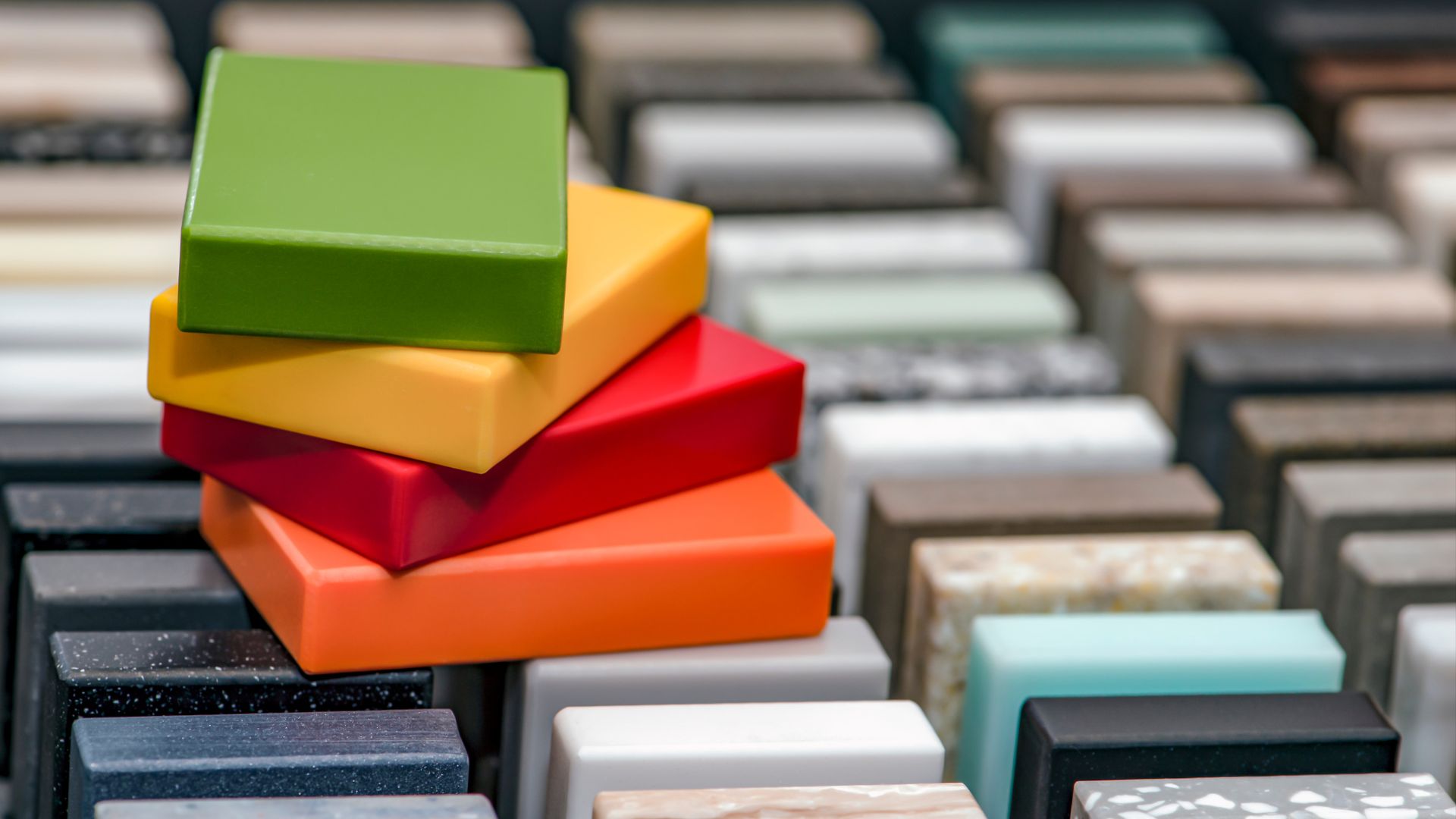
Another aesthetic advantage is the availability of a wide range of colors, patterns, and finishes. Designers can choose from neutral tones for minimalist spaces or bold colors for more expressive designs. Some solid surface materials also incorporate translucent properties, allowing creative lighting effects that add visual depth and sophistication to interior environments.
Customization for Unique Interior Concepts
Customization is another important feature that enhances the design flexibility of solid surface materials. Manufacturers are able to produce customized shapes, sizes, and color combinations according to specific project requirements. This capability is particularly valuable for large architectural projects where unique design concepts are required.
For example, hotels and luxury resorts often require distinctive bathroom and reception area designs that reflect their brand identity. Solid surface materials can be tailored to meet these needs by creating bespoke basins, bathtubs, counters, and decorative wall panels. Such customization helps designers achieve a cohesive interior theme while maintaining functionality and durability.
Additionally, custom fabrication allows designers to integrate solid surfaces with other materials such as wood, glass, or metal. This combination of materials creates visually striking interiors that blend natural textures with modern surfaces.
Hygienic and Easy-to-Maintain Surfaces
Beyond aesthetics, solid surface materials offer practical benefits that contribute to their widespread use in residential and commercial environments. One of the most significant advantages is their non-porous structure. Because the surface does not absorb liquids, it resists stains, mold, and bacterial growth.
This property makes solid surfaces especially suitable for spaces that require strict hygiene standards, including kitchens, hospitals, and laboratories. The seamless design also prevents the accumulation of dirt and moisture in joints or crevices, making cleaning and maintenance easier.
In addition, minor scratches or surface damage can often be repaired through simple polishing or refinishing processes. This ability to restore the surface helps maintain its appearance over time and extends the lifespan of the material.
Durability and Long-Term Performance
Another benefit of solid surface materials is their durability. High-quality solid surfaces are designed to withstand daily wear, impact, and temperature changes. They maintain their color and texture over long periods of use, even in high-traffic environments such as hotels, restaurants, and commercial buildings.
The materials are also resistant to common household chemicals and cleaning agents, which ensures they remain functional and visually appealing for years. This durability makes them a practical choice for both residential homeowners and commercial property developers seeking long-lasting interior solutions.
Furthermore, solid surfaces provide a comfortable tactile experience due to their smooth matte finish. Unlike natural stone, which can feel cold or rough, these surfaces maintain a pleasant texture that enhances the user experience.
Supporting Contemporary Architectural Trends
Modern architecture emphasizes open spaces, fluid forms, and integrated design elements. Solid surface materials align well with these trends because they allow designers to create continuous surfaces and sculptural forms. Whether used in a sleek kitchen island, a curved reception desk, or a freestanding bathtub, solid surfaces contribute to visually striking and cohesive interiors.
As architectural styles continue to evolve, materials that offer both aesthetic versatility and functional reliability will remain essential. Solid surface solutions support these requirements by enabling innovative designs without sacrificing durability or ease of maintenance.
Conclusion
Design flexibility and aesthetic appeal are two of the most important factors influencing material selection in modern interior design. Solid surface materials provide a combination of seamless appearance, customizable forms, and long-lasting durability. These qualities allow architects and designers to develop unique and visually compelling spaces.
Through advanced manufacturing techniques and a broad range of design options, solid surface products offer practical and creative advantages for kitchens, bathrooms, and commercial interiors. Their ability to combine functionality with elegant design makes them an increasingly popular choice in contemporary architecture and interior design projects.