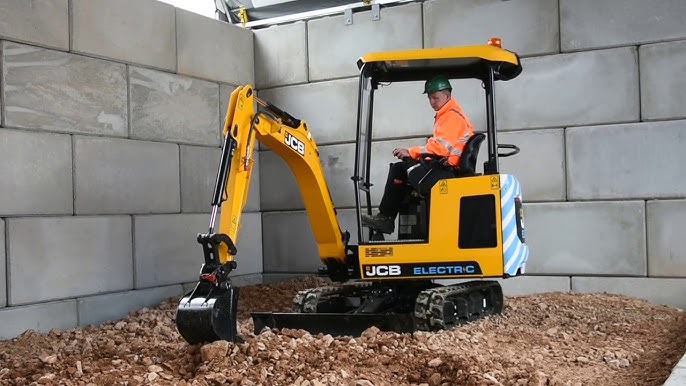
Electric mini excavators are becoming a preferred choice in modern construction due to their efficiency, compact design, and environmentally friendly operation. However, selecting the right machine requires a clear understanding of its technical specifications. These details directly influence performance, suitability for different job sites, and overall productivity.
When evaluating an electric mini excavator for sale, buyers should carefully review key specifications such as operating weight, digging depth, battery capacity, and hydraulic performance. Each factor plays a critical role in determining whether the machine matches project requirements.
Table of Contents
ToggleOperating Weight and Machine Size
Operating weight is one of the most important specifications for any mini excavator. It determines stability, transportability, and suitability for different work environments.
Key considerations include:
- Lighter models are ideal for tight residential spaces
- Heavier models provide better stability for demanding excavation work
- Transport regulations may depend on machine weight
- Weight affects ground pressure and surface impact
Choosing the correct weight ensures efficient operation without damaging sensitive surfaces.
Digging Depth and Reach Capability
Digging depth defines how deep the machine can excavate, while reach determines how far it can extend horizontally. These specifications are essential for planning excavation tasks.
Important aspects include:
- Maximum trench depth for utility installation
- Horizontal reach for wider excavation zones
- Dumping height for loading materials
- Swing radius for confined job sites
Matching these capabilities to project requirements helps improve efficiency and reduce repositioning time.
Battery Capacity and Runtime
Since electric mini excavators rely on battery power, energy capacity is a critical specification. It directly affects how long the machine can operate before recharging.
Key points to evaluate:
- Total operating hours per full charge
- Charging time and infrastructure requirements
- Battery lifespan and cycle durability
- Energy efficiency under load conditions
A well-balanced battery system ensures consistent productivity throughout the workday.
Hydraulic System Performance
Hydraulic systems control the digging, lifting, and movement functions of the excavator. Their performance is essential for smooth and precise operation.
Important hydraulic specifications include:
- Pump flow rate for operational speed
- System pressure for digging strength
- Control responsiveness for precision work
- Efficiency under continuous load
Strong hydraulic performance improves both speed and accuracy on the job site.
Bucket Capacity and Attachment Compatibility
Bucket size and compatibility with attachments determine how versatile the machine can be across different applications.
Key considerations include:
- Standard bucket capacity for general excavation
- Compatibility with trenching, grading, or demolition attachments
- Ease of switching between tools
- Impact on productivity and cycle time
A flexible system allows the excavator to handle multiple job types efficiently.
Travel Speed and Mobility
Travel speed affects how quickly the machine can move around a job site. This is especially important in large or multi-zone projects.
Important factors include:
- Maximum travel speed on different terrains
- Stability during movement
- Maneuverability in tight spaces
- Track design and durability
Good mobility improves overall job site efficiency.
Electrical System and Safety Features
Electric mini excavators include advanced electrical systems that ensure safe and reliable operation. These systems also support monitoring and diagnostics.
Key features include:
- Battery management systems for efficiency
- Overload protection for safety
- Emergency stop functions
- Real-time performance monitoring
These features help maintain safe working conditions and reduce operational risks.
Operator Comfort and Cabin Design
Operator comfort is closely linked to productivity, especially during long working hours. Machine specifications often include ergonomic design details.
Important comfort-related features:
- Adjustable seating and control layout
- Reduced vibration during operation
- Clear visibility from the cabin
- Noise reduction for improved working conditions
A comfortable operator can work more efficiently and safely.
Conclusion
Understanding machine specifications is essential when selecting an electric mini excavator. Factors such as operating weight, digging depth, battery capacity, hydraulic performance, and operator comfort all influence how well the machine will perform in real-world applications.
For contractors and buyers seeking reliable and efficient equipment, carefully reviewing specifications before choosing an electric mini excavator for sale ensures better performance, improved productivity, and long-term value across a variety of construction projects.