Food manufacturers carefully evaluate amino acid ingredients to ensure that their products meet formulation, safety, and quality requirements. L-proline is one such amino acid, valued for its role in protein structure and its potential use in suitable nutritional and food-related formulations. When supplied in powdered form, it can be incorporated into manufacturing processes that require controlled ingredient quantities and consistent specifications.
Food-grade ingredients must meet requirements appropriate to their intended use and target market. Businesses considering Food Grade L-Proline should evaluate its identity, purity, contaminant limits, manufacturing controls, and supporting documentation before approving it for production. Understanding these factors helps food manufacturers make informed sourcing decisions and maintain consistent product quality.
What Is L-Proline?
L-proline is a naturally occurring, proteinogenic amino acid found in the human body and in many dietary protein sources. Its chemical structure is distinctive because its side chain connects to its amino nitrogen, forming a five-membered ring.
This structure influences the way proline behaves within proteins. It is particularly important in collagen, a structural protein found in connective tissues such as skin, tendons, cartilage, and bones.
The body can synthesize proline from other metabolic compounds, including glutamate. It is also obtained through foods such as meat, fish, dairy products, eggs, and certain legumes.
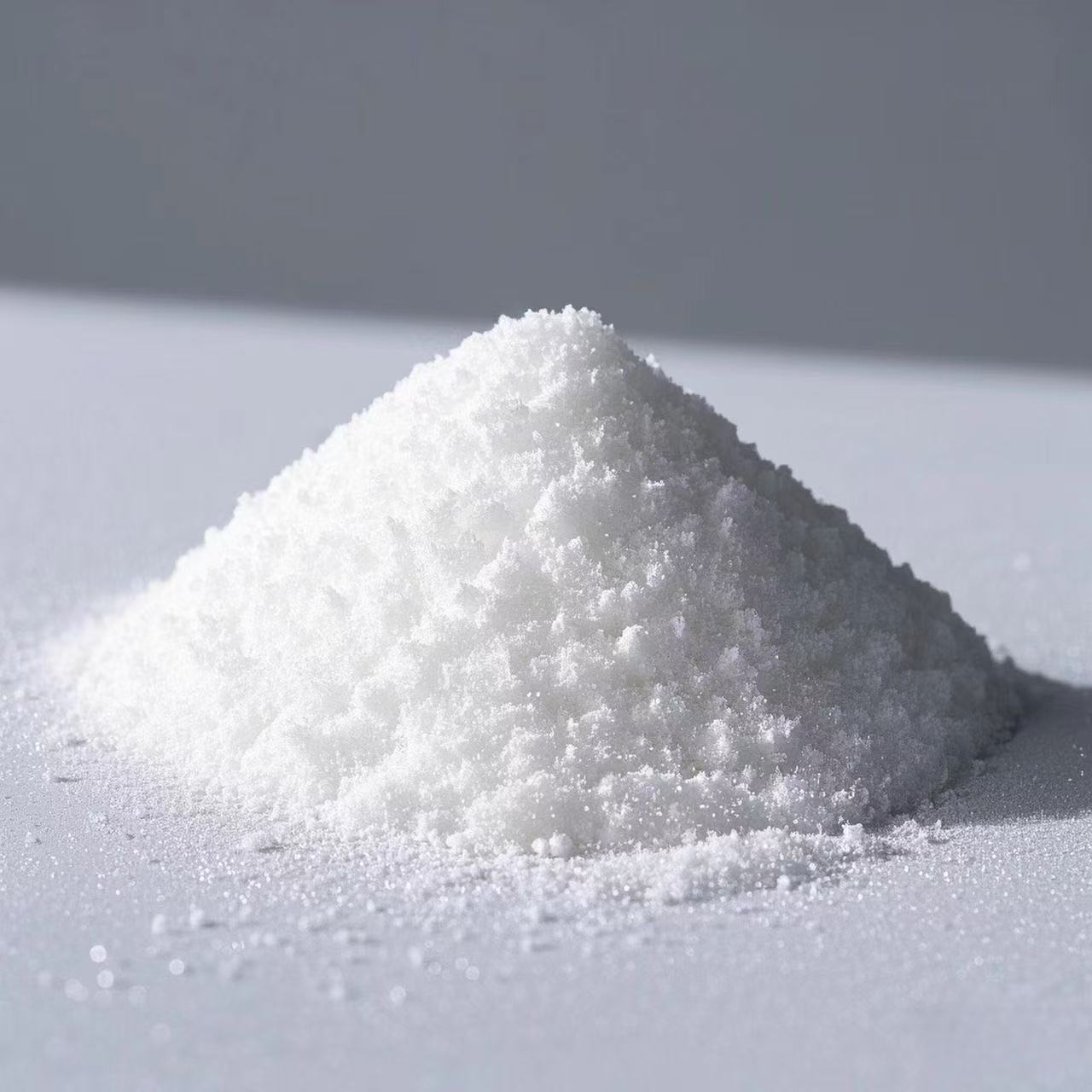
Commercial L-proline is commonly supplied as a powder. For food manufacturing, the ingredient must have specifications and manufacturing controls suitable for the intended food application.
Why Food Manufacturers Use L-Proline
L-proline may be considered in selected food and nutritional formulations because of its amino acid composition and biological relevance.
1. Amino Acid Formulation
L-proline can be included in amino acid blends and specialized nutritional formulations where its presence is appropriate.
Manufacturers should evaluate the overall amino acid composition of a product rather than considering proline in isolation. A balanced formulation depends on the intended nutritional purpose and the contribution of other ingredients.
2. Specialized Nutrition Products
Certain nutritional products are developed with specific amino acid profiles. L-proline may be included when supported by the formulation’s nutritional objectives and permitted under applicable regulations.
Its inclusion does not automatically establish a particular health benefit. Finished-product claims should be supported by suitable scientific evidence and comply with local labeling requirements.
3. Protein-Related Formulations
Proline is a component of many proteins and has a particularly important role in collagen structure.
Food manufacturers may consider its amino acid contribution when developing specialized protein or amino acid products. However, adding free L-proline is not equivalent to adding complete dietary protein, because it does not supply all essential amino acids.
4. Research and Product Development
Food scientists may use L-proline in formulation studies to investigate ingredient compatibility, processing behavior, and amino acid composition.
Before commercial use, any proposed application should be evaluated for regulatory suitability, stability, sensory effects, and finished-product quality.
Key Biological Properties of L-Proline
Understanding proline’s biological functions provides context for its use as a nutritional ingredient.
Collagen Structure
Collagen contains substantial quantities of proline and hydroxyproline. These amino acids contribute to the structure and stability of collagen’s characteristic triple helix.
Some proline residues undergo hydroxylation through an enzyme-dependent process that requires vitamin C. This helps explain the importance of proline in collagen biology.
Protein Organization
Proline’s cyclic structure restricts the flexibility of the protein backbone. This can influence protein folding and introduce bends or turns into protein chains.
Its structural characteristics make it different from many other amino acids.
Amino Acid Metabolism
Proline participates in metabolic pathways connected with glutamate and other amino acids. Its synthesis and breakdown contribute to the body’s broader amino acid metabolism.
These functions are relevant to normal physiology, but they should not be interpreted as evidence that additional dietary proline necessarily improves tissue health or collagen production in healthy individuals.
Quality Requirements for Food Grade L-Proline
Food manufacturers should establish clear quality criteria before purchasing or approving an L-proline ingredient. The exact requirements depend on the intended product, manufacturing process, and regulations in the target market.
1. Ingredient Identity
The supplier should confirm that the material is L-proline. Product labels, specifications, and certificates of analysis should consistently identify the ingredient.
Appropriate analytical testing should support chemical identity. Where relevant, the testing approach should also confirm the required stereochemical form.
2. Purity and Assay
Purity and assay results provide information about the amount of the intended substance in the ingredient.
Buyers should review the supplier’s acceptance limits, reported results, and analytical methods. They should also check whether assay values are calculated on an as-is or dried basis.
A high assay result alone does not establish that an ingredient meets every food safety or regulatory requirement.
3. Heavy Metals and Contaminants
Food-grade raw materials should be assessed for relevant contaminants, including heavy metals and other substances associated with the manufacturing process.
Applicable limits vary by jurisdiction and intended use. Buyers should request suitable testing evidence and confirm that the material meets the requirements for their target market.
4. Microbiological Quality
Microbiological requirements are important when evaluating ingredients for food production.
Depending on the application, testing may include total microbial counts, yeast and mold, and specified pathogenic microorganisms. Acceptance criteria should reflect the ingredient specification and applicable food safety requirements.
5. Moisture Content
Moisture can affect the handling and physical condition of powdered L-proline.
Manufacturers should review the supplier’s moisture or loss-on-drying specification and confirm that the packaging protects the material from environmental exposure.
6. Physical Characteristics
Appearance, particle characteristics, and solubility may influence handling and formulation processes.
The ingredient should match the agreed product specification. Any unusual color, visible contamination, or unexpected physical change should be investigated before use.
Documents to Request From a Food Grade L-Proline Supplier
Documentation supports ingredient approval, quality assurance, and traceability.
| Document | Purpose |
|---|---|
| Certificate of Analysis (CoA) | Reports analytical results for a specific batch |
| Technical Data Sheet (TDS) | Describes chemical and physical properties |
| Safety Data Sheet (SDS) | Provides handling and safety information |
| Product Specification | Defines quality limits and acceptance criteria |
| Allergen Statement | Provides relevant allergen information |
| Contaminant Testing Records | Supports assessment of relevant food safety risks |
| Manufacturing Certifications | Provides evidence of applicable quality systems |
| Traceability Information | Connects delivered material to its production batch |
Buyers should verify that documentation is current and product-specific. A batch-specific certificate of analysis is particularly useful for confirming that the delivered lot has been tested against the agreed specification.
Food Grade vs. Pharmaceutical Grade L-Proline
Although food-grade and pharmaceutical-grade L-proline may share the same chemical identity, their intended uses and quality requirements can differ.
| Consideration | Food Grade | Pharmaceutical Grade |
|---|---|---|
| Intended application | Suitable food and nutritional products | Applicable pharmaceutical manufacturing |
| Quality framework | Relevant food safety and ingredient regulations | Applicable pharmaceutical quality requirements |
| Testing | Based on food application and regulatory requirements | Based on pharmaceutical specifications and product requirements |
| Documentation | Food-related quality and safety records | Pharmaceutical quality documentation |
| Manufacturing controls | Appropriate food safety and production controls | Appropriate pharmaceutical quality systems |
A food-grade designation does not automatically mean that a product meets pharmaceutical requirements. Likewise, pharmaceutical suitability should not be assumed without appropriate documentation and approval.
How Food Manufacturers Should Select an L-Proline Supplier
Supplier evaluation is essential because ingredient quality and delivery consistency can affect production schedules and finished-product compliance.
1. Confirm Food Application Suitability
Ask the supplier to identify the product grade and intended applications. Confirm that the ingredient is suitable for the relevant food category and target market.
The presence of a food-grade label should be supported by appropriate specifications and regulatory documentation.
2. Review Manufacturing Controls
Evaluate the supplier’s quality management procedures, production controls, sanitation practices, and measures for preventing contamination.
Where certifications are provided, verify their issuing organization, validity, and scope.
3. Compare Batch Consistency
Request certificates of analysis from multiple batches where possible. Comparing results can help identify variation in assay, moisture, and other relevant attributes.
4. Assess Supply Reliability
Consider production capacity, minimum order quantities, available inventory, and delivery lead times.
For manufacturers with recurring demand, the supplier should be able to explain how it manages repeat orders and communicates potential supply interruptions.
5. Evaluate Technical Support
A suitable supplier should be able to answer questions about specifications, analytical methods, storage, packaging, and documentation.
Clear communication helps resolve quality concerns and supports a more efficient ingredient approval process.
Storage and Handling in Food Manufacturing
Proper handling helps protect L-proline powder from contamination and environmental exposure.
Protect Against Moisture
Store the powder in sealed packaging or approved containers. Keep storage areas clean and dry, and close containers promptly after opening.
Follow Recommended Temperature Conditions
Use the manufacturer’s documented storage recommendations. Avoid unnecessary exposure to excessive heat or other conditions that could affect ingredient quality.
Use Hygienic Handling Procedures
Employ clean, dry utensils and suitable material transfer equipment. Follow facility procedures for personnel hygiene, cleaning, and contamination prevention.
Maintain Batch Records
Record batch numbers, receipt dates, expiry or retest dates where applicable, and storage locations. These records support traceability and stock management.
Inspect Incoming Shipments
Check packaging for damage, broken seals, or signs of moisture exposure. Material that appears compromised should be held for assessment by the responsible quality team before use.
Regulatory and Labeling Considerations
Food ingredient requirements differ between countries and product categories. Manufacturers must confirm that L-proline is permitted for the intended use and complies with the applicable regulatory framework.
Important considerations may include:
- Whether the ingredient is permitted in the intended food category.
- Applicable purity and contaminant limits.
- Ingredient declaration and labeling requirements.
- Restrictions on nutritional or health claims.
- Required manufacturing and food safety controls.
- Import documentation and local registration requirements, where applicable.
The regulatory status of an ingredient should be confirmed for the target market rather than assumed to be identical worldwide. Food manufacturers should consult relevant authorities or qualified regulatory professionals when necessary.
Common Mistakes to Avoid When Purchasing Food Grade L-Proline
Several purchasing mistakes can create quality, compliance, or production challenges.
- Assuming all grades are interchangeable: Food-grade material should be distinguished from pharmaceutical and laboratory grades.
- Relying only on purity claims: Identity, contaminants, microbiological quality, and documentation also matter.
- Ignoring regulatory suitability: An ingredient’s acceptability depends on its intended use and target market.
- Overlooking batch documentation: A product brochure cannot replace batch-specific analytical records.
- Neglecting storage requirements: Poor packaging or handling can affect the condition of powdered ingredients.
- Choosing solely by price: Low purchase costs may be offset by quality problems, additional testing, or supply delays.
A structured purchasing and supplier approval process helps reduce these risks.
Conclusion
Food-grade L-proline is an amino acid ingredient that may be used in suitable nutritional formulations, food product development, and specialized manufacturing applications. Its distinctive molecular structure and role in protein organization make it relevant to several areas of food and nutritional science.
Successful ingredient selection requires careful evaluation of identity, assay, impurities, microbiological quality, moisture, and regulatory suitability. Manufacturers should also review supplier documentation, packaging, storage recommendations, and batch traceability.
By defining application requirements and working with qualified suppliers, food manufacturers can make informed sourcing decisions and maintain consistent raw material quality throughout their production processes.