

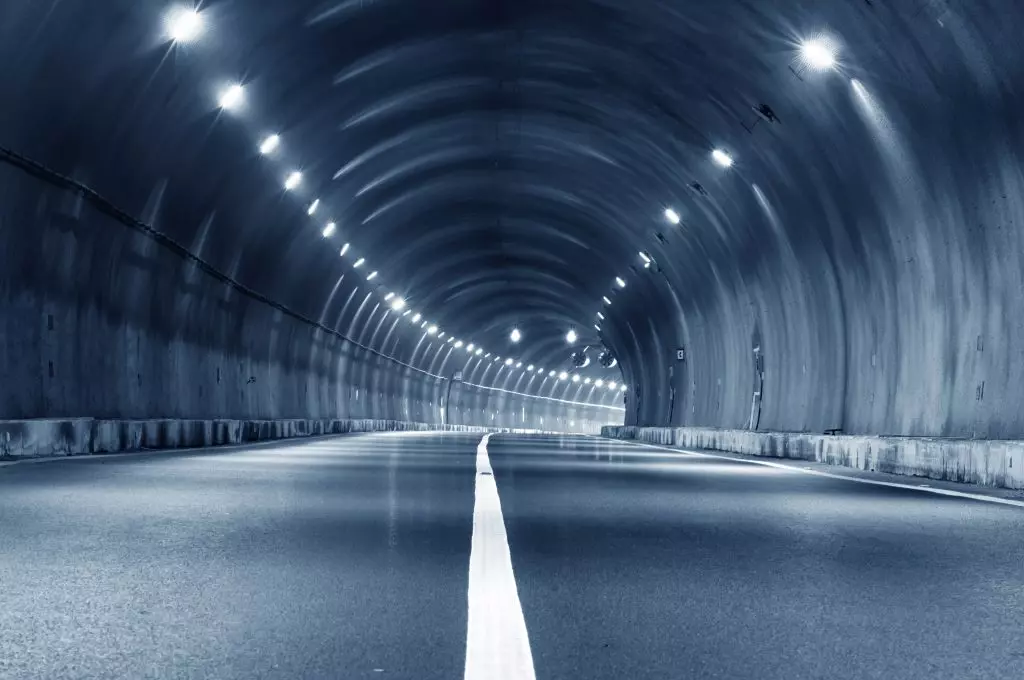
Tunnel lighting projects can vary considerably in size, structure, traffic conditions, and operating requirements. A standard fixture may not always match the exact needs of every installation, particularly when a project has unusual dimensions, mounting arrangements, or environmental conditions.
Working with an LED Tunnel Lighting Manufacturer that can develop customized solutions allows project requirements to be considered during the product design process. Customization may involve optical performance, power levels, housing dimensions, mounting methods, controls, or other technical characteristics.
Assessing the Project Requirements
The customization process typically begins with understanding the tunnel itself. Manufacturers may review information such as tunnel dimensions, roadway width, ceiling height, traffic direction, mounting locations, and expected operating conditions.
Environmental factors are also important. Temperature, humidity, dust, moisture, vibration, and ventilation can influence the materials and protection features required for the lighting fixtures.
Defining Lighting Requirements
Different sections of a tunnel may have different illumination requirements. Entrance, transition, interior, and exit zones can require different output levels or optical distributions.
Manufacturers can use project information to determine which lighting characteristics need to be adjusted. This helps ensure that customization is based on actual installation requirements rather than unnecessary product modifications.
Developing the Optical System
Optical design is often an important part of custom tunnel lighting. The beam distribution needs to match the mounting height, fixture spacing, roadway width, and desired illumination pattern.
Manufacturers can develop or select suitable lenses and optical components to direct light toward the required areas. Photometric analysis can then be used to evaluate the resulting distribution before production.
Selecting the Appropriate Power Level
Custom projects may require different fixture power levels depending on installation conditions. A fixture that is suitable for one mounting height or spacing arrangement may not provide the same results in another application.
Manufacturers can configure LED quantities, drive currents, and other electrical characteristics to achieve an appropriate output. The goal is to match power consumption with the required lighting performance.
Adapting the Fixture Housing
Physical dimensions can sometimes require modifications to the fixture housing. Available mounting space, existing infrastructure, or replacement requirements may influence the size and shape of the product.
Housing customization can also address environmental protection and thermal requirements. Any dimensional changes need to be evaluated to ensure they do not negatively affect heat dissipation or structural integrity.
Custom Mounting Arrangements
Tunnel structures do not always provide identical mounting conditions. Fixtures may need to be installed on ceilings, walls, brackets, or existing support structures.
Manufacturers can develop mounting accessories or adapt fixture configurations to accommodate specific installation conditions. Accurate measurements and mounting information are important during this stage.
Integrating Dimming and Controls
Modern tunnel projects may require lighting systems that can respond to daylight levels, traffic conditions, or different operating schedules. Custom control interfaces can help integrate fixtures into a larger lighting management system.
Manufacturers may configure drivers and control components to support the required dimming or communication method. Compatibility should be confirmed between the fixtures and the project’s central control system.
Addressing Environmental Requirements
Custom lighting may be necessary when a tunnel has particularly demanding environmental conditions. High humidity, temperature extremes, dust, corrosive conditions, or vibration can influence product specifications.
Manufacturers can select appropriate housing materials, sealing methods, electrical protection, and thermal components based on the identified conditions. Environmental testing can then be used to evaluate the customized design.
Prototype Development
Before moving to large-scale production, a manufacturer may develop a prototype or sample version of the customized fixture. This provides an opportunity to review dimensions, mounting arrangements, electrical characteristics, and optical performance.
Testing the prototype can help identify design adjustments before the final configuration is approved. This can be especially useful for large infrastructure projects where many fixtures will be installed.
Testing the Customized Product
Custom fixtures should be evaluated against the requirements defined during the design stage. Testing may include electrical performance, thermal behavior, photometric output, environmental protection, and mechanical characteristics.
The exact testing process depends on the product design and project requirements. Documentation from these evaluations can help project teams verify that the customized fixture meets the agreed specifications.
Production and Quality Consistency
Once a custom design is approved, maintaining consistency during production becomes important. Large projects may require many fixtures with identical specifications.
Manufacturers can use defined production procedures, component controls, inspection processes, and final testing to reduce variations between units. Consistent manufacturing helps ensure that fixtures perform similarly after installation.
Documentation and Technical Coordination
Custom projects often require detailed documentation because the final product may differ from a standard catalog model. Drawings, specifications, installation instructions, electrical information, and photometric files can help different project teams work from the same information.
Clear communication between the manufacturer, lighting designer, contractor, and procurement team is especially important when changes are made during development.
Conclusion
Developing custom LED tunnel lighting involves more than modifying the appearance of a standard fixture. Manufacturers may need to consider optical distribution, power levels, housing design, mounting arrangements, controls, environmental protection, and testing.
A structured customization process begins with the actual requirements of the tunnel and continues through design, prototyping, testing, production, and documentation. This approach helps ensure that customized lighting equipment is technically aligned with the conditions and objectives of the infrastructure project.

