Desalination and water reuse are critical technologies in addressing global water scarcity and ensuring sustainable water supply. These processes require precise monitoring of water quality to protect equipment, ensure regulatory compliance, and provide safe water for consumption or industrial use. One of the most important parameters to control is pH, and pH sensors play a vital role in monitoring and maintaining optimal water conditions.
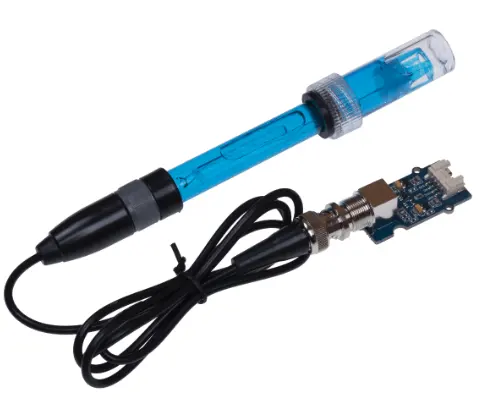
pH sensors measure the concentration of hydrogen ions in water and convert this chemical information into an electrical signal that reflects the pH level. By providing continuous, real-time monitoring, these sensors help operators detect deviations, optimize treatment processes, and prevent corrosion or scaling in desalination and reuse systems. For an in-depth explanation of how these devices operate and their applications in water treatment, you can explore this guide on pH sensors, which details their technology, practical use, and benefits.
Table of Contents
ToggleThe Importance of pH Control in Desalination
In desalination plants, controlling pH is crucial for several reasons. Water with low pH can be highly corrosive, damaging pipelines, pumps, and membranes. Conversely, water with high pH can promote scaling, reducing the efficiency of reverse osmosis and other desalination processes. Maintaining the correct pH ensures the longevity of equipment, optimal operation, and energy efficiency. pH sensors allow plant operators to continuously monitor water chemistry and adjust treatment processes accordingly, reducing operational risks and maintenance costs.
Applications in Water Reuse Systems
Water reuse systems, which treat and recycle wastewater for industrial, agricultural, or even potable applications, also rely heavily on pH monitoring. Variations in pH can affect biological treatment processes, chemical dosing, and disinfection efficiency. By using pH sensors, operators can maintain stable water conditions, ensuring that recycled water meets safety standards and performs well in downstream applications. Continuous pH monitoring is especially important for automated systems that rely on real-time data to control chemical additions and treatment steps.
Types of pH Sensors in Water Treatment
Several types of pH sensors are commonly used in desalination and water reuse facilities:
-
Glass Electrode Sensors: Provide accurate measurements for most aqueous solutions and are suitable for both laboratory and industrial applications.
-
ISFET Sensors (Ion-Selective Field Effect Transistors): Offer durability, fast response times, and performance in challenging or high-temperature water conditions.
-
Combination Electrodes: Integrate measuring and reference electrodes into a single unit, simplifying installation, maintenance, and reliability.
Selecting the right sensor type depends on water composition, system design, and operational conditions.
Integration With Monitoring and Control Systems
Modern desalination and water reuse plants often integrate pH sensors into automated monitoring and control systems. This integration allows:
-
Real-Time Monitoring: Continuous pH readings detect deviations quickly.
-
Automated Dosing: Adjusting acids, bases, or neutralizing chemicals automatically to maintain target pH levels.
-
Data Logging and Analysis: Historical data supports trend analysis, predictive maintenance, and regulatory reporting.
-
Alarm Systems: Immediate alerts inform operators of abnormal pH levels, preventing equipment damage and water quality issues.
This integration ensures efficient operation, reduces manual intervention, and improves decision-making.
Maintenance and Calibration
For reliable long-term performance, pH sensors require regular calibration and maintenance. Calibration using standard buffer solutions corrects for electrode drift, while routine cleaning prevents fouling and ensures accurate readings. Sensors designed for water treatment environments are often built to withstand temperature changes, high salinity, and chemical exposure, ensuring consistent monitoring and data quality.
Benefits of Using pH Sensors in Water Treatment
The application of pH sensors in desalination and water reuse provides multiple advantages:
-
Enhanced Water Quality: Maintains stable pH levels that protect equipment and ensure safe, compliant water.
-
Operational Efficiency: Optimizes chemical usage, reduces energy consumption, and minimizes downtime.
-
Equipment Protection: Prevents corrosion and scaling, extending the lifespan of membranes, pumps, and pipelines.
-
Regulatory Compliance: Supports documentation and monitoring requirements for treated water quality.
-
Cost Savings: Reduces chemical waste, maintenance costs, and potential equipment replacement.
These benefits make pH monitoring indispensable in modern water treatment operations.
Conclusion
pH sensors are essential for ensuring efficient, reliable, and safe operation in desalination and water reuse facilities. By providing continuous, accurate monitoring of water chemistry, these sensors allow operators to maintain optimal conditions, protect critical equipment, and meet regulatory standards. Proper integration with automated systems and routine maintenance ensures consistent performance, enabling sustainable and cost-effective water treatment processes.