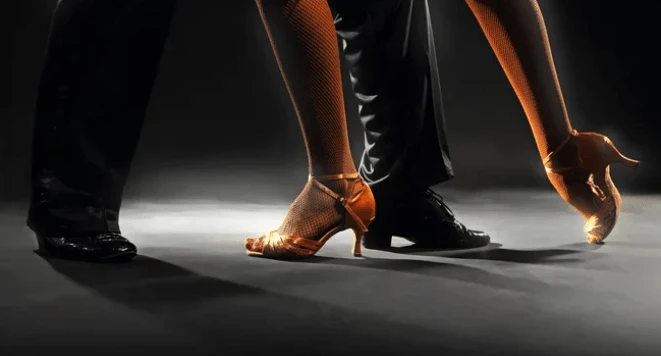
Choosing the right Latin dance shoes can make a noticeable difference in your balance, footwork, comfort, and overall performance. Whether you enjoy salsa, cha-cha, rumba, samba, or competitive Latin dancing, your footwear should support the movements and techniques required by your preferred style. A well-chosen pair can help you move confidently while reducing unnecessary strain on your feet.
Every dancer has different needs, from heel height and sole flexibility to fit and ankle support. Exploring options such as Custom Latin Dance Shoes can help you find footwear that better matches your foot shape, dancing experience, and personal preferences. Understanding the essential features before making a decision will make it easier to select shoes that complement your technique and practice routine.
Understand Your Latin Dance Style
Different Latin dance styles involve distinct rhythms, movements, and weight transfers. Your shoes should accommodate these differences rather than restrict your natural movement.
Salsa and Cha-Cha
Salsa often involves quick directional changes, turns, and energetic footwork. Shoes with a secure fit, a flexible sole, and reliable floor contact can help dancers maintain control during rapid movements.
Cha-cha requires precise timing and sharp foot actions. Lightweight shoes that allow natural foot articulation can support quick steps while helping you maintain a consistent rhythm.
Rumba
Rumba emphasizes controlled movements, expressive body action, and deliberate weight transfers. Comfort and flexibility are particularly important because dancers need to articulate their feet and maintain stability throughout slower, more controlled sequences.
A shoe that fits securely without squeezing the toes can make extended practice sessions more comfortable.
Samba
Samba features energetic rhythms, bouncing actions, and continuous movement. Dancers may benefit from shoes that combine a secure upper with suitable flexibility and a stable heel.
The right balance between support and freedom of movement depends on your technique, experience, and the intensity of your dancing.
Choose the Right Heel Height
Heel height influences posture, balance, and the way your weight is distributed across your feet. For Latin dancing, heels can also affect the appearance of leg lines and the ease of performing specific techniques.
Beginners often benefit from starting with a moderate, manageable heel height. This allows them to develop balance, foot placement, and confidence before moving to higher heels.
Experienced dancers may prefer a higher heel that complements their established technique. However, the most suitable height should feel stable and comfortable rather than simply matching current trends.
When selecting heel height, consider your ankle strength, previous dance experience, and the amount of time you spend practicing. If possible, test different heights during basic steps and turns before committing to a pair.
Pay Attention to Fit and Foot Shape
Proper fit is one of the most important factors when choosing Latin dance footwear. Shoes that are too loose can reduce control during turns, while shoes that are too tight may cause discomfort, pressure points, or blisters.
Your toes should have enough room to remain comfortable without allowing excessive movement inside the shoe. The heel should feel secure, and the straps should hold the foot in place without digging into the skin.
Custom sizing can be useful for dancers with narrow heels, wider forefeet, high arches, or other fit preferences that standard sizing does not accommodate well.
Measure both feet when possible, as small differences in foot length or width are common. Use the larger foot as a starting point when evaluating size, and consult the manufacturer’s sizing guidance before ordering.
Select the Best Sole for Your Practice Environment
The sole affects how your shoes interact with the dance floor. Latin dance shoes commonly use suede soles because they provide a useful balance of controlled traction and smooth movement on suitable indoor dance surfaces.
A sole that grips too strongly may make turns difficult, while one that is excessively slippery can reduce confidence and stability. The ideal amount of traction depends on the floor material, its condition, and your dancing technique.
Consider where you will use your shoes most frequently:
- Studio practice: Choose a sole suited to the studio’s flooring and regular training sessions.
- Social dancing: Prioritize comfort, dependable floor contact, and ease of movement.
- Competitions: Look for footwear that supports precise technique, secure positioning, and the requirements of your routine.
Suede soles generally require more care than conventional rubber soles. Keeping them clean and brushing them appropriately can help maintain their texture and performance.
Evaluate Materials and Construction
The materials used in dance shoes influence their flexibility, durability, breathability, and appearance. Leather, satin, and synthetic materials each offer different advantages, so the best choice depends on your priorities.
Leather may provide a supportive feel and adapt to the foot over time. Satin is often selected for its elegant appearance, particularly in performance settings, while synthetic materials can offer alternative price points and maintenance requirements.
Construction quality matters just as much as the upper material. Examine the stitching, straps, sole attachment, and heel stability before purchasing. Well-constructed shoes should feel secure during movement and show no obvious signs of weak seams or uneven components.
For dancers who practice frequently, durability and ease of maintenance may be more valuable than decorative details alone.
Consider Ankle Support and Strap Design
Straps help secure the foot and influence how confidently you can move through turns, steps, and changes of direction. Common designs include ankle straps, T-straps, and cross-over straps.
Ankle straps provide a familiar, adjustable way to secure the shoe. T-straps can offer additional structure across the foot, while cross-over designs may help distribute pressure and create a secure fit for some dancers.
No single strap arrangement works best for everyone. Consider your foot shape, ankle mobility, and personal comfort when comparing designs. Straps should remain secure without restricting circulation or causing irritation.
If you have a history of ankle instability or recurring foot discomfort, consider seeking advice from a qualified healthcare professional before choosing footwear for demanding dance sessions.
Match Your Shoes to Your Skill Level
Your experience level should influence your footwear choices, especially when deciding on heel height, flexibility, and support.
Beginners should generally prioritize stability, a secure fit, and manageable heel heights. Comfortable footwear allows new dancers to concentrate on timing, posture, and coordination instead of constantly adjusting their shoes.
Intermediate dancers may benefit from experimenting with different sole characteristics, strap designs, and heel shapes as their technique develops. Small changes in footwear can affect balance and movement, so introduce them gradually.
Advanced dancers often have more specific preferences shaped by choreography, competition requirements, and established technique. Customization may help address individual fit requirements, but it should not replace proper training or sound movement mechanics.
Balance Style, Comfort, and Practicality
Appearance is an important consideration, particularly for performances and competitions, but visual appeal should not outweigh fit and function.
Choose a design that complements your dancewear while providing the support you need. Neutral shades may coordinate easily with different outfits, whereas metallic finishes and decorative details can create a distinctive stage appearance.
Also consider how frequently you will wear the shoes. Dancers who train several times a week may need a durable pair that is easy to maintain, while occasional social dancers may prioritize versatility and comfort.
If you are considering a customized design, identify your essential requirements first. These might include a specific heel height, preferred material, strap configuration, or adjustments for your foot shape.
Care for Your Latin Dance Shoes
Proper maintenance can help preserve the fit, appearance, and performance of your footwear.
Follow these practical care tips:
- Store your shoes in a breathable bag away from excessive heat and moisture.
- Allow damp shoes to dry naturally before storing them.
- Clean the upper material according to the manufacturer’s instructions.
- Brush suede soles with an appropriate sole brush to remove accumulated dirt and restore their texture.
- Inspect straps, stitching, and heels regularly for signs of wear.
Avoid wearing suede-soled dance shoes outdoors, as rough surfaces and moisture can damage the sole and affect its traction. Keeping a separate pair for dancing can help extend the life of your footwear.
Common Mistakes to Avoid When Buying Dance Shoes
Even experienced dancers can overlook important details when choosing new footwear. Avoiding a few common mistakes can help you make a more informed decision.
Choosing appearance over fit: Attractive designs are appealing, but uncomfortable shoes can interfere with technique and reduce your enjoyment of dancing.
Selecting heels that are too high: A heel that exceeds your current comfort or skill level may make balance and weight transfers more difficult.
Ignoring the dance floor: Sole materials behave differently across surfaces. Consider the flooring where you practice most often.
Assuming sizing is universal: Sizing can vary between manufacturers and styles. Always check measurements and fit guidance.
Skipping a movement test: If possible, test your shoes with basic steps, turns, and weight shifts before using them for a long session or performance.
Final Thoughts
Finding the right Latin dance shoes involves more than choosing an attractive design. Heel height, fit, sole material, construction, strap placement, and dance style all contribute to how comfortably and confidently you move.
Start by identifying your specific needs, then compare footwear options that support your technique and practice environment. Prioritize a secure fit and manageable heel height, and remember that your ideal shoes may change as your experience develops.
With careful selection and consistent maintenance, the right pair can support your progress, help you focus on your technique, and make every dance session more enjoyable.