

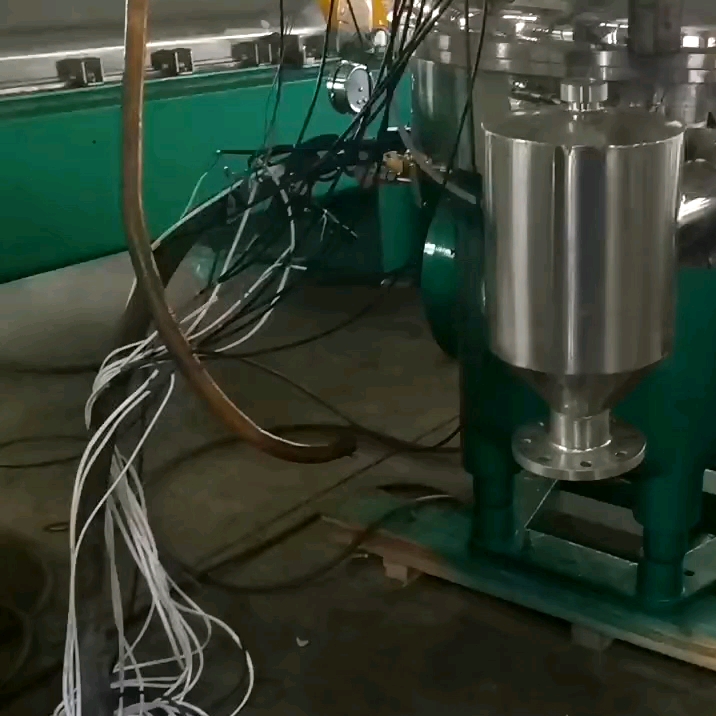
Disc bowl centrifuges are engineered to provide continuous separation of liquids, suspended solids, or two liquid phases. Their performance depends not only on rotational speed but also on the design of the bowl, disc stack, feed system, discharge mechanism, and supporting components.
Understanding these design features makes it easier to evaluate whether a Disc Bowl Centrifuge is appropriate for a particular industrial separation process. Each component has a specific role in maintaining separation efficiency, mechanical stability, and reliable operation.
Bowl Design
The rotating bowl is the primary separation chamber. It must withstand high centrifugal forces while maintaining accurate balance during continuous operation.
Bowl geometry affects the movement of solids and liquids inside the machine. The internal shape is therefore designed according to factors such as feed characteristics, separation requirements, and solids-handling capacity.
Disc Stack Configuration
The disc stack is one of the most important features of a disc bowl centrifuge. Multiple closely spaced conical discs create a large effective separation area within a relatively small bowl.
The spacing and angle of the discs influence how particles and liquid droplets migrate through the separation zone. A suitable configuration can improve clarification and phase separation without requiring a significantly larger machine.
Feed Distribution System
The feed system introduces process material into the rotating bowl and distributes it through the separation zone. Uniform distribution helps minimize turbulence and makes efficient use of the disc stack.
A well-designed inlet arrangement can also reduce uneven loading, helping the centrifuge maintain stable operation under continuous processing conditions.
High-Speed Drive System
A reliable drive system is essential because the bowl must rotate at high speed to generate sufficient centrifugal force. The drive assembly may include a motor, transmission components, bearings, and related control equipment.
Mechanical balance and accurate speed control are particularly important. Unstable rotation can increase vibration and place additional stress on bearings and other components.
Solids Discharge Design
For applications involving suspended solids, the method used to remove accumulated material is a key design consideration. Some centrifuges use automated discharge systems that periodically remove solids without requiring a complete shutdown.
The discharge mechanism needs to accommodate the expected solids concentration and characteristics. Incorrect discharge settings can result in unnecessary product loss or excessive solids accumulation.
Liquid Outlet Arrangement
Disc bowl centrifuges can be configured with outlets designed for clarified liquid, separated liquid phases, or other process streams. Outlet geometry and operating conditions influence how effectively the separated materials leave the bowl.
In liquid-liquid separation, the outlet arrangement also contributes to maintaining the interface between phases with different densities.
Sealing System
Seals help contain the process material and protect internal mechanical components from contamination. Their material and design should be compatible with the temperature and chemical characteristics of the feed.
Seal condition is also important for preventing leaks and maintaining hygienic or controlled processing conditions where required.
Bearing Arrangement
Bearings support the rotating bowl and help maintain its alignment during operation. Since they are exposed to high rotational speeds and mechanical loads, bearing quality and lubrication are important considerations.
Vibration, abnormal noise, or increased operating temperature can indicate potential bearing problems and should be investigated promptly.
Control and Monitoring Features
Modern centrifuges may incorporate control systems that monitor operating conditions and automate selected functions. Depending on the application, monitoring may include rotational speed, vibration, temperature, pressure, and discharge cycles.
These features can help operators maintain stable process conditions and identify abnormal operation at an early stage.
Material Selection
Materials used in the bowl and process-contact components need to withstand the characteristics of the feed. Factors such as corrosion resistance, temperature, chemical exposure, and cleaning requirements can influence material selection.
For food, pharmaceutical, and chemical applications, material compatibility and surface finish may be particularly important.
Compact and Accessible Construction
A well-designed centrifuge aims to provide substantial separation capacity without requiring excessive floor space. At the same time, components that require inspection or maintenance should be reasonably accessible.
Service-friendly construction can reduce maintenance time and make routine inspections easier, especially in continuous production environments.
Matching Design to the Application
There is no universal centrifuge configuration for every process. Flow rate, viscosity, particle size, density differences, solids concentration, temperature, and required separation efficiency all influence equipment design.
Shenzhou Machinery is one manufacturer of centrifugal separation equipment, but users should evaluate any centrifuge based on how its technical configuration matches the actual process requirements.
Conclusion
The most important design features of a disc bowl centrifuge include its rotating bowl, disc stack, feed distribution system, drive assembly, solids discharge mechanism, liquid outlets, seals, bearings, and control system.
These components work together to determine separation efficiency, operating stability, maintenance requirements, and equipment reliability. Selecting a design that matches the properties of the feed and the objectives of the process is essential for achieving consistent long-term performance.

