Point-of-sale systems are built to handle demanding business environments, from retail checkout counters to restaurants, hospitality venues, and service businesses. Behind every reliable terminal is a manufacturing process that involves product design, component selection, assembly, software integration, testing, and quality control.
Understanding how these systems are developed can help businesses make more informed purchasing decisions. A capable POS System Manufacturer considers factors such as durability, performance, connectivity, usability, and compatibility throughout the development process rather than treating manufacturing as simple hardware assembly.
Product Concept and Requirement Planning
The manufacturing process typically begins by defining the purpose of the POS system. Manufacturers assess the environments in which the equipment will operate and identify the features required by its intended users.
Key considerations may include:
- Screen size and display requirements
- Processing performance
- Available ports and connectivity
- Operating environment
- Peripheral compatibility
- Power requirements
- Expected usage levels
These requirements form the foundation for the product’s technical specifications.
Industrial and Hardware Design
Once the requirements are established, engineers develop the physical design of the POS terminal. The enclosure must protect internal components while providing convenient access to ports, controls, and other features.
Ergonomics are also important. A terminal used throughout a workday should provide a practical viewing angle and an interface that employees can operate comfortably.
Manufacturers may create prototypes to evaluate the physical design before moving into larger-scale production.
Selecting Internal Components
The next stage involves choosing the electronic components that will power the system. These may include processors, memory, storage, motherboards, display panels, power supplies, and connectivity modules.
Component selection involves balancing performance, reliability, availability, and cost. Choosing components that meet the system’s intended workload can help maintain consistent performance throughout its expected service life.
Prototype Development
A prototype allows engineers to evaluate how the different components work together. At this stage, manufacturers can identify design issues before committing to full production.
Prototype testing may cover thermal performance, power consumption, connectivity, display operation, peripheral connections, and physical durability. Feedback from this stage can lead to adjustments in the enclosure, internal layout, or component selection.
Manufacturing and Assembly
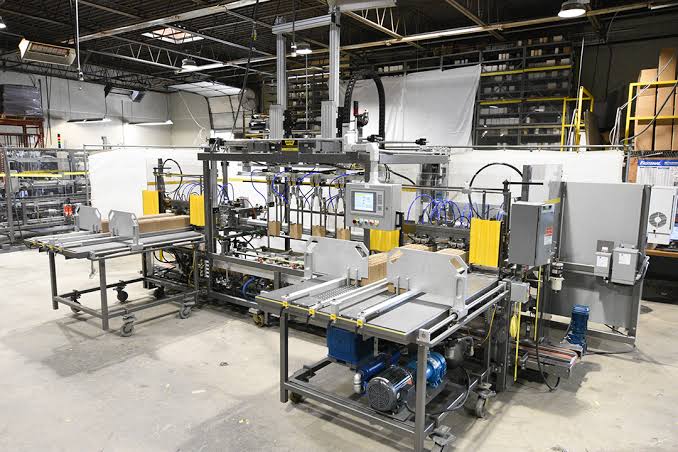
After the design has been validated, production can begin. Electronic components and mechanical parts are prepared for assembly according to the manufacturer’s specifications.
Depending on the product, the assembly process may involve:
- Preparing circuit boards and electronic components
- Installing internal hardware
- Connecting displays and peripheral interfaces
- Installing the enclosure
- Adding power and connectivity components
- Loading required firmware or software
- Completing final hardware assembly
Manufacturing procedures are generally standardized to ensure consistency between individual units.
Software and Firmware Integration
A POS terminal is more than a collection of physical components. Firmware and operating software allow the hardware to communicate with peripherals and support the applications used by businesses.
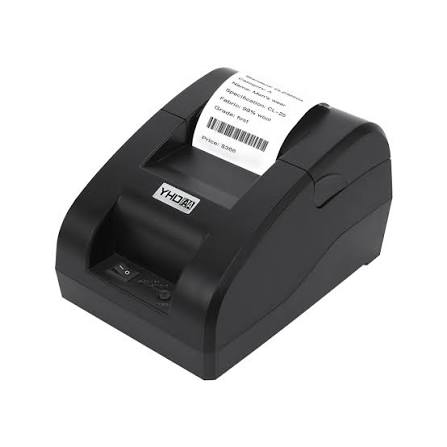
Manufacturers may configure firmware, drivers, operating systems, and other software components before the device reaches the customer. Proper integration helps ensure that the terminal can communicate effectively with compatible printers, scanners, payment devices, and other peripherals.
Quality Control and Testing
Testing is a critical stage of the manufacturing process. Each system must meet defined performance and quality requirements before shipment.
Quality checks can include:
- Display and touchscreen testing
- Port and connectivity checks
- Power and boot testing
- Peripheral communication
- Thermal testing
- Physical inspection
- Software and firmware verification
More demanding applications may also require extended testing to identify potential reliability issues before products enter the field.
Packaging and Final Inspection
After testing, finished POS systems undergo a final inspection. The manufacturer verifies that the correct components, accessories, documentation, and software configurations are included.
The equipment is then packaged to protect it during storage and transportation. Proper packaging is particularly important for terminals with large displays or sensitive electronic components.
Shipping and Deployment
Once the finished products leave the manufacturing facility, they may be distributed to businesses, resellers, or technology partners. Depending on the project, deployment can involve additional configuration, installation, and integration with existing POS infrastructure.
For larger deployments, manufacturers or their partners may prepare equipment according to specific business requirements before shipment.
Why Manufacturing Quality Matters
The manufacturing process has a direct effect on the reliability and usability of POS equipment. Consistent component selection, controlled assembly, software integration, and thorough testing can help reduce failures and performance problems.
For businesses, manufacturing quality can also influence long-term maintenance requirements. Equipment that is appropriately designed and tested for its intended environment may provide more predictable performance over time.
Conclusion
The journey from a POS system concept to a finished product involves multiple stages, including requirement planning, engineering, component selection, prototyping, assembly, software integration, and quality testing. Each stage contributes to the performance and reliability of the final device.
Understanding this process gives businesses useful context when evaluating POS equipment. Instead of focusing only on appearance or initial price, buyers can consider how design, components, manufacturing standards, testing, and long-term reliability contribute to the overall value of a POS system.