

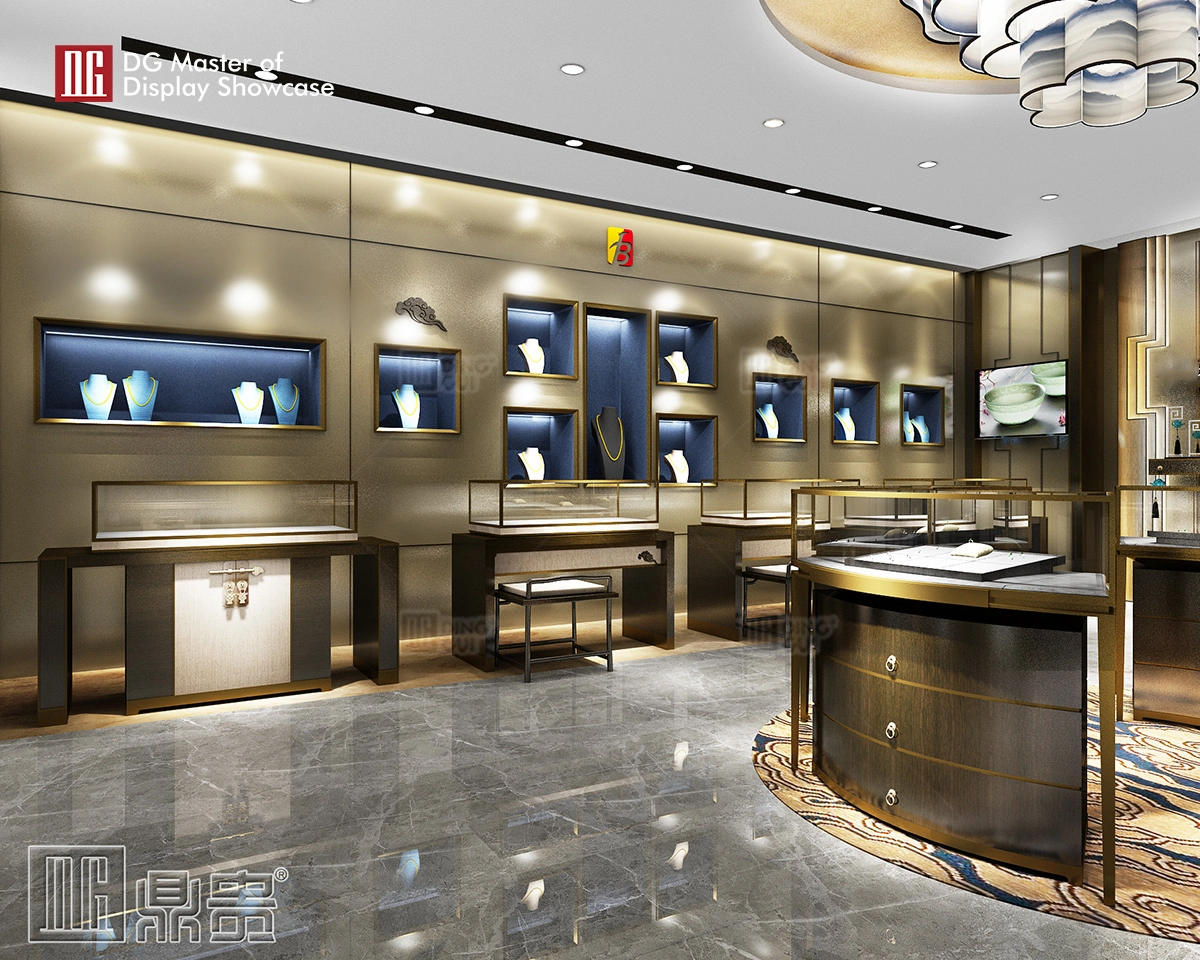
Every museum collection contains objects with different sizes, materials, shapes, and conservation requirements. A display case that works well for a small historical document may not be suitable for a large sculpture or delicate textile. Selecting the right type of enclosure is therefore an important part of exhibition planning.
A suitable Museum Showcase should provide an appropriate combination of protection, visibility, accessibility, and presentation. By considering the characteristics of each exhibit, museums can select display solutions that support both the object and the visitor experience.
Showcases for Small Artifacts
Small artifacts such as coins, medals, jewelry, archaeological fragments, and personal objects can benefit from compact horizontal or tabletop showcases.
These cases allow visitors to view individual pieces at a comfortable distance while keeping the objects enclosed. Interior platforms and supports can also help separate multiple artifacts and create a clear visual arrangement.
For particularly small objects, controlled lighting and contrasting backgrounds can make fine details easier to see.
Display Cases for Historical Documents
Documents, manuscripts, maps, photographs, and other paper-based materials often require careful consideration of light and environmental conditions.
Flat or angled showcases can provide an appropriate viewing surface while keeping documents protected from direct handling. Low-reflection glazing can also improve readability by reducing distracting reflections.
Lighting should be controlled according to the sensitivity of the paper and inks. Long-term exposure to excessive illumination can contribute to fading and deterioration.
Showcases for Textiles
Textiles can include clothing, tapestries, ceremonial fabrics, and other historically significant materials. Their size and shape often require more specialized display arrangements.
Vertical cases can be suitable for hanging garments or fabrics, while larger enclosures may be needed for tapestries and other expansive pieces.
Proper support is important because textiles can be affected by gravity and uneven stress over long display periods. Conservation professionals should determine appropriate mounting methods for fragile pieces.
Cases for Sculptures
Sculptures often need displays that provide visibility from several angles. Freestanding or tall glass enclosures can allow visitors to appreciate three-dimensional forms without exposing the object to direct contact.
The base should be stable and appropriately sized for the sculpture. Interior mounting systems may be necessary for objects that could shift or become unstable.
Lighting can also be positioned from multiple directions to reveal contours, textures, and surface details.
Displays for Archaeological Objects
Archaeological collections can include pottery, tools, weapons, stone objects, fragments, and other excavated materials. Their display requirements can vary considerably.
Small archaeological objects may work well in enclosed horizontal cases, while larger artifacts may require floor-standing structures.
The showcase should provide sufficient support and protection while allowing visitors to understand the object’s historical context. Labels and interpretive materials should be positioned without obstructing the artifact.
Showcases for Natural History Collections
Natural history museums display specimens such as fossils, minerals, shells, taxidermy, and geological materials.
Large specimens may require reinforced cases with substantial internal support. Smaller specimens can be grouped into compartmentalized displays that help visitors compare different examples.
Lighting should be adjusted to reveal textures and colors without creating excessive glare on the glazing.
Displays for Jewelry and Decorative Objects
Jewelry, watches, ceremonial pieces, and decorative artifacts typically benefit from displays that provide close visual access.
Small compartments, individual supports, and focused lighting can help distinguish individual objects. Security is also an important consideration when displaying valuable collections.
The interior background should complement the objects without becoming visually dominant.
Cases for Large and Oversized Objects
Some exhibits are simply too large for conventional enclosed cases. Large sculptures, historical equipment, furniture, and architectural fragments may require custom-built enclosures.
In these situations, structural stability becomes particularly important. The case should accommodate the object’s weight and dimensions while maintaining adequate visitor circulation around the display.
The glazing and frame should also be proportioned appropriately for the overall structure.
Interactive and Educational Exhibits
Not every museum display is purely observational. Educational exhibitions may include interactive components, models, replicas, or objects that visitors need to examine from different positions.
Showcases for these exhibits should balance accessibility with protection. Interactive elements can be placed outside the protected area where possible, allowing visitors to engage with the subject without directly handling the original artifact.
Clear labels and accessible viewing heights can further improve the educational experience.
Consider Conservation Requirements
The type of exhibit is only one factor when selecting a showcase. The material and condition of the object are equally important.
Museums may need to evaluate:
- Sensitivity to light
- Humidity requirements
- Temperature stability
- Exposure to dust and pollutants
- Physical fragility
- Required mounting method
- Exhibition duration
- Security requirements
A display solution should be selected according to the specific conservation needs of the collection.
Choose the Right Glass
Glazing can affect safety, visibility, security, and conservation. Depending on the exhibit, museums may consider tempered, laminated, low-reflection, or UV-filtering glass.
The best option depends on the object’s characteristics and the exhibition environment. Reflection control is particularly useful when visitors need to examine detailed surfaces or written materials.
Plan Interior Presentation
The interior of the showcase should help explain the importance of the exhibit. Display supports, platforms, backgrounds, and labels should be arranged with sufficient spacing.
Avoid placing too many objects together unless comparison is an intentional part of the exhibition. Clear organization can help visitors understand relationships between artifacts.
Consider Security and Staff Access
Valuable exhibits may require locks, reinforced glazing, secure mounting, and controlled staff access. The security level should reflect the nature and value of the collection.
At the same time, authorized staff need practical access for cleaning, inspection, conservation work, and collection rotation.
A well-planned case should accommodate both requirements without unnecessarily affecting the visitor’s view.
Allow for Future Exhibition Changes
Museum collections and exhibition themes can change over time. Flexible shelves, adjustable lighting, removable supports, and adaptable interiors can make it easier to update a display.
Museums considering display systems from DG Display Showcase can evaluate these features alongside case dimensions, conservation requirements, security, and maintenance needs.
Conclusion
Different exhibits require different showcase solutions. Small artifacts may benefit from compact enclosed cases, while documents, textiles, sculptures, archaeological objects, natural history specimens, and oversized artifacts can require specialized configurations.
By considering the object’s size, material, condition, conservation requirements, security needs, and viewing experience, museums can select display cases that provide appropriate protection without compromising presentation. A carefully matched showcase allows each exhibit to receive the attention and protection its unique characteristics require.

