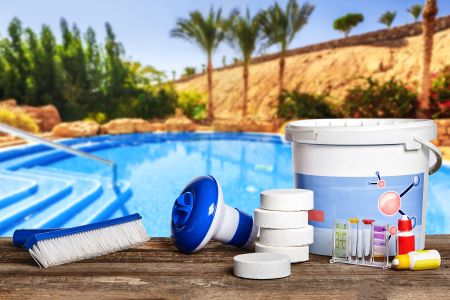
Proper pool water circulation is essential for maintaining clean, clear, and comfortable swimming conditions. While pool owners often focus on cleaning products and sanitizers, effective circulation is what helps move water through the filtration system, distribute treatment chemicals, and prevent stagnant areas from developing. Without adequate water movement, even a well-maintained pool can experience cloudy water, uneven sanitizer levels, and increased maintenance demands.
Choosing the right circulation system involves understanding how pumps, filters, pipes, valves, and return fittings work together. Reviewing suitable swimming pool equipment and supplies can help pool owners identify components that meet their pool’s size, design, and operating requirements. With correctly sized equipment and a consistent maintenance routine, it becomes easier to support reliable circulation, improve water quality, and manage long-term operating costs.
1. What Is Pool Water Circulation?
Pool water circulation is the continuous movement of water through the pool’s plumbing and treatment system. A circulation pump draws water from designated suction points, moves it through filtration and other treatment equipment, and returns it to the pool through return fittings.
This process helps transport suspended debris toward the filter and distributes treated water throughout the pool. Effective circulation also supports consistent water chemistry by helping sanitizers reach different areas of the swimming environment.
A typical circulation system includes:
- Pool pump: Moves water through the plumbing and treatment equipment.
- Filter: Captures suspended particles and other debris.
- Skimmers and suction outlets: Draw water from designated locations in the pool.
- Pipes and valves: Direct water through the system.
- Return fittings: Deliver treated water back into the pool.
- Sanitation equipment: Helps control microorganisms and maintain appropriate water quality.
Each component must be suitable for the system’s flow requirements. A powerful pump cannot compensate for poorly designed plumbing, an unsuitable filter, or badly positioned return fittings.
2. Why Proper Water Circulation Matters
Effective circulation supports several aspects of pool maintenance. It does not replace filtration or sanitation, but it helps both processes work as intended.
Helps Maintain Clear Water
Swimming pools collect dust, leaves, sunscreen residue, and other contaminants. Circulation moves water through the filtration system, where suspended particles can be removed.
When circulation is inadequate, some areas may receive less filtration, allowing debris to accumulate. Correct pump operation, suitable filter capacity, and well-positioned returns help reduce these problems.
Distributes Sanitizer More Evenly
Sanitizers such as chlorine need to be distributed throughout the pool to help control harmful microorganisms. Water movement supports this distribution and reduces the likelihood of persistent areas with poor mixing.
However, circulation alone cannot guarantee safe water. Pool owners must regularly test water chemistry and maintain sanitizer levels within the recommended range for their pool and sanitation system.
Reduces Stagnant Areas
Corners, steps, benches, and other areas with limited water movement may collect debris or develop inconsistent water conditions. Properly directed return flows can improve circulation around these locations.
The pool’s shape, depth, fittings, and operating flow rate all influence how effectively water moves through the swimming area.
Supports Comfortable Swimming Conditions
Good circulation helps distribute heated water and treated water throughout the pool. This can contribute to more consistent conditions, particularly in pools with heating systems or complex layouts.
3. The Role of the Pool Circulation Pump
The circulation pump is the driving force behind the entire system. It pulls water from the pool and pushes it through the filter and connected treatment equipment.
Selecting an appropriate pump is important because an undersized model may not deliver the required flow, while an oversized model can consume unnecessary energy or exceed the operating limits of connected equipment.
Single-Speed Pumps
Single-speed pumps operate at one fixed speed. They can provide reliable circulation when correctly selected, but they offer limited flexibility when the pool requires different flow rates for filtration, heating, or water features.
Variable-Speed Pumps
Variable-speed pumps allow users to adjust the motor speed to suit different operating needs. Lower speeds may be sufficient for routine filtration, while higher speeds can be used when additional flow is necessary and permitted by the system design.
Operating at an appropriate lower speed can reduce energy consumption significantly in many installations. Actual savings depend on pump selection, plumbing resistance, operating schedules, and local electricity costs.
Choosing the Correct Pump
Before purchasing a pump, consider:
- Pool volume and required circulation rate.
- Pipe diameters and total plumbing resistance.
- Filter capacity and pressure limits.
- Additional equipment, including heaters and water features.
- Manufacturer specifications and local requirements.
A pool professional can assess the complete hydraulic system to determine the appropriate pump performance rather than relying on pool volume alone.
4. How Filtration Works With Circulation
Circulation and filtration are closely connected. The pump moves water through the filter, while the filter captures particles that would otherwise remain suspended in the pool.
Common pool filtration systems include sand, cartridge, and diatomaceous earth filters. Each has different maintenance requirements, filtration characteristics, and installation considerations.
Sand Filters
Sand filters pass water through a filter bed that traps particles. Depending on the model, accumulated debris is removed through a backwashing process.
These filters are often valued for their straightforward operation, although backwashing consumes water and should be performed according to the manufacturer’s instructions.
Cartridge Filters
Cartridge filters use pleated elements to capture debris. They generally do not require routine backwashing, but the cartridges need periodic cleaning and eventual replacement.
Their suitability depends on the filter’s capacity, the pool’s debris load, and the owner’s maintenance preferences.
Diatomaceous Earth Filters
Diatomaceous earth filters use a fine filtering medium to capture small particles. They can provide very fine filtration, but they require careful maintenance and compliance with the manufacturer’s handling and disposal instructions.
Regardless of the filter type, the system must operate within its recommended flow range. Excessive flow can reduce filtration effectiveness or damage equipment.
5. The Importance of Pool Plumbing and Return Fittings
Pipes, valves, and return fittings determine how water travels through the circulation system. Poor plumbing design can create unnecessary resistance, uneven flow, and increased energy use.
Correct Pipe Sizing
Pipes that are too small for the required flow can increase friction losses and place additional demands on the pump. Correct pipe sizing helps maintain appropriate water velocity and supports efficient operation.
The ideal diameter depends on the intended flow rate, pipe length, fittings, and applicable design standards.
Strategic Return Fitting Placement
Return fittings introduce treated water back into the pool. Their position and direction influence how water moves around the swimming area.
A well-designed arrangement encourages circulation through areas that might otherwise receive limited movement. However, simply increasing pump speed is not always the best solution for circulation problems.
Proper Valve Selection
Valves allow sections of the plumbing system to be isolated or flow to be directed between different circuits. Correctly selected valves also make maintenance and equipment replacement easier.
Valves should be operated according to the equipment manufacturer’s instructions, particularly when changing filtration modes or isolating pressurized components.
6. How to Improve Pool Water Circulation
If certain areas of your pool collect debris or water clarity varies, reviewing the circulation system may help identify the cause.
Adjust Return Fittings
Return fittings can often be adjusted to encourage water movement through areas where debris tends to accumulate. Follow the manufacturer’s guidance and avoid directing strong currents in ways that interfere with safe swimming or the intended operation of the pool.
Keep Skimmer and Pump Baskets Clean
Leaves and other debris can restrict water flow when baskets become full. Inspecting and emptying these baskets regularly helps the pump draw water more effectively.
Always follow safe shutdown procedures before opening pump equipment.
Maintain the Filter
A dirty filter can increase system resistance and reduce flow. Clean or backwash the filter according to its type, pressure readings, and manufacturer recommendations.
Do not assume that every filter should be cleaned at the same interval. Actual needs depend on debris levels, operating conditions, and the equipment design.
Check for Blockages and Air Leaks
Reduced circulation can result from blocked plumbing, restricted valves, damaged fittings, or air entering the suction side of the system.
Warning signs may include weak return flow, persistent bubbles, difficulty maintaining pump prime, or unusual operating noise. If basic maintenance does not resolve the problem, arrange a professional inspection.
Use an Appropriate Pump Schedule
The pump should operate long enough to meet the pool’s filtration and sanitation needs. The required schedule depends on water temperature, pool usage, debris levels, sanitizer system, and local environmental conditions.
Rather than relying on a universal number of operating hours, monitor water quality and system performance and adjust the schedule as necessary.
7. Pool Circulation and Water Chemistry
Good circulation helps distribute chemicals, but it does not determine water chemistry on its own. Sanitizer concentration, pH, alkalinity, and other relevant parameters must be managed through testing and appropriate treatment.
Maintain Suitable Sanitizer Levels
Chlorine and other approved sanitizers help control microorganisms. Circulation supports their distribution, but correct dosing and regular testing remain essential.
Follow the product label and the recommendations for your particular sanitation system.
Monitor pH
Pool pH influences swimmer comfort, sanitizer effectiveness, and the potential for scaling or corrosion. Testing and adjusting pH as needed helps maintain balanced water conditions.
Avoid Adding Chemicals Without Guidance
Chemical products differ in concentration and application requirements. Follow label directions, never mix incompatible pool chemicals, and ensure adequate circulation as instructed after treatment.
When adding chemicals, keep swimmers out of the pool for the period specified by the product instructions and applicable safety guidance.
8. Common Signs of Poor Pool Circulation
Recognizing circulation problems early can help prevent larger maintenance issues.
Look for these common warning signs:
- Cloudy water: May indicate filtration problems, poor circulation, unbalanced water chemistry, or a high contaminant load.
- Weak return flow: Can result from clogged baskets, a dirty filter, closed valves, or pump problems.
- Persistent debris in specific areas: May indicate poor water movement or an ineffective cleaning routine.
- Uneven water conditions: Can occur when water does not circulate adequately through all areas.
- Air bubbles at return fittings: May point to air entering the system or another equipment issue.
- Unusual pump noise: May indicate air, obstruction, mechanical wear, or another fault.
These symptoms can have several causes, so avoid replacing equipment before checking simpler issues such as blocked baskets and filter condition. Persistent or unexplained problems should be evaluated by a qualified pool technician.
9. Energy Efficiency and Operating Costs
Pool circulation can contribute substantially to a pool’s electricity consumption. Improving the efficiency of the pump and reducing unnecessary system resistance may help lower operating costs.
Consider Variable-Speed Technology
A variable-speed pump can operate at lower speeds when full flow is unnecessary. Because pump power requirements often decrease substantially as speed decreases, suitable operating adjustments can produce meaningful energy savings.
However, low-speed operation must still provide enough circulation for filtration, heating, and sanitation equipment.
Reduce Unnecessary Resistance
Correctly sized pipes, smooth plumbing layouts, clean filters, and suitable fittings help reduce unnecessary resistance in the system.
Avoid making plumbing modifications without confirming compatibility with the pump, filter, and other connected equipment.
Use Timers and Compatible Automation
Timers and automation systems can help maintain a consistent schedule and reduce unnecessary operation. Some systems also coordinate pump speed with heating or sanitation equipment.
Before purchasing controls, confirm compatibility and ensure that automated schedules satisfy the requirements of every connected component.
10. Seasonal Considerations for Pool Circulation
Circulation needs may change throughout the year as water temperature, debris levels, and pool usage change.
During Warm Weather
Warmer water and increased swimming activity can increase the demand for effective filtration and sanitation. Monitor water quality regularly and adjust pump operation when necessary.
During Periods of Heavy Debris
Leaves, pollen, and other debris may require more frequent basket cleaning and filter maintenance. Check that the system maintains adequate flow during periods of increased contamination.
During Winter
In regions where freezing conditions occur, plumbing and equipment may need to be winterized to prevent damage. Follow the manufacturer’s procedure for draining or protecting equipment, and use appropriate professional assistance where needed.
In climates without freezing temperatures, seasonal maintenance may focus more on debris management, water chemistry, and changes in pool use.
11. When Should You Upgrade Circulation Equipment?
Not every circulation problem requires a new pump or complete plumbing replacement. Routine cleaning and minor repairs may restore performance in many cases.
An upgrade may be worth considering when:
- The pump repeatedly fails or requires expensive repairs.
- The existing equipment cannot deliver the required flow.
- Energy consumption is consistently high.
- The filter and pump are poorly matched.
- Plumbing restrictions are difficult to resolve through maintenance.
- Additional equipment requires a different circulation arrangement.
Before replacing components, assess the whole system. A new pump connected to unsuitable plumbing may not solve the underlying problem and could increase operating costs.
Compare the initial investment, expected energy use, maintenance requirements, and compatibility of available options before making a decision.
12. Best Practices for Long-Term Circulation Performance
A consistent maintenance routine can help keep pool circulation equipment operating reliably.
Follow these practices:
- Inspect the pump, visible plumbing, valves, and fittings regularly.
- Empty skimmer and pump baskets before debris restricts flow.
- Clean the filter according to manufacturer instructions.
- Monitor pump operation and investigate changes in flow or noise.
- Test pool water chemistry and maintain appropriate sanitizer levels.
- Check return fittings and areas where debris tends to collect.
- Keep the equipment area accessible for inspections and repairs.
- Schedule professional servicing when problems persist or safety-critical components need attention.
Regular maintenance supports the system’s performance, but it does not replace correct equipment selection or proper installation.
Conclusion
Proper pool water circulation equipment is fundamental to maintaining clean, clear, and comfortable swimming conditions. Pumps move water through the system, filters remove suspended particles, plumbing directs the flow, and return fittings help distribute treated water throughout the pool.
When these components are correctly sized, installed, and maintained, they support effective filtration, more consistent sanitizer distribution, and reliable equipment operation. They can also help reduce unnecessary energy consumption and make routine pool care easier.
For the best results, treat circulation as part of a complete pool maintenance strategy. Combine suitable equipment with regular cleaning, water testing, and timely inspections. By addressing circulation problems early and choosing components that work together, pool owners can protect their investment and enjoy a more dependable swimming environment.