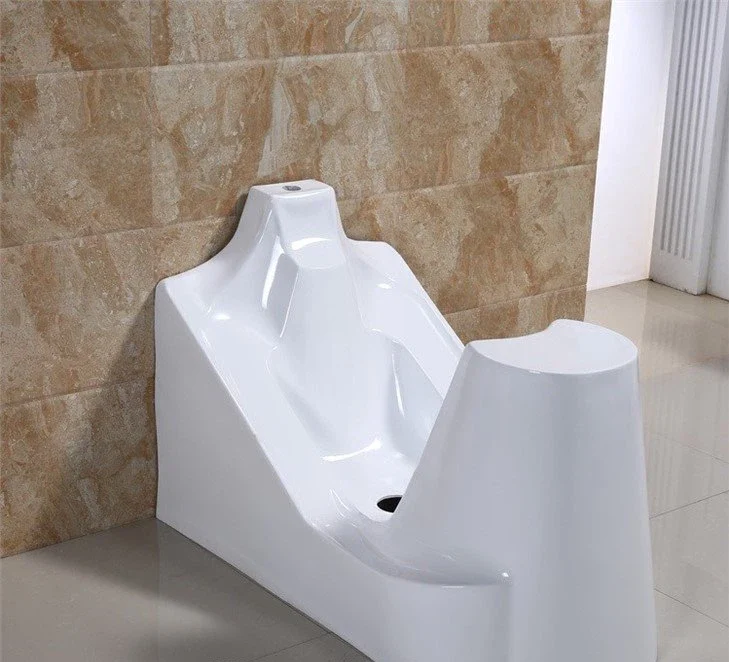
Outdoor recreational areas, such as parks, playgrounds, sports fields, and poolside zones, attract a wide range of visitors who engage in various physical activities. Maintaining cleanliness in these spaces is essential for hygiene, safety, and overall enjoyment. Installing a foot wash sink provides a practical solution to keep these areas clean while offering convenience for all users.
A high-quality foot wash sink enhances outdoor recreational spaces by providing a designated area for rinsing dirt, sand, or grass from feet before entering indoor facilities or communal areas. This feature not only improves hygiene but also reduces cleaning efforts for surrounding surfaces. Durable materials ensure the sink withstands outdoor conditions, making it a reliable addition for both residential and public recreational environments.
Promoting Hygiene in Outdoor Spaces
Foot wash sinks play a vital role in promoting hygiene in outdoor recreational areas. After walking on grass, sand, or muddy paths, visitors often carry dirt on their feet, which can easily spread indoors. A dedicated sink allows individuals to rinse off before entering shared spaces, reducing the risk of contaminating floors and preventing the spread of bacteria. This is particularly important in family-friendly parks, pools, and community centers where children are frequent users.
Regular use of a foot wash sink encourages cleanliness habits, contributing to a healthier environment. By providing an accessible and convenient washing option, facilities can ensure that users maintain proper hygiene practices without inconvenience.
Enhancing Safety and Reducing Slip Risks
Water and dirt carried from outdoor areas can create slippery surfaces, increasing the risk of accidents. A foot wash sink helps mitigate this issue by ensuring that feet are cleaned before entering indoor or high-traffic areas. Proper drainage and slip-resistant flooring around the sink further enhance safety, minimizing potential hazards for children, elderly individuals, and visitors with limited mobility.
Additionally, organized foot washing stations prevent puddles from forming in public spaces, reducing water-related damage to nearby flooring and contributing to overall safety in recreational environments.
Supporting Families and Children
Children are among the most frequent users of outdoor recreational areas. Foot wash sinks offer a convenient way for them to clean their feet after playing, minimizing dirt and mud tracked into homes or indoor facilities. Adjustable heights, accessible basin designs, and safe water controls ensure that children can use the sink independently and safely.
For parents and caregivers, a foot wash sink simplifies supervision and maintenance by providing a designated cleaning area. This reduces the need for constant indoor cleaning and promotes an orderly and hygienic environment.
Durability and Weather Resistance
Outdoor sinks must endure exposure to weather, sunlight, and frequent use. Materials such as solid surface composites, stainless steel, and treated stone offer durability, corrosion resistance, and minimal maintenance requirements. A well-constructed foot wash sink can withstand outdoor elements, ensuring long-term functionality while maintaining hygiene standards. High-quality construction reduces the need for repairs and replacements, offering cost-effective solutions for public and private recreational spaces.
Convenience for Sports and Pool Areas
For sports facilities and poolside areas, a foot wash sink is particularly beneficial. Athletes, swimmers, and visitors often have sand, grass, or pool chemicals on their feet, which can be harmful to indoor flooring or pool hygiene. By providing a dedicated washing station, users can easily rinse their feet, enhancing comfort and convenience while maintaining cleanliness and protecting facility infrastructure.
Encouraging Responsible Use of Facilities
A designated foot wash sink encourages visitors to follow hygiene protocols consistently. Clear signage and strategic placement near entrances or high-traffic zones make it convenient for users to clean their feet before entering shared spaces. This reduces the workload for maintenance staff and promotes responsible facility use among visitors.
Conclusion
Installing a foot wash sink in outdoor recreational areas offers numerous benefits, including improved hygiene, enhanced safety, and increased convenience for users of all ages. Durable materials and proper drainage ensure long-lasting performance, while accessible designs accommodate children, elderly individuals, and visitors with mobility needs. By integrating a foot wash sink into recreational spaces, facility managers and homeowners can create a cleaner, safer, and more enjoyable environment, fostering positive experiences for everyone who uses the area.