Sourcing antibacterial gauze from China can offer healthcare brands access to manufacturers with different product ranges, production capabilities, and export experience. Yet this category requires more than a routine supplier search. Buyers must understand the treatment or active component used, the evidence behind product claims, the controls applied during production, and the regulatory requirements of the intended market. A supplier may offer attractive prices and customized packaging, but those advantages matter only if the finished product meets the buyer’s technical and legal requirements.
A China Antibacterial Gauze Supplier should be evaluated on its ability to provide a clearly defined product with traceable materials, controlled manufacturing, and appropriate supporting documentation. Buyers should establish whether the company is the actual manufacturer or an intermediary, which processes are performed at the production site, and how antibacterial properties are verified. These checks help distinguish a capable specialist from a supplier whose claims are difficult to substantiate.
Identify the product’s active characteristics
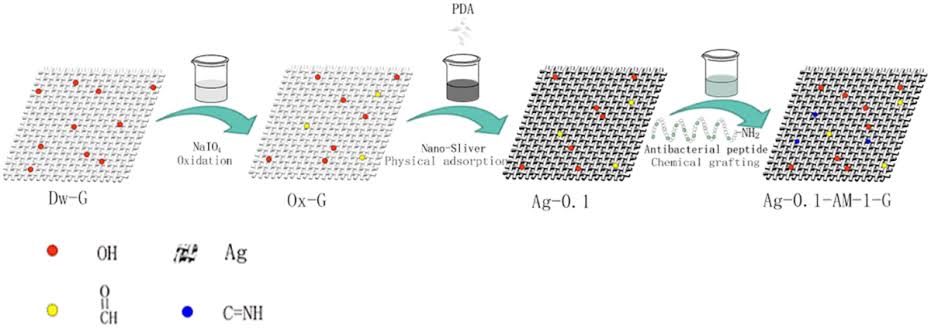
Antibacterial gauze is not one uniform product category. Different products may use different active substances, treatments, or material technologies. Their intended functions, limitations, and regulatory status can therefore vary.
Ask the supplier to identify the component or treatment responsible for the antibacterial claim. Request a complete product specification and clarify whether the product is intended for wound contact, general healthcare use, or another defined application. Do not accept a product description that relies on broad promotional language without identifying the product’s actual construction.
Verify the manufacturer’s identity
Determine whether the supplier owns the manufacturing facility, operates production through an affiliated company, or purchases finished products from another source. Request the legal name and address of the manufacturing site and identify which organization controls each production stage.
If material treatment, coating, sterilization, or packaging is outsourced, ask for details of the service provider and the arrangements used to oversee that work. The supplier should be able to explain how product identity and batch traceability are maintained when multiple organizations are involved.
Review raw material specifications
Request specifications for the gauze substrate and any antibacterial ingredient or treatment. The documentation should identify relevant material characteristics and explain how incoming materials are inspected and approved. Buyers should also ask how the supplier controls changes in raw material sources.
Where an active component is involved, establish how its identity and consistency are verified. Ask how the factory prevents incorrect material use and how it records the materials associated with each production batch. A substitution should never be accepted simply because the supplier describes it as similar.
Evaluate evidence supporting antibacterial claims
Ask for product-specific laboratory reports and review the test methods used. Important details include the tested sample, the organisms assessed, test conditions, laboratory identity, report date, and measured results. Determine whether the test supports the exact claim proposed for the finished product.
A laboratory result does not automatically establish clinical effectiveness or suitability for every wound. The interpretation of evidence should consider the intended application and the regulatory framework. Where necessary, seek independent clinical and regulatory review before approving labeling or promotional statements.
Assess product safety and quality systems
The finished product should be evaluated for safety in its intended use. Depending on its materials, active component, and regulatory classification, relevant evidence may include chemical characterization, biocompatibility assessment, or other safety testing.
Review the supplier’s quality management system, including incoming inspection, production monitoring, finished-product testing, nonconforming product control, and corrective action. Verify certificates directly where possible, checking that they are current and cover the actual manufacturing site and relevant activities.
Examine packaging and sterile presentation
If the gauze is supplied sterile, confirm that sterilization is validated for the exact product and packaging arrangement. Request appropriate process and batch-release documentation. The supplier should also explain how sterile barrier integrity is maintained during storage and transport.
For all product presentations, review packaging materials, sealing, labeling, and lot identification. Storage conditions and shelf-life statements should be supported by relevant stability information. The label should not imply sterility or clinical benefits beyond what has been established.
Compare OEM and export services
Private label options may include dimensions, pack quantities, pouch designs, cartons, and multilingual labeling. Confirm minimum order quantities, sample charges, artwork procedures, and lead times. Make sure that branding changes do not introduce unsupported claims or omit required information.
Export readiness is another important factor. Discuss shipping terms, document preparation, production schedules, and the process for resolving delays. A supplier should be able to communicate clearly about the status of orders and any changes that could affect delivery.
Use a qualification process before scaling orders
Begin with document review, sample assessment, and, where appropriate, an independent factory audit. Agree on specifications, inspection criteria, batch traceability, change control, and complaint handling in writing. A trial order can help evaluate whether the supplier reproduces the approved product consistently.
A reliable China-based antibacterial gauze supplier should provide verifiable technical evidence and maintain control over its manufacturing and supply chain. Careful qualification helps buyers make a responsible sourcing decision and supports more predictable product quality over time.