A swimming pool can add comfort, recreation, and value to a home when it is designed to suit the property and the needs of the people who use it. However, choosing the right pool involves more than selecting an attractive shape or size. Homeowners must consider available space, construction costs, maintenance requirements, and long-term usability before making a decision.
Understanding the different Swimming Pool Solutions available can help homeowners compare options and identify a design that fits their lifestyle. Whether the goal is to create a relaxing outdoor retreat, provide a place for family activities, or maintain a regular swimming routine, the right choice should balance functionality, comfort, and practical considerations.
Assess Your Available Space
The first step in choosing a swimming pool is evaluating the space available on your property. Backyard dimensions, ground conditions, existing landscaping, and access to utilities can all influence the type of pool that is practical for your home.
Smaller properties may benefit from compact pools or designs that maximize usable space. Larger yards offer more flexibility for traditional in-ground pools, recreational areas, and additional outdoor features. Indoor installations may also be suitable when year-round swimming and greater privacy are priorities.
Before finalizing a design, consider how the pool will fit into your existing outdoor layout. Leave enough room for safe movement, seating, equipment access, and any future landscaping plans.
Compare Different Types of Swimming Pools
Swimming pools come in several designs, each offering distinct advantages and limitations. Understanding these differences makes it easier to choose an option that aligns with your budget, property, and intended use.
In-Ground Swimming Pools
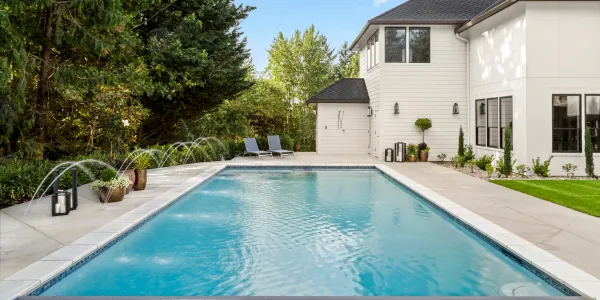
In-ground pools are a popular choice for homeowners who want a permanent installation. They can be customized in terms of shape, depth, finish, and surrounding features, making them suitable for a wide range of architectural styles.
However, excavation, construction, drainage, and ongoing maintenance can increase the overall cost. Homeowners should also check local building regulations and property requirements before beginning installation.
Above-Ground Swimming Pools
Above-ground pools can provide a practical alternative for homeowners seeking a swimming area without extensive excavation. Depending on the design, they may require less initial investment and can be suitable for properties where permanent construction is difficult.
Their appearance, depth, and customization options may be more limited than those of many in-ground pools. It is also important to prepare a stable foundation and follow the manufacturer’s installation and safety instructions.
Compact and Space-Efficient Pools
Compact pools are designed to make swimming possible in limited spaces. They can work well in narrow yards, courtyards, and properties where a full-sized recreational pool would be impractical.
Some designs prioritize relaxation, while others focus on exercise through features such as adjustable water currents. These options can be particularly useful for homeowners who want to swim regularly without dedicating a large portion of their property to a pool.
Establish a Realistic Budget
The purchase and installation price is only one part of the total cost of owning a swimming pool. A realistic budget should account for both initial expenses and ongoing operating requirements.
Important costs to evaluate include:
- Design, permits, excavation, and installation.
- Pumps, filters, heating systems, and other equipment.
- Water treatment, cleaning supplies, and routine maintenance.
- Electricity and water consumption.
- Repairs, replacement components, and seasonal preparation.
- Fencing, covers, and other safety features.
Request itemized estimates when comparing pool designs. This helps identify expenses that may not be included in the initial quote and makes it easier to compare options fairly. Choosing a pool based solely on its upfront price can lead to higher costs over time.
Consider Maintenance and Energy Efficiency
Every swimming pool requires regular care to keep the water clean, balanced, and safe for use. The amount of maintenance needed depends on the pool’s size, filtration system, usage patterns, and surrounding environment.
Efficient pumps, appropriate filtration equipment, and properly fitted pool covers can help reduce operating costs. A cover may also limit evaporation and heat loss, particularly when the pool is heated.
Homeowners should consider how much time they can realistically devote to cleaning and water testing. Automated cleaning equipment and monitoring systems may reduce routine work, although they do not eliminate the need for inspections and proper water treatment.
Decide How You Plan to Use the Pool
The intended purpose of a swimming pool should guide its size, depth, layout, and equipment selection. A pool designed primarily for relaxation may have different requirements from one intended for exercise or family recreation.
For example, homeowners interested in fitness may prioritize a design that supports continuous swimming or water-based exercise. Families may prefer accessible entry points, suitable shallow areas, and enough space for supervised recreation. Those seeking a peaceful outdoor setting might focus on compact dimensions, comfortable surroundings, and simple maintenance.
Thinking about these priorities early helps prevent unnecessary features and ensures that the finished pool serves a clear purpose.
Prioritize Safety and Accessibility
Safety should be considered during the planning stage rather than added as an afterthought. The appropriate precautions depend on the pool’s design, the people using it, and local regulations.
Useful measures include secure barriers, self-closing and self-latching gates where required, suitable pool covers, slip-resistant surfaces, and clearly defined entry and exit points. Homes with children should have additional layers of protection, and adult supervision remains essential around water.
Accessibility also deserves attention. Steps, handrails, entry benches, and other access features can make a pool easier to use for older adults and people with limited mobility. Discuss these requirements with a qualified pool professional before finalizing the design.
Evaluate Installation Requirements
Installation conditions can significantly affect the feasibility and cost of a swimming pool project. Soil stability, groundwater levels, drainage, underground utilities, and access for construction equipment may influence both the design and installation timeline.
Local planning rules can also determine permitted pool locations, setbacks, fencing requirements, and electrical safety standards. Homeowners should verify these details with the relevant authorities before committing to a specific option.
Working with an experienced installer can help identify potential complications early. A thorough site assessment and a clear written project plan can reduce delays, unexpected expenses, and avoidable construction problems.
Choose Materials and Features for Long-Term Use
Pool materials affect durability, appearance, maintenance, and repair costs. Concrete pools offer considerable design flexibility, while fiberglass pools generally have a prefabricated shape and a smooth finished surface. Above-ground pools may use steel, resin, or other structural materials depending on the model.
No material is ideal for every property. Climate, installation conditions, intended use, and available maintenance resources should all influence the final decision.
Additional features, such as heating, lighting, water circulation systems, and automatic covers, can improve convenience. However, it is worth distinguishing essential features from optional upgrades to keep the project within budget.
Plan for Long-Term Ownership
A swimming pool is a long-term investment that requires consistent attention. Before choosing a design, consider how your household’s needs may change over time and whether the pool will remain practical as those needs evolve.
Ask potential installers about equipment warranties, maintenance schedules, repair services, and the availability of replacement parts. It is also helpful to understand which maintenance tasks can be handled independently and which require professional assistance.
Planning for future expenses and routine upkeep can make pool ownership more manageable. A design that is easy to maintain and appropriate for your property may offer greater long-term value than one with more features but higher operating demands.
Make an Informed Decision
Choosing the right swimming pool for your home requires a balance of space, budget, intended use, safety, and maintenance. Comparing different designs and understanding their practical limitations can help you avoid unnecessary costs and select an option that meets your expectations.
Take time to evaluate your property, establish a realistic budget, and consult qualified professionals about installation requirements. By focusing on your household’s needs and the long-term demands of ownership, you can choose a swimming pool that provides lasting enjoyment while remaining practical to maintain.