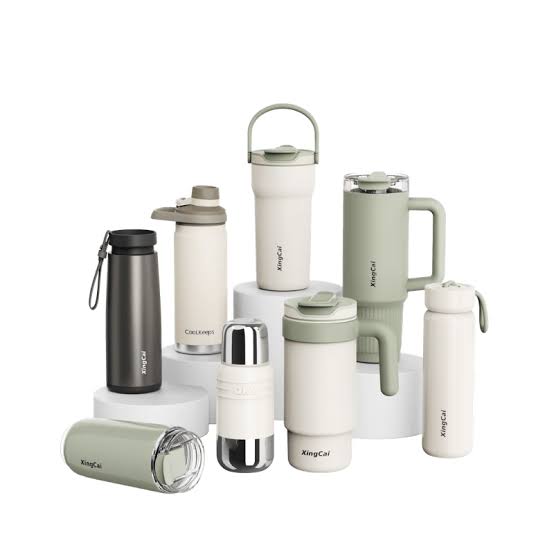
Purchasing drinkware is an important part of managing a retail business, restaurant, café, or distribution operation. However, the buying process can look very different depending on whether products are purchased at retail or wholesale prices. Understanding these differences helps businesses control expenses, plan inventory, and choose suppliers that match their needs.
Retail purchasing generally involves buying smaller quantities at higher per-unit prices, while wholesale purchasing focuses on larger orders at more competitive rates. Businesses exploring Drinkware Wholesale can benefit from understanding how bulk ordering affects pricing, product selection, storage, and long-term purchasing decisions.
1. Order Quantities and Purchasing Volume
One of the most noticeable differences between retail and wholesale purchasing is the quantity of products ordered.
Retail buyers typically purchase individual items or small quantities. This approach works well for consumers who need a few glasses, mugs, tumblers, or bottles for personal use. It also allows buyers to test products without committing to a large order.
Wholesale purchasing is designed for businesses that need larger quantities. Retailers may order multiple cartons of the same product, while restaurants and hospitality businesses often purchase enough drinkware to support daily operations.
Larger order quantities can reduce the cost per item, although businesses should consider storage capacity and expected demand before placing bulk orders.
2. Pricing and Cost Structure
Retail and wholesale purchasing follow different pricing structures. Retail prices usually include the costs associated with product handling, distribution, store operations, and the retailer’s profit margin.
Wholesale prices are generally lower per unit because suppliers sell products in larger quantities. This can help businesses improve their profit margins when they resell drinkware or reduce operating expenses when using products internally.
However, the lowest unit price does not always represent the best deal. Shipping charges, minimum order requirements, taxes, and potential storage costs should also be included when calculating the total purchasing expense.
3. Product Selection and Availability
Retail purchasing provides access to products available in stores or through consumer-focused online platforms. Buyers can often select individual designs, colors, and styles without meeting minimum quantity requirements.
Wholesale suppliers may offer broader options for businesses that need consistent product lines or large quantities of specific items. Their catalogs can include:
- Drinking glasses and tumblers
- Ceramic mugs and coffee cups
- Water bottles and reusable drinkware
- Barware and beverage accessories
- Products in different sizes, materials, and finishes
Wholesale availability can also make it easier for businesses to maintain consistent stock across multiple locations. Nevertheless, product ranges and customization options vary between suppliers.
4. Minimum Order Requirements
Retail purchasing usually allows customers to buy one item at a time. There are generally no significant minimum order requirements, making this option suitable for occasional purchases or small personal needs.
Wholesale suppliers commonly establish minimum order quantities or minimum spending limits. These requirements help suppliers manage production, packaging, and shipping efficiently.
Before placing an order, businesses should confirm the supplier’s minimum quantities and determine whether the required volume matches their sales forecasts or operational needs. Ordering more than necessary can tie up cash and create excess inventory.
5. Shipping, Packaging, and Delivery
Retail orders are often packaged for individual customers and delivered in relatively small parcels. This makes them convenient for buyers who need only a few products.
Wholesale shipments usually involve cartons, cases, or pallets. Larger deliveries may require additional planning, especially when products are fragile or made from materials such as glass and ceramic.
Businesses should ask suppliers about protective packaging, shipping methods, delivery schedules, and policies for damaged products. Reliable packaging is particularly important because breakage during transportation can affect both costs and inventory availability.
6. Supplier Relationships and Customer Support
Retail transactions are generally straightforward. Customers select products, complete payment, and receive their purchases. Support is usually focused on individual orders, returns, and product questions.
Wholesale purchasing can involve a longer-term relationship between the supplier and the business. Regular buyers may communicate with sales representatives about pricing, product availability, order schedules, and future requirements.
Building a dependable supplier relationship can help businesses plan purchases more effectively. It may also provide access to consistent product information and clearer communication when stock levels or delivery schedules change.
7. Inventory Management and Storage
Retail buyers usually have limited inventory responsibilities because they purchase products for immediate use or personal storage.
Businesses purchasing wholesale must manage larger quantities and ensure that products are stored safely. Drinkware requires appropriate handling to prevent scratches, chips, cracks, and other damage.
Effective inventory management includes tracking stock levels, monitoring product movement, and setting reorder points. Businesses should also consider available warehouse or shelf space before committing to large orders.
8. Which Purchasing Method Is Better for Your Business?
The right purchasing method depends on business size, budget, sales volume, and storage capacity.
Retail purchasing may be more suitable for:
- Individuals buying drinkware for personal use.
- Small businesses testing new product styles.
- Buyers who need limited quantities.
- Businesses with restricted storage space.
Wholesale purchasing may be a better fit for:
- Retail stores that regularly replenish drinkware.
- Restaurants, cafés, and hotels with ongoing product requirements.
- Distributors supplying multiple customers.
- Businesses seeking lower per-unit costs through bulk orders.
Some businesses may benefit from combining both methods. For example, a retailer might purchase its regular inventory wholesale while buying a small retail quantity of an unfamiliar product to evaluate its quality and customer appeal.
Conclusion
Retail and wholesale purchasing serve different purposes. Retail buying offers flexibility and convenience for smaller quantities, while wholesale purchasing can provide cost advantages and more efficient replenishment for businesses with consistent demand.
Before choosing either option, businesses should compare total costs, order requirements, product quality, delivery arrangements, and supplier reliability. A purchasing strategy based on realistic demand and available resources can help maintain healthy inventory levels while supporting long-term business growth.