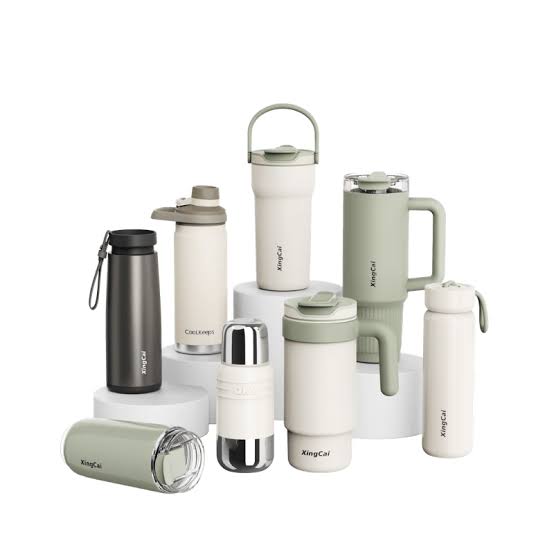
Product availability is an important consideration for businesses involved in drinkware retail, wholesale distribution, hospitality, and promotional merchandise. Maintaining sufficient inventory helps companies meet customer demand, avoid missed sales opportunities, and manage daily operations efficiently. However, product availability can change because of several factors, including raw material shortages, manufacturing capacity, seasonal demand, transportation delays, and supplier inventory management.
Working with a reliable Drinkware Supplier can help businesses manage these challenges and maintain a more consistent purchasing process. Understanding the factors that influence product availability also allows buyers to plan orders more effectively, reduce supply chain risks, and develop better long-term sourcing strategies.
1. Raw Material Availability
Raw materials are the foundation of drinkware manufacturing. Products made from stainless steel, glass, plastic, ceramic, and silicone depend on different material supply chains. When these materials become difficult to source, production schedules and finished product availability may be affected.
For example, stainless steel drinkware depends on the availability of suitable metal grades, while plastic bottles require appropriate polymer materials. Glass and ceramic products also depend on specific raw materials and processing requirements.
Several issues can influence raw material availability:
- Changes in global material demand.
- Supply shortages from raw material producers.
- Transportation and import restrictions.
- Price fluctuations in commodity markets.
- Delays in material procurement.
Businesses can reduce sourcing risks by discussing material availability with suppliers before placing large orders. It is also useful to understand whether alternative materials can meet the required product specifications.
2. Manufacturing Capacity and Production Efficiency
A supplier’s manufacturing capacity directly affects how many products can be produced within a specific period. Suppliers with limited equipment, production space, or workforce availability may struggle to handle sudden increases in order volume.
Manufacturing efficiency also influences how quickly finished products become available. Production bottlenecks, equipment maintenance, and unexpected technical problems can delay manufacturing.
For drinkware businesses, production capacity may depend on several factors, including:
- Number and condition of manufacturing machines.
- Availability of skilled workers.
- Production line organization.
- Manufacturing technology.
- Assembly and finishing requirements.
- Quality inspection procedures.
Before confirming a bulk order, buyers should ask about production capacity and estimated lead times. This helps determine whether the supplier can meet current requirements without creating unnecessary delays.
3. Seasonal Demand and Market Trends
Consumer demand for drinkware often changes throughout the year. Certain products become more popular during specific seasons, holidays, and promotional periods.
For example, insulated water bottles and reusable tumblers may experience increased demand during warmer months, while branded mugs and corporate gift sets may become more popular during holiday seasons.
These changes can affect product availability because multiple buyers may place orders for similar products at the same time.
Businesses should monitor purchasing patterns and identify periods when demand is likely to increase. Placing orders in advance can help reduce the risk of stock shortages during important sales periods.
Suppliers that use demand forecasting and organized production planning are generally better prepared to manage seasonal purchasing requirements.
4. Inventory Management Practices
Inventory management plays a major role in maintaining consistent product availability. Suppliers must balance the amount of finished inventory they keep with expected customer demand and storage costs.
Keeping too little inventory can lead to stock shortages, while holding excessive quantities may increase warehousing expenses and create unnecessary financial pressure.
Effective inventory management involves:
- Monitoring current stock levels.
- Tracking product demand and sales patterns.
- Setting appropriate reorder points.
- Maintaining safety stock for important products.
- Updating inventory records regularly.
- Planning replenishment according to expected demand.
Businesses should ask suppliers whether popular products are regularly stocked or manufactured only after receiving confirmed orders. This distinction can significantly influence purchasing and delivery schedules.
5. Minimum Order Quantities and Bulk Purchasing
Minimum order quantities, commonly called MOQs, can affect how easily businesses access particular drinkware products.
Some manufacturers require buyers to purchase a specified quantity before production begins. This is especially common for customized products that involve special molds, printing arrangements, or unique packaging.
Large wholesale buyers may find these requirements manageable, but smaller retailers and emerging brands may face difficulties when purchasing limited quantities.
MOQ requirements can vary according to:
- Product type and manufacturing method.
- Material availability.
- Customization complexity.
- Printing and packaging requirements.
- Production setup expenses.
Buyers should discuss minimum quantities before finalizing product selections. Where possible, negotiating flexible quantities or combining different product variations may help improve purchasing efficiency.
6. Product Customization Requirements
Customized drinkware often requires additional manufacturing steps compared with standard products. These may include logo printing, laser engraving, color matching, artwork preparation, special coatings, and personalized packaging.
Each additional process can influence production time and product availability.
For example, a standard stainless steel tumbler may be available from existing inventory, while a customized version may require several additional production stages.
The availability of customized products can depend on:
- Artwork approval and design complexity.
- Availability of printing materials.
- Required branding techniques.
- Special color or coating requirements.
- Customized molds and tooling.
- Sample development and approval.
Businesses should provide complete design specifications early in the sourcing process. Approving samples promptly can also help prevent unnecessary production delays.
7. Quality Control and Product Inspection
Quality control is essential for ensuring that available products meet the required specifications. However, inspection procedures can influence the time needed to prepare an order for shipment.
Drinkware products may require checks for material quality, dimensions, surface finishing, lid functionality, leakage, and insulation performance where applicable.
If products fail inspection, the supplier may need to repair, replace, or manufacture additional units. This can affect the final quantity available for delivery.
A structured quality management system helps identify defects earlier and reduces the possibility of major production disruptions.
Businesses should understand the supplier’s inspection procedures and agree on acceptable quality requirements before confirming large orders.
8. Transportation and Logistics Challenges
Even when products are manufactured and ready for shipment, transportation problems can affect their availability at the destination.
International drinkware sourcing often involves multiple logistics stages, including factory transportation, port handling, customs clearance, and final delivery.
Common transportation challenges include:
- Port congestion and shipping delays.
- Limited container availability.
- Weather-related disruptions.
- Customs clearance complications.
- Incorrect shipping documentation.
- Increased transportation demand during peak periods.
The shipping method also influences availability. Sea freight is often suitable for large orders but generally requires longer transit times. Air freight offers faster transportation but usually involves higher costs.
Buyers should discuss shipping schedules and delivery responsibilities with suppliers before placing orders. Maintaining sufficient inventory during transportation can help prevent interruptions.
9. Global Supply Chain Disruptions
The drinkware industry depends on international networks for raw materials, manufacturing components, packaging, and transportation. Disruptions in one part of the supply chain can affect production and delivery across several markets.
Economic uncertainty, trade restrictions, geopolitical developments, labor shortages, and natural disasters may influence material sourcing and logistics operations.
For example, a shortage of a particular metal component could delay the production of insulated bottles even when other manufacturing materials remain available.
Businesses can reduce exposure to these risks by working with suppliers that maintain reliable procurement arrangements and communicate potential disruptions early.
Where appropriate, identifying alternative materials, components, or shipping routes can also improve supply chain flexibility.
10. Product Variety and Supplier Stocking Strategies
Not every drinkware product has the same availability. Standard products with consistent demand may be kept in stock, while specialized designs and less common product variations may require production after an order is received.
A supplier offering a broad catalog may provide more choices, but product variety does not necessarily mean that every item is immediately available.
Buyers should distinguish between:
Ready-to-Ship Products: Items already manufactured and available for dispatch, subject to stock confirmation.
Made-to-Order Products: Items manufactured after receiving a confirmed purchase order.
Customized Products: Products requiring additional design, branding, or packaging processes.
Understanding these categories helps businesses establish realistic purchasing schedules and avoid assuming that every listed product is available immediately.
11. Supplier Communication and Order Forecasting
Clear communication helps buyers understand current stock levels, upcoming production schedules, and potential supply limitations.
A supplier should provide accurate information about product availability rather than relying on general estimates. Regular updates are especially important when businesses place large orders or depend on specific delivery dates.
Buyers can improve communication by sharing:
- Estimated monthly purchasing quantities.
- Expected seasonal demand.
- Upcoming promotional campaigns.
- Preferred delivery dates.
- Requirements for repeat orders.
Providing this information helps suppliers plan production and material procurement more effectively.
Forecasting also allows businesses to identify possible shortages before they affect sales or customer commitments.
12. Storage Facilities and Warehouse Management
Storage capacity can influence how much finished drinkware a supplier can keep available for customers.
Suppliers with organized warehouses can manage inventory more efficiently, protect products from damage, and prepare orders for dispatch more quickly.
Warehouse management is particularly important for fragile products such as glassware and ceramic mugs, which require suitable handling and protective packaging.
Important storage considerations include:
- Available warehouse space.
- Inventory tracking systems.
- Product organization and labeling.
- Packaging protection.
- Stock rotation procedures.
- Order preparation capabilities.
Businesses should consider these factors when evaluating suppliers that claim to offer ready-to-ship inventory.
13. Regulatory Requirements and Product Certifications
Regulatory requirements can influence the availability of drinkware in international markets. Products intended for beverage contact may need to satisfy specific material safety and testing requirements depending on the destination country.
For example, businesses importing drinkware into the United States or European markets should understand the relevant food-contact regulations and applicable testing requirements.
If products do not meet the necessary standards or documentation is incomplete, shipments may face additional inspections, delays, or restrictions.
Buyers should confirm compliance requirements before production begins. Requesting relevant test reports and product documentation can help prevent avoidable problems during importing and distribution.
14. Economic Conditions and Currency Fluctuations
Economic conditions can influence product availability indirectly by changing production costs, purchasing power, and supplier operations.
Changes in exchange rates may affect the cost of imported raw materials, manufacturing components, and finished drinkware. Rising energy and transportation costs can also influence production decisions.
When costs increase significantly, suppliers may adjust their production schedules, prices, or inventory levels.
Businesses involved in international sourcing should monitor relevant market conditions and discuss pricing arrangements with suppliers.
Maintaining realistic purchasing budgets and reviewing quotations regularly can help companies manage these changes.
How Businesses Can Maintain Consistent Drinkware Availability
Although many supply chain factors are outside a buyer’s direct control, effective purchasing strategies can reduce the risk of inventory shortages.
The following practices can help:
- Plan orders in advance: Avoid waiting until inventory becomes critically low before placing replenishment orders.
- Monitor demand patterns: Use previous sales data and seasonal trends to estimate future purchasing requirements.
- Maintain safety stock: Keep additional inventory of important products when financially and operationally practical.
- Build supplier relationships: Maintain regular communication about production schedules and material availability.
- Approve customized designs early: Reduce delays associated with artwork, samples, and production changes.
- Review delivery performance: Track actual lead times to improve future purchasing forecasts.
- Consider alternative products: Identify suitable alternatives when preferred materials or designs become temporarily unavailable.
These strategies help businesses create more predictable inventory operations and respond effectively to changing market conditions.
Conclusion
Product availability when working with a drinkware supplier depends on several interconnected factors, including raw material supply, manufacturing capacity, inventory management, seasonal demand, customization requirements, and transportation performance. Regulatory changes and global supply chain disruptions can also influence how quickly products become available.
Businesses can manage these challenges by planning purchases carefully, communicating demand forecasts, verifying stock information, and maintaining sufficient inventory for important products. Evaluating a supplier’s production capabilities and logistics arrangements is equally important when establishing long-term sourcing relationships.
A proactive approach to inventory planning and supplier communication helps businesses reduce supply interruptions, meet customer expectations, and maintain more reliable operations in the competitive drinkware market.