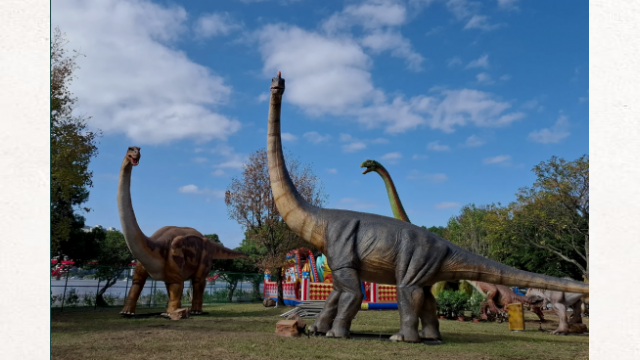
Animatronic dinosaur rides combine realistic prehistoric creatures with interactive entertainment, creating memorable experiences for visitors of different ages. Featuring lifelike dinosaur designs, mechanical movement, and ride systems, these attractions allow guests to experience the excitement of traveling alongside dinosaurs. They can become standout features in theme parks, family entertainment centers, shopping malls, exhibitions, and special events.
For businesses planning to introduce a new attraction, Animatronic Dinosaur Rides offer opportunities to combine visual appeal with hands-on entertainment. However, choosing the right ride involves more than selecting an impressive dinosaur model. Factors such as safety, ride capacity, construction quality, operating requirements, and visitor experience all influence the success of the installation.
What Are Animatronic Dinosaur Rides?
Animatronic dinosaur rides are attractions that combine dinosaur-themed figures with mechanical ride equipment. Depending on the design, visitors may sit on or inside a dinosaur-themed structure and experience controlled movement along a designated route or within a fixed attraction area.
These rides are designed to create an immersive prehistoric experience. The dinosaur figures may feature moving heads, mouths, tails, or other body parts, while additional effects such as sound and lighting help bring the setting to life.
Common features include:
- Realistic dinosaur designs: Detailed skin textures, colors, and body proportions create a recognizable prehistoric appearance.
- Mechanical movement: Motors and control systems operate the ride and selected dinosaur movements.
- Sound effects: Dinosaur roars and environmental audio help establish an immersive atmosphere.
- Themed seating: Seats and ride structures may be designed to resemble dinosaurs or prehistoric vehicles.
- Interactive experiences: Some attractions include simple controls or programmed sequences that make the ride more engaging.
The exact features vary according to the attraction’s design, target audience, and operating environment.
Why Dinosaur Rides Are Popular Attractions
Dinosaurs have broad appeal because they combine scientific interest with imagination and adventure. Children enjoy seeing familiar prehistoric creatures brought to life, while adults may appreciate the detailed designs and nostalgic appeal.
For entertainment businesses, dinosaur rides can offer several advantages.
Strong Visual Appeal
Large dinosaur figures naturally attract attention. Their distinctive shapes, realistic details, and recognizable features can make them effective focal points in busy entertainment venues.
A well-positioned dinosaur ride can help visitors identify an attraction area from a distance and encourage families to explore it.
Family-Friendly Entertainment
Dinosaur rides can appeal to children and adults when the design and operating conditions are appropriate for the intended audience. Smaller rides may be suitable for young children, while larger attractions can provide a more adventurous experience for older visitors.
Clear age, height, weight, and supervision requirements help families understand whether a particular ride is suitable.
Opportunities for Repeat Visits
A themed ride can become part of a broader entertainment experience. Visitors may return to explore additional dinosaur figures, try different ride options, or participate in seasonal events.
Operators can also refresh the surrounding environment with new decorations, educational displays, and themed activities.
Types of Animatronic Dinosaur Rides
Different ride formats suit different venues, budgets, and visitor expectations. Understanding the available options helps businesses select an attraction that fits their space and operating goals.
1. Coin-Operated Dinosaur Rides
<text> </text>
Coin-operated dinosaur rides are commonly used in shopping malls, amusement areas, family entertainment centers, and indoor play spaces. These compact attractions typically feature a dinosaur-shaped body with a seat and a controlled rocking or bouncing motion.
They are suitable for locations where visitors want a short, accessible entertainment experience. Their relatively compact footprint can also make them easier to incorporate into existing commercial spaces.
2. Track-Based Dinosaur Rides
Track-based rides move visitors along a predetermined route. The vehicles may be designed as dinosaurs, prehistoric carts, or themed ride units.
This format can work well in theme parks and larger family entertainment centers because it allows operators to create a structured journey through a themed environment.
The route can include decorative scenery, dinosaur figures, sound effects, and educational information to make the experience more immersive.
3. Walking Dinosaur Rides
Some attractions use dinosaur figures designed to simulate walking or moving through a designated area. Depending on the mechanism, the dinosaur may carry a rider while following a controlled movement pattern.
These attractions can create a distinctive visual experience, but their mechanical design, rider support, and operating procedures require careful evaluation.
4. Interactive Dinosaur Attractions
Interactive ride concepts combine movement with additional visitor activities. These may include simple control panels, sound effects, themed lighting, or programmed dinosaur reactions.
For example, visitors might activate certain effects during the ride or experience a sequence in which the dinosaur appears to respond to its surroundings.
Interactive elements can help make an attraction more memorable, particularly in venues that focus on family entertainment.
Choosing the Right Dinosaur Design
The dinosaur figure is one of the most noticeable parts of the attraction. Its appearance should match the venue’s theme, target audience, and available space.
Consider Recognizable Dinosaur Species
Different dinosaur species create different visual impressions. Popular choices include:
- Tyrannosaurus rex: Its large head, powerful jaws, and recognizable silhouette make it a dramatic centerpiece.
- Triceratops: Its three horns and broad frill create a distinctive design suitable for family attractions.
- Stegosaurus: Its back plates and spiked tail provide an easily recognizable appearance.
- Brachiosaurus: Its long neck and towering proportions can create a striking visual landmark.
- Velociraptor: Its agile appearance can support adventure-themed environments.
The selected species should be appropriate for the size and style of the ride. Large dinosaur figures may attract attention, but they also require sufficient installation space and structural support.
Focus on Realistic Details
A convincing dinosaur design depends on more than its overall shape. Skin texture, color patterns, facial features, claws, teeth, and body proportions all contribute to the finished appearance.
For attractions that include animatronic movement, the mechanical parts should complement the visual design. Smooth head, mouth, or tail movements can help create a more lifelike presentation.
Safety Considerations for Dinosaur Ride Installations
Safety should be a central consideration when selecting and installing any ride attraction. A visually impressive model is not enough if the equipment cannot operate reliably under the conditions of the venue.
Before purchasing, operators should review the following areas.
Structural Stability
The ride should have an appropriate support structure for its design, expected loads, and operating conditions. Mounting systems, frames, joints, and moving components should be evaluated by qualified professionals.
Rider Restraints and Seating
Seats and restraint systems should be suitable for the intended riders. Operators should confirm the manufacturer’s stated age, height, and weight limits and ensure that loading procedures are clearly communicated.
Mechanical and Electrical Systems
Motors, control units, wiring, and moving mechanisms should be designed for the ride’s expected operating frequency. Electrical protection and access to maintenance components are also important.
Emergency Procedures
Operators should understand how to stop the attraction safely and respond to unexpected operating issues. Emergency stop controls, staff training, and documented procedures should be included in the installation plan.
Applicable Safety Standards
Ride requirements vary by country, attraction type, and installation location. Buyers should confirm which local regulations and relevant amusement-ride standards apply. Independent inspection or certification may be required before public operation.
Creating an Immersive Prehistoric Environment
The ride itself is only one part of the visitor experience. Surrounding scenery and themed elements can make the attraction feel like a journey into a prehistoric world.
Use Naturalistic Scenery
Artificial rocks, trees, plants, and prehistoric landscape elements can help establish the setting. The scenery should complement the dinosaur design without obstructing the ride route or reducing visibility.
Add Sound and Lighting Effects
Environmental sounds, dinosaur calls, and carefully planned lighting can strengthen the atmosphere. Lighting may be particularly useful for indoor attractions and evening events.
Effects should remain appropriate for the audience and should not distract riders or interfere with operational safety.
Include Educational Information
Theme parks and science-focused attractions can add information about dinosaur species, habitats, and prehistoric periods. Short signs or interactive displays can give visitors something to learn before or after riding.
This approach allows operators to combine entertainment with educational value.
Where Can Animatronic Dinosaur Rides Be Used?
Dinosaur rides are adaptable to several commercial and public environments, provided the equipment is designed for the intended location.
| Venue | Potential application |
|---|---|
| Theme parks | Themed ride zones and prehistoric adventure areas |
| Family entertainment centers | Compact rides and indoor attractions |
| Shopping malls | Coin-operated rides and temporary promotional displays |
| Museums | Interactive educational attractions |
| Exhibitions | Dinosaur-themed visitor experiences |
| Festivals and events | Temporary entertainment zones and family activities |
| Resorts | Family recreation and themed leisure areas |
Each setting has different requirements. Indoor venues may have limited ceiling height and access space, while outdoor installations need appropriate protection against weather and environmental exposure.
How to Evaluate Quality and Durability
A dinosaur ride is a long-term investment, so buyers should examine its construction and operating requirements before making a decision.
Important factors include:
Materials and body construction: Ask which materials are used for the dinosaur shell, internal frame, and decorative components. Materials should suit the attraction’s dimensions and intended environment.
Movement quality: If the dinosaur includes animatronic functions, observe how smoothly its head, mouth, tail, or other moving parts operate.
Ride performance: Request information about operating speed, capacity, duty cycles, and recommended usage limits.
Weather protection: Outdoor rides may require weather-resistant finishes, protected electrical components, and suitable drainage or covering arrangements.
Maintenance access: Mechanical and electrical components should be accessible for inspection and servicing.
Spare parts and support: Confirm whether replacement components and technical assistance are available after installation.
Reviewing operating videos and examples of completed projects can help buyers understand how the equipment performs beyond its promotional appearance.
Planning the Budget and Installation
The total cost of a dinosaur ride depends on its size, design complexity, ride mechanism, animatronic features, customization, and installation requirements.
A smaller coin-operated attraction will generally have different requirements from a track-based ride with multiple vehicles and a themed environment.
When preparing a budget, consider more than the initial purchase price. Include:
- Transportation and delivery
- Installation and assembly
- Electrical connections and site preparation
- Safety inspections and required approvals
- Staff training
- Routine maintenance
- Replacement parts and repairs
- Themed scenery and additional effects
A clear project plan helps operators understand the full investment and avoid unexpected costs during installation.
How to Choose a Reliable Dinosaur Ride Manufacturer
Selecting a capable manufacturer is an important step in developing a successful attraction. Buyers should look for a supplier that understands both dinosaur model production and the practical requirements of ride equipment.
Before placing an order, ask:
- What ride designs are available? Review the different ride formats and identify which ones suit the venue.
- Can the dinosaur appearance be customized? Ask about species, colors, dimensions, and decorative details.
- What movement functions are included? Confirm whether animatronic features can be adjusted or programmed.
- What technical specifications are provided? Request information about power, capacity, dimensions, and operating conditions.
- What safety documentation is available? Confirm which technical records, inspections, and certifications are supplied or required.
- Is installation support available? Establish who is responsible for assembly, testing, and commissioning.
- What after-sales service is offered? Ask about maintenance guidance, spare parts, and technical support.
A supplier with relevant project experience should be able to explain these details clearly and provide supporting materials for evaluation.
Conclusion
Animatronic dinosaur rides can create exciting attractions for theme parks, family entertainment centers, museums, shopping malls, and special events. By combining recognizable dinosaur designs with mechanical movement and themed environments, they offer visitors an engaging way to experience a prehistoric world.
Choosing the right attraction requires careful attention to dinosaur design, ride performance, safety, durability, installation, and ongoing maintenance. With a suitable model and a well-planned visitor experience, businesses can develop a distinctive attraction that provides entertainment and lasting value for families and other guests.